Different Types of Industrial Generators Explained
Power failure creates immediate problems on an industrial site. Production stops and tools fall silent. For many businesses, generators provide more than emergency support. They keep remote sites working, supply temporary projects, and protect essential equipment when the grid becomes unreliable.
Choosing one requires a clear view of the work it must perform. A small mobile unit may suit a repair crew, while a processing facility may need a machine that runs for most of the day. Fuel supply, electrical load, working hours and local conditions all affect the decision. Anyone comparing generators for sale should first calculate the real demand across the site, including the extra current required when motors start.
Diesel Generators
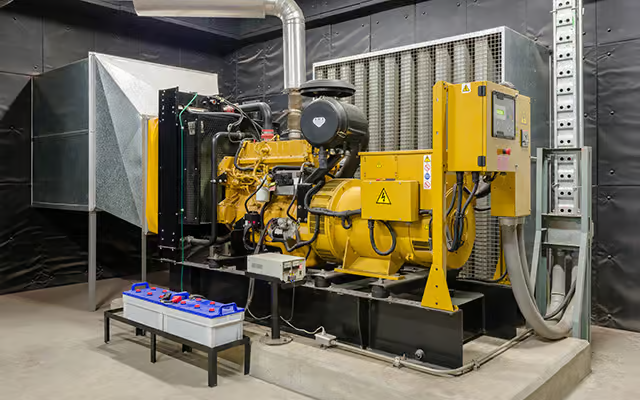
Diesel generators remain common in construction, mining, manufacturing and heavy engineering. They cope well with demanding equipment and can run for long periods when operators service them properly. Pumps, compressors, welding machinery and crushing equipment often place sudden pressure on the electrical supply, and diesel engines usually handle those changes well.
Fuel availability also supports their popularity. Contractors can transport diesel in bulk and store it on remote sites with suitable safety controls. The engine itself tends to last well under regular use, although that durability depends on clean fuel, fresh filters and an effective cooling system.
Noise and exhaust also need attention. An open-frame model may work on an isolated project, but it will cause disturbance near offices, housing or public roads. An acoustic enclosure reduces noise, though the site must still provide enough airflow to prevent overheating.
Dual-Fuel and Bi-Fuel Units
Some sites use generators that can draw from more than one fuel source. Dual-fuel models usually allow the operator to select one fuel or another. A machine may run on petrol during one task and liquefied petroleum gas during another.
Bi-fuel engines use two fuels together; many combine natural gas with diesel by using a small amount of diesel to support ignition while gas supplies part of the energy. This can reduce diesel use where the site has reliable access to gas.
The extra flexibility comes with more components. Regulators, sensors and fuel controls all require inspection. A business should not choose a more complicated system unless it has access to technicians who understand it.
Portable Generators on Active Sites
Portable industrial generators support moving work. Road crews, maintenance teams and temporary contractors often rely on wheeled units.
These units often support tasks involving an aerial work platform. A crew may need power for drills, inspection lamps or electrical tools while working on warehouse lighting, cladding, roofing or mechanical services. The generator should stand outside the platform’s travel path, with cables routed where tyres and outriggers cannot crush them.
The same rule applies to aerial work platform lifts working indoors. Exhaust must face away from entrances, loading areas and enclosed spaces. A convenient position may still create a risk when fumes collect, or cables cross a pedestrian route.
Prime-Power Generators
Prime-power units serve as the main electricity source where the grid remains unavailable or unreliable. Construction camps, mines, remote workshops and temporary processing sites use them throughout the working day.
Their load changes as equipment starts and stops. A pump may run continuously, while crushers, hoists or compressors operate only when needed. The generator must tolerate these variations without unstable voltage or repeated shutdowns.
Larger projects sometimes use several generators together. The control system brings extra units online when demand rises, then removes them when activity falls. This arrangement can save fuel and allows maintenance staff to service one machine without cutting power to the entire site.
Continuous-Power Generators
Continuous-power generators support a steady electrical demand for long periods. They suit locations where the load remains fairly constant, and the site has no practical grid connection.
Remote processing facilities and certain utility operations may rely on this type of equipment. Since the engine receives limited downtime, maintenance planning becomes critical. The business may need a second unit to carry the load during servicing.
The duty rating deserves close attention. A standby generator may look like a continuous generator, but the manufacturers have set different operating limits for each.
Inverter Generators
Inverter generators fill a smaller but useful role. Technicians often use them during inspection and calibration jobs. They remain compact and easy to carry, but they cannot replace a full industrial generator. Most models will not support large motors, heavy welding equipment or substantial three-phase demand.
See also: Why Professional Corporate Transport Matters for Growing Businesses
Making the Right Choice
A load assessment should guide the purchase. Site conditions also change the available output. High temperatures place greater strain on the cooling system. Dust blocks filters and enters electrical components. High altitude reduces engine performance because the air contains less oxygen. Suppliers need this information before recommending a model.
Maintenance support deserves equal weight. A well-specified generator becomes difficult to manage when parts take weeks to arrive, or local technicians cannot repair its control system. Warranty terms to replacement filters, everything should be a part of the buying decision.
Conclusion
Each generator type answers a different operating need. Diesel suits heavy work and long running hours. Natural gas works well where the supply remains dependable. Petrol covers lighter, temporary jobs. Prime and continuous units serve sites that cannot rely on the grid, while standby machines protect critical operations during outages.
The wider equipment setup must shape the final choice. An asphalt mixing plant draws power for different components starting at different points in the production cycle, so the electrical load can rise sharply.
A contractor considering an asphalt mixing plant for sale should obtain the complete electrical specification before selecting a generator. The headline capacity alone will not reveal how the plant behaves during start-up or under full production. The supporting generator must handle those changes without any interruptions.