Inherited Silver? A Practical Guide to What It’s Worth and What to Do Next
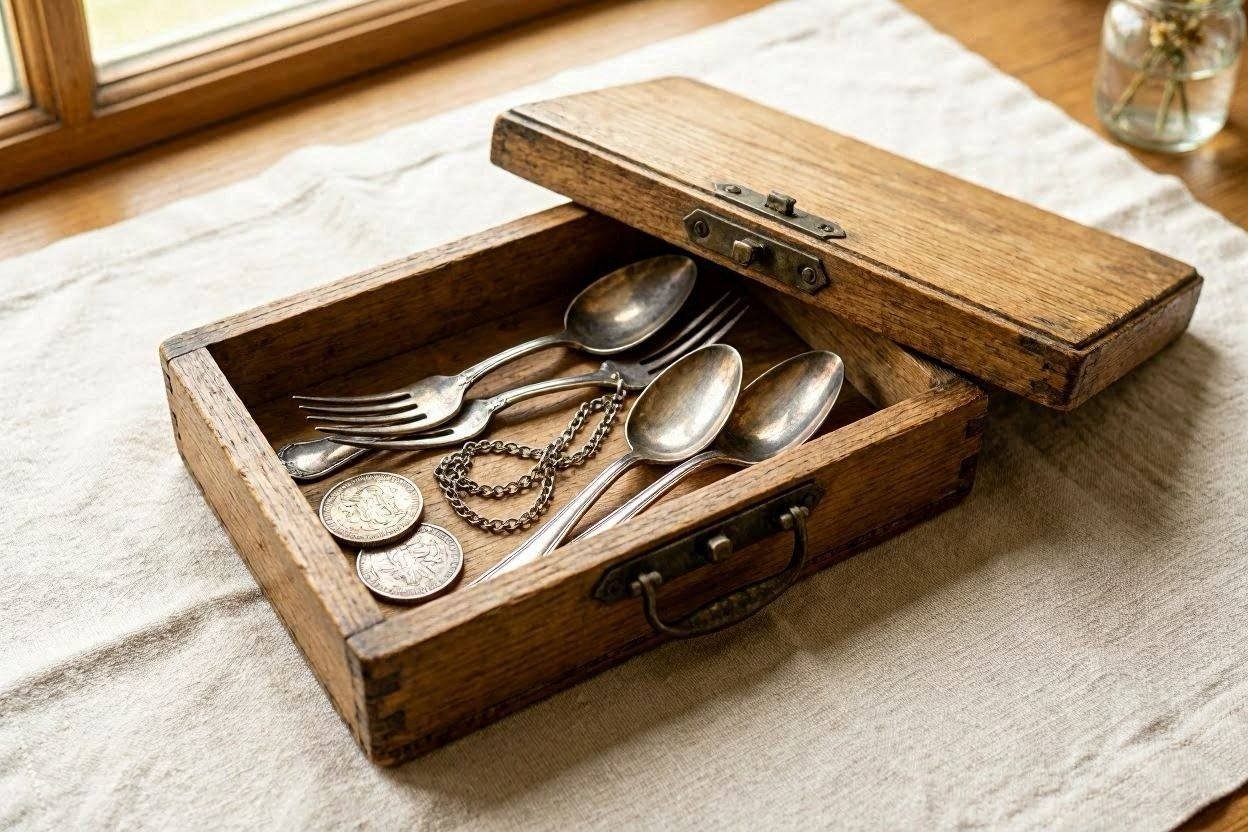
When someone close to you passes away and leaves behind a box of tarnished spoons, a handful of old coins, and a tangle of jewelry, two feelings usually arrive together: the weight of the memory, and a quiet, practical question you feel almost guilty asking, is any of this actually worth something?
It’s a completely normal question, and the honest answer is: maybe. Some inherited silver is worth real money by weight alone. A surprising amount of it isn’t silver at all. The difference between those two outcomes usually comes down to a few details you can learn to read in a single afternoon. This guide walks you through exactly what to do with inherited silver, how to tell what you actually have, how to work out what it’s worth, and how to avoid the two most common mistakes: throwing away something valuable, and selling something valuable for a fraction of its worth.
First, Separate “Solid Silver” From “Silver Plate”
This is the single most important distinction, and it’s where most people overestimate what they’ve inherited. A heavy, gleaming serving tray can feel like a small fortune and be worth almost nothing — because it’s silver plate, a microscopically thin layer of silver bonded over a base metal like copper or nickel. Plate has almost no melt value.
Solid silver, by contrast, is silver all the way through, and it’s priced by weight against the live market.
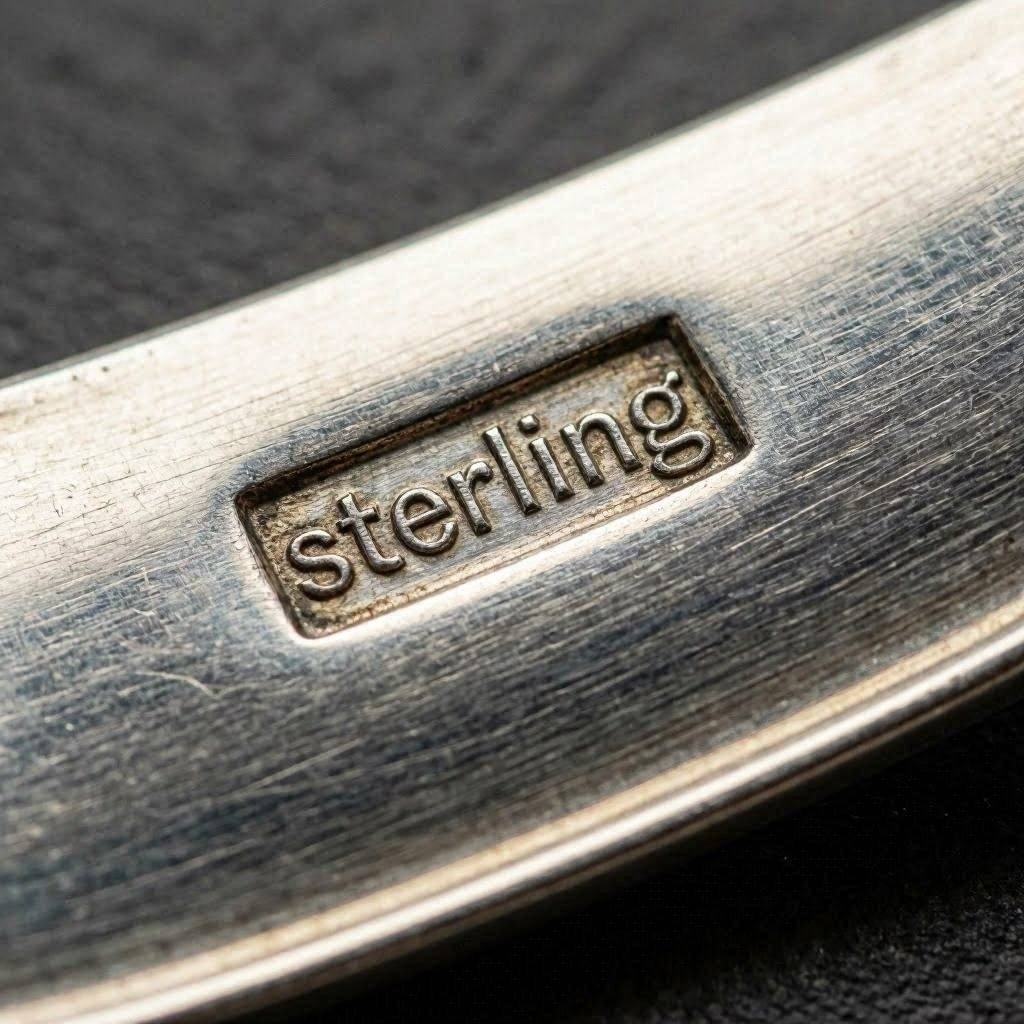
The fastest way to tell them apart is to look for hallmarks — the tiny stamped markings makers use to certify metal content. On flatware and jewelry you’re hoping to find:
- “925,” “.925,” or “Sterling” — 92.5% pure silver. Genuinely valuable.
- “800,” “835,” or “900” — common on European and older continental pieces; still solid silver, just a slightly lower purity.
- “EPNS,” “Silver on Copper,” “A1,” or “Quadruple Plate” — these are plate markings (“EP” stands for electroplated). Beautiful, but not valuable for the metal.
No marking at all isn’t a guarantee either way — some genuine antique and foreign pieces were never stamped — but a clear “EPNS” or “plate” stamp is a reliable sign you’re holding the low-value version.
A Few Quick Tests You Can Do at Home
If the hallmarks are worn, or you want a second opinion before driving anywhere, a couple of harmless tests help.
The magnet test. Silver is not magnetic. If a fridge magnet sticks firmly to your piece, the core is a magnetic base metal, and it’s plated, not solid. A magnet not sticking doesn’t prove it’s silver — plenty of non-magnetic metals exist, but a strong pull is an instant disqualifier.
The ice test. Silver conducts heat better than almost any everyday metal. Set an ice cube on the item; on solid silver it melts noticeably faster than you’d expect. It’s not lab-precise, but it’s a surprisingly good gut check.
The look and smell. Solid silver has no metallic odor and develops a soft grey tarnish, not the flaking or brassy patches you often see where plating has worn through.
None of these replace a professional test, but together they’ll keep you from wasting a trip on a box of plate.
Now Weigh What’s Real — and Do the Simple Math
Once you’ve set aside the genuinely solid pieces, the value question becomes pure arithmetic. Silver is bought and sold by weight — usually the troy ounce (about 31.1 grams) — against a constantly moving market figure called the spot price.
Here’s the part that trips people up: a “sterling” spoon is only 92.5% silver, so you don’t get paid on its full weight. A 100-gram sterling item contains roughly 92.5 grams of actual silver. The formula to go from “a pile of spoons” to “a dollar figure” is:
(total weight) × (purity) × (current silver price per gram) = melt value
You can do this by hand, but because the spot price changes every few minutes during market hours, the easy way is to drop your weight and purity into a scrap silver calculator and let it pull the live price for you. That gives you a realistic melt-value baseline before you ever talk to a buyer — which is exactly the number you want in your head when someone makes you an offer.
What Common Inherited Silver Items Weigh & Contain
“Weighted” or “loaded” items — candlesticks, some knife handles — are hollow sterling shells filled with plaster or pitch for stability. The real silver content is far lower than the total weight suggests, so never value these by total weight.
Don’t Melt the Things Worth More Than Their Metal
One crucial caveat: melt value is the floor, not always the ceiling. Certain inherited items are worth considerably more to a collector than to a refiner, and melting them would be a costly mistake.
Watch out for pre-1965 US coins and other “junk silver” — valued for silver content, but key dates and mint marks can carry a large collector premium. Watch for named patterns of antique flatware — a complete, sought-after sterling pattern can sell to a replacement service for far more than scrap. And watch for signed or designer jewelry — a maker’s mark from a known house can multiply the value.
If a piece looks old, unusual, or carries a recognizable name, get it appraised before you treat it as scrap. The melt figure tells you what the metal is worth; a specialist tells you whether it’s worth more intact.
A Simple Step-by-Step Plan for the Whole Box
1. Sort everything into “marked solid silver,” “marked plate,” and “unsure.”
2. Test the unsure pile with a magnet and a quick hallmark check.
3. Weigh the solid pieces and run them through a melt calculator for a baseline value.
4. Flag anything old, named, or coin-shaped for a second opinion before selling.
5. Shop your offer — get more than one quote, and walk in knowing your melt baseline so you’re negotiating from information, not hope.
Inherited silver rarely makes anyone rich, but a surprising amount of it is worth more than the family assumed — and a little patience with a scale and a magnifying glass is usually the difference between a fair price and a lowball. If you’d like to put a real number to what you’ve inherited, you can get an instant estimate with the free ScrapSilverCalc. Take the afternoon. The spoons aren’t going anywhere.
See also: Techsslassh Com Review: Technology News, Online Guides, and Digital Insights
Common Questions About Inherited Silver
Is silver-plated flatware worth anything?
Very little, unfortunately. Silver plating is a microscopically thin layer bonded over base metal — usually only a few grams of silver across an entire set, and recovering it isn’t economical. Plated pieces marked EPNS, EP, A1, or “Silver Plate” have essentially no melt value. They can still carry decorative or sentimental worth, and complete antique plated sets occasionally sell to collectors, but don’t expect meaningful money by weight.
How can I tell if my inherited silver is real?
Start with the hallmark: look for 925, .925, Sterling, 800, or 900 stamped somewhere discreet — the back of a spoon handle, the inside of a ring band, the underside of a tray. Then confirm with a magnet: real silver is not magnetic, so a magnet that grips firmly means base metal underneath. If hallmarks are worn and you’re still unsure, a jeweler or coin dealer can test a piece in under a minute, usually for free.
Should I clean inherited silver before selling it?
No — and this catches a lot of people out. If you’re selling for melt value, tarnish makes no difference to the price at all, so cleaning is wasted effort. If a piece has any collector or antique value, cleaning can actively reduce what it’s worth: collectors pay for original surfaces and natural patina, and polishing leaves micro-scratches that a specialist will spot immediately. Leave it as you found it and let the buyer decide.
How much is a box of inherited silver flatware worth?
It depends entirely on whether it’s solid or plated. A solid sterling service for eight typically weighs 4 to 6 pounds, which is a meaningful amount of silver at current prices. The identical set in silver plate is worth a small fraction of that. Weigh only the confirmed sterling pieces, then run the total through a melt calculator for a realistic baseline before approaching any buyer.
Where is the best place to sell inherited silver?
For plain, common sterling sold by weight, refiners and established bullion dealers generally pay the highest percentage of melt value. Local coin shops pay slightly less but are convenient and immediate. Pawn shops are usually the lowest offers. For antique patterns, named makers, or older coins, a specialist dealer or auction house is worth the extra step, because those pieces can be worth well above melt. Get at least two quotes wherever you go.
Do I have to pay tax on inherited silver?
Tax treatment varies by country and by your personal circumstances, so this isn’t advice you should take from an article. In general terms, inherited items often receive different treatment than items you bought yourself, and any tax usually relates to gains after you inherit rather than the inheritance itself. If the amount involved is significant, a short conversation with a local tax professional is worth far more than guesswork.
What if some pieces have no hallmark at all?
An absent mark doesn’t automatically mean it’s fake. Some genuine antique pieces predate hallmarking conventions, some imported items were never stamped, and marks on heavily used flatware can simply wear away. Use the magnet and ice tests as a first filter, and if a piece feels substantial and passes both, have it professionally tested before writing it off.
Final Thoughts
Sorting through inherited silver is rarely just an admin task. You’re handling things someone chose, used, and kept — and it’s completely reasonable to want to know what they’re worth without feeling like that diminishes the memory.
The practical part, though, is genuinely simple. Almost everything comes down to three questions: Is it solid silver or plate? What does the solid material weigh? And is any single piece worth more intact than melted down? Answer those three and you’ve done the work.
Take your time with it. Set aside anything old, signed, or coin-shaped for a proper look. And whatever you decide to do with the rest, walk into that conversation already knowing your melt baseline — because the difference between a fair offer and a lowball is almost always just information.