Why Restaurants Are Switching to Mobile Ordering Systems
The way diners interact with restaurants has changed dramatically over the past several years, and mobile ordering has moved from a novelty feature to something customers increasingly expect. For restaurant operators, adopting a mobile ordering system is no longer just about keeping up with trends, it has become a practical response to changing labor dynamics, rising customer expectations, and the ongoing push toward operational efficiency. This article explores why mobile ordering has become such a significant shift in the food service industry.
The Shift in Customer Expectations
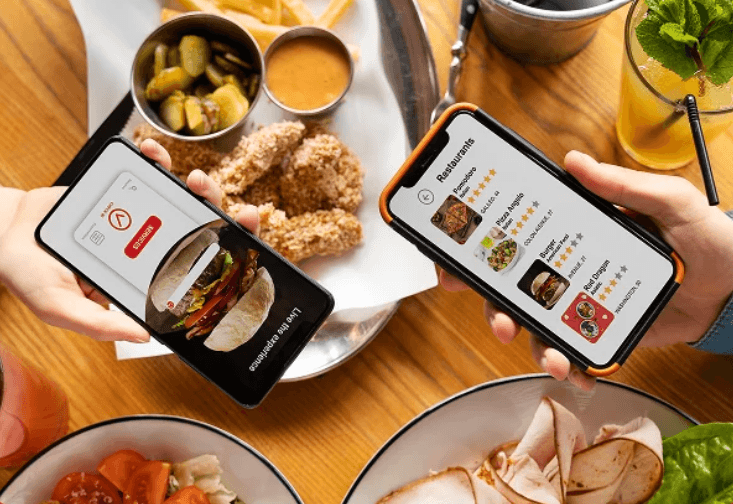
Diners today are accustomed to browsing, ordering, and paying for almost everything through their phones, and food ordering is no exception. Long queues at the counter or waiting for a server to take an order can feel like friction points in an otherwise convenient dining experience, and mobile ordering removes much of that friction by putting the process directly in the customer’s hands.
Speed and Convenience as Competitive Advantages
Restaurants that offer smooth mobile ordering experiences often see faster table turnover and shorter perceived wait times, both of which contribute directly to customer satisfaction. In competitive dining markets, this convenience factor can become a meaningful point of differentiation between establishments offering similar food quality.
Operational Benefits for Restaurant Staff
Beyond the customer-facing benefits, mobile ordering systems can significantly reduce the burden on front-of-house staff, who no longer need to manually take every order at the table or counter. This allows staff to focus more on service quality and hospitality rather than order-taking logistics, which can be particularly valuable during peak hours when every minute of staff time matters.
Reducing Order Errors
Manual order-taking, especially during busy periods, is prone to miscommunication and errors, whether through mishearing a request or simply the pressure of a rushed environment. Mobile ordering systems allow customers to review their selections before submitting, which tends to reduce the frequency of incorrect orders reaching the kitchen.
Integration With Kitchen and Inventory Systems
A well-designed mobile ordering system does more than just take orders, it can also connect directly with kitchen display systems and inventory tracking, creating a more streamlined flow from the moment an order is placed to when it is prepared and served. This kind of integration is where the real efficiency gains tend to materialize, since it eliminates the manual re-entry of information between disconnected systems. Restaurant operators evaluating their options may find it worthwhile to look into a mobile ordering system designed to work seamlessly with existing kitchen workflows.
Considerations Before Implementation
Adopting a mobile ordering system is not simply a matter of installing new software. Restaurants need to think through staff training, how the system fits into existing workflows, and how to handle the transition period without disrupting service. Choosing a system with intuitive design for both customers and staff can significantly ease this adjustment period.
See also: How a Business Attorney Greenville SC Can Help Your Business
Frequently Asked Questions
Does mobile ordering reduce the need for front-of-house staff entirely? Not entirely, staff remain essential for hospitality, food delivery, and handling exceptions, but mobile ordering can shift their focus away from routine order-taking toward higher-value interactions with guests.
Is mobile ordering suitable for all types of restaurants? It tends to work particularly well for quick-service and casual dining formats, though many full-service restaurants have also successfully adapted mobile ordering for functions like pre-ordering or table-side reordering.
How long does it typically take to implement a mobile ordering system? Implementation timelines vary depending on the complexity of the restaurant’s existing systems, but many providers offer relatively quick setup processes designed to minimize disruption to ongoing operations.
Conclusion
Mobile ordering has shifted from an optional convenience to a near-essential tool for restaurants aiming to meet modern customer expectations while improving operational efficiency. For operators considering the switch, understanding both the customer-facing and behind-the-scenes benefits can help clarify why this technology has become such a significant part of the industry’s evolution.