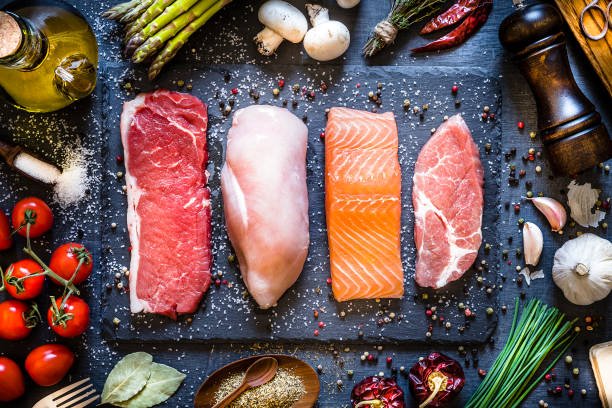
How Fish and Prawns Support a Healthy Lifestyle
Fish and prawns support a healthy lifestyle by supplying high-quality protein, omega-3 fatty acids, and key vitamins and minerals while staying low in calories. A 100 gram (3.5 oz) serving of most fish contains 20-25 grams of protein and 100-200 calories. A 100 gram serving of prawns contains 24 grams of protein and around 99 calories. Both foods rank among the most nutrient-dense animal proteins available.
What Nutrients Do Fish and Prawns Provide?
Fish and prawns provide 6 core nutrients: protein, omega-3 fatty acids, vitamin B12, vitamin D, iodine, and selenium.
- Protein builds and repairs muscle tissue.
- Omega-3 fatty acids (EPA and DHA) support heart and brain function.
- Vitamin B12 supports red blood cell formation.
- Vitamin D supports bone strength and immune function.
- Iodine supports thyroid hormone production.
- Selenium acts as an antioxidant in the body.
Salmon, mackerel, and sardines carry the highest omega-3 content among fish. Prawns carry less omega-3 than oily fish but supply more selenium per serving.
Do Fish and Prawns Help Heart Health?
Yes, fish and prawns help heart health through their fat and mineral content. Oily fish such as salmon and mackerel lower triglyceride levels through their omega-3 content. The American Heart Association recommends 2 servings of fish per week for cardiovascular support. Prawns contain cholesterol at 145 mg per 100 gram serving, but their low saturated fat content limits the impact on blood cholesterol levels for most people.
https://www.somanievergreen.com
How Do Fish and Prawns Support Muscle Growth?
Fish and prawns support muscle growth through their complete amino acid profile. A 100 gram serving of cod supplies 20 grams of protein. A 100 gram serving of prawns supplies 24 grams of protein. Both foods contain all 9 essential amino acids the body needs for muscle repair. Athletes and older adults benefit from this protein density because muscle maintenance requires 1.2 to 2.0 grams of protein per kilogram of body weight daily.
Are Fish and Prawns Good for Weight Management?
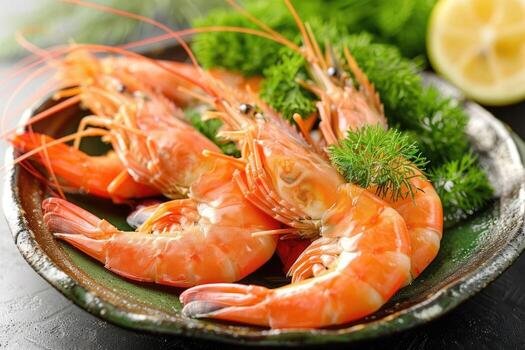
Yes, fish and prawns are good for weight management due to their high protein-to-calorie ratio. White fish such as cod and haddock contain under 100 calories per 100 gram serving. Prawns contain 99 calories per 100 gram serving with almost no carbohydrates. Protein increases satiety more than fat or carbohydrates, which reduces overall calorie intake across the day.
See also: How a Business Attorney Greenville SC Can Help Your Business
What Vitamins Do Fish and Prawns Contain?
Fish and prawns contain 4 major vitamins: B12, D, B6, and niacin.
- Vitamin B12: supports nerve function and DNA production.
- Vitamin D: found mainly in fatty fish like salmon and tuna.
- Vitamin B6: supports metabolism and immune response.
- Niacin (B3): supports energy production at the cellular level.
A 100 gram serving of salmon supplies over 100% of the daily vitamin B12 requirement. Prawns supply smaller amounts of B12 but contribute meaningful amounts of vitamin B6 and niacin.
Do Fish and Prawns Support Brain Function?
Yes, fish and prawns support brain function through their omega-3 and mineral content. DHA, an omega-3 fatty acid found in fatty fish, makes up 40% of the polyunsaturated fat in the brain. Regular fish consumption links to slower cognitive decline in adults over 65. Prawns supply choline and zinc, 2 minerals that support memory and nerve signaling.
How Often Should People Eat Fish and Prawns?
Health authorities recommend 2 to 3 servings of fish or shellfish per week, with 1 serving equal to 100-140 grams. Pregnant women should limit high-mercury fish such as swordfish and shark, and instead choose low-mercury options such as salmon, shrimp, and prawns. Prawns and most farmed fish carry low mercury levels, which makes them safe for frequent consumption within the recommended range.
What Are the Best Ways to Cook Fish and Prawns for Health?
The best cooking methods for fish and prawns are grilling, steaming, and baking. These methods preserve omega-3 content better than deep frying. Frying fish or prawns in oil at high heat degrades a portion of the omega-3 fatty acids and adds unnecessary calories. Steamed prawns retain their full protein and mineral content since no fat or coating is added during cooking.
Final Notes
Fish and prawns offer 2 of the most efficient sources of lean protein, omega-3 fatty acids, and micronutrients in the average diet. Regular consumption within recommended limits supports heart health, muscle maintenance, brain function, and weight management.