How Can You Tell If an Auto Body Shop Has Properly Repaired Hidden Collision Damage?
Not all collision damage is easy to see. A car may look fine from the outside while important components underneath or behind damaged panels still need attention. Hidden collision damage can affect how the vehicle drives, how safely it protects passengers, and how well repaired parts work together.
When you take your vehicle to an auto body shop in Avenel, it is important to understand how technicians identify and repair damage that cannot be seen easily. Proper inspection, accurate measurements, quality replacement parts, and thorough testing can all help ensure the vehicle is properly restored.
What Is Hidden Collision Damage?
Hidden collision damage refers to problems that are not immediately visible after an accident. Some damage may be located behind the bumper, under body panels, around the frame, or near mechanical and electronic components.
For example, a collision may cause damage to:
- Frame or structural components
- Bumper supports
- Suspension components
- Wheel alignment components
- Radiators and cooling parts
- Sensors
- Wiring
- Mounting brackets
- Exhaust components
- Airbag-related components
The severity of hidden damage depends on the type of accident, the speed of impact, and the area of the vehicle that was hit.
Why Is Hidden Damage Difficult to Identify?
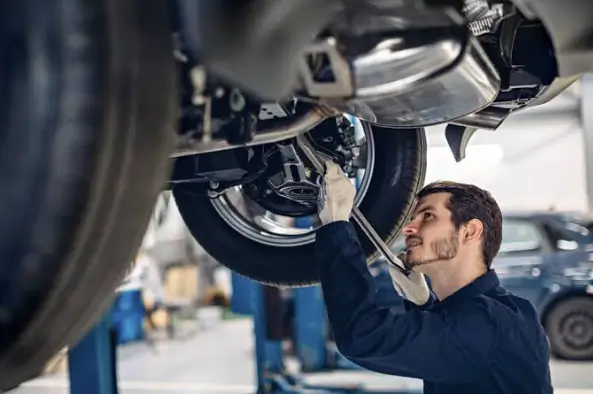
Modern vehicles contain many components packed behind exterior panels. A bumper may hide sensors, brackets, wiring, and other parts. Similarly, a damaged fender or door can conceal problems with mounting points or surrounding components.
Some problems may not become obvious until a technician removes damaged parts.
That is why a thorough inspection should be more than simply looking at the outside of the vehicle.
Look for a Detailed Repair Estimate
One way to understand how the repair is being handled is to review the repair estimate.
A detailed estimate may identify:
- Damaged components
- Parts that need replacement
- Parts that can be repaired
- Labor required
- Paint and refinishing work
- Alignment or measurement requirements
- Additional repairs discovered during disassembly
The estimate may change if hidden damage is discovered. This is normal because the original estimate is often based on what can be seen before the vehicle is taken apart.
Ask the shop to explain any significant changes to the repair plan.
Ask Whether the Vehicle Was Disassembled for Inspection
Some hidden damage cannot be properly evaluated until damaged exterior parts are removed.
For example, if the front bumper is damaged, technicians may need to remove it to inspect components behind it. They may discover damaged brackets, supports, sensors, or other parts that were not visible initially.
Ask whether the shop performed additional inspection after disassembly.
A repair process that accounts for newly discovered damage is important because simply repairing the visible exterior may leave underlying problems unresolved.
Check Whether Structural Damage Was Measured
A serious collision can affect structural areas of a vehicle. Depending on the type of damage, technicians may use specialized measuring equipment and manufacturer repair information to determine whether structural components are positioned correctly.
Ask whether structural measurements were needed for your vehicle and whether they were completed as part of the repair.
Proper measurements can help technicians determine whether the vehicle’s structure has been restored to the required specifications.
Pay Attention to How the Vehicle Drives
After repairs are completed, take the vehicle for a careful drive when appropriate.
Watch for unusual signs such as:
- Pulling to one side
- Steering wheel sitting off-center
- Unusual vibrations
- Strange noises
- Uneven tire wear
- Difficulty controlling the vehicle
- Warning lights
- Changes in braking behavior
These symptoms do not automatically mean that collision repairs were performed incorrectly. However, they should be checked by a qualified technician.
If something feels different from before the accident, tell the repair shop.
Check Panel Alignment
Exterior appearance can also provide clues about the quality of the repair.
Look at the gaps between:
- Doors and fenders
- Hood and fenders
- Trunk and quarter panels
- Bumper and surrounding panels
- Headlights and body panels
Panel gaps should generally look consistent and even. A panel that sits noticeably higher, lower, or farther away from an adjacent panel may need further inspection.
Small variations can occur depending on the vehicle, so visual inspection should be considered along with professional measurements and repair procedures.
See also: Understanding the Process of Establishing an International Business
Look at the Paint and Finish
A properly repaired vehicle should also have a consistent exterior finish.
Check for:
- Uneven paint texture
- Visible color differences
- Overspray
- Runs or drips
- Rough surfaces
- Poor blending
- Loose trim
- Missing clips or moldings
Paint problems do not necessarily indicate hidden structural damage, but they can show that additional attention may be needed before the repair is considered complete.
Check Warning Lights and Electronic Features
Modern vehicles often use cameras, radar, sensors, and other electronic systems. A collision can affect these components even when they appear undamaged.
After repairs, check whether features such as:
- Parking sensors
- Backup cameras
- Blind-spot monitoring
- Lane-related warning systems
- Headlights
- Turn signals
- Airbag warning systems
are operating as expected.
Some vehicles may require calibration after collision repairs. Ask the repair shop whether any affected systems needed inspection or calibration.
Ask for Documentation of the Completed Repairs
Documentation can help you understand what was actually repaired.
Ask for a final invoice or repair documentation showing the work completed. Depending on the vehicle and repair, this may include information about parts, labor, alignment, structural measurements, or system calibration.
Keeping this paperwork is also useful if you need future repairs or decide to sell the vehicle.
Get Questions Answered Before Picking Up the Vehicle
Before accepting the completed vehicle, ask the shop a few straightforward questions:
- Was any hidden damage discovered?
- Were additional repairs necessary?
- Were structural components affected?
- Were alignment measurements performed?
- Were damaged sensors inspected?
- Did any electronic systems require calibration?
- Were replacement parts used?
- Is there a warranty on the repair?
- Is there anything I should monitor after the repair?
A reputable repair facility should be willing to explain the work in understandable terms.
Consider a Follow-Up Inspection
If the collision was significant or you remain concerned about the repairs, an additional inspection may provide more information. Another qualified technician can inspect the vehicle for signs of unresolved damage.
This can be especially useful if you notice unusual driving behavior, warning lights, noises, or alignment problems after the repair.
Why Choosing an Experienced Repair Shop Matters
Collision repair involves more than making damaged panels look new. Technicians need to understand how different vehicle components work together and how collision damage can affect areas that are not immediately visible.
An experienced auto body shop in Avenel can inspect the vehicle, identify additional damage, explain the repair plan, and check the vehicle after the work is completed.
About Avenel Auto Body
Avenel Auto Body focuses on collision-related vehicle repairs and understands that accident damage may extend beyond what is visible on the outside. Careful inspection, proper repair procedures, clear communication, and attention to the finished vehicle are important parts of the collision repair process.
If your vehicle has been involved in an accident, choosing an experienced auto body shop in Avenel and asking questions about hidden damage can help you better understand the repairs your vehicle needs and the work completed.