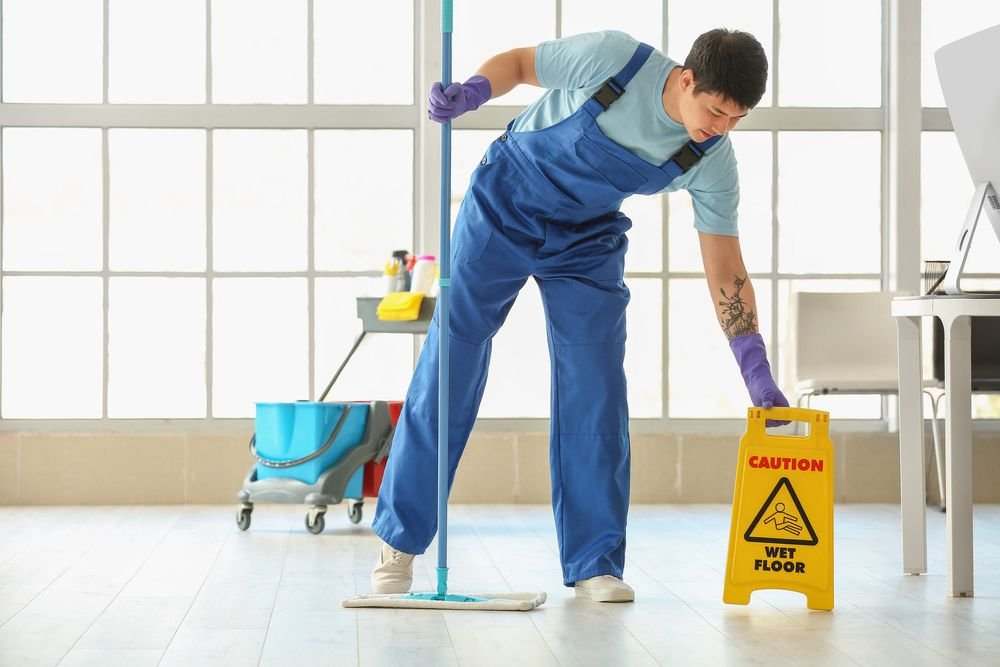
How Often Should You Schedule Janitorial Services in NYC?
Most businesses need janitorial services in NYC daily or several times a week, but the right schedule depends on the type of facility, number of employees, foot traffic, and sanitation needs. A small office with limited traffic may need cleaning two or three times a week, while restaurants, medical facilities, retail stores, schools, and busy commercial buildings may require daily or even multiple cleaning visits.
There is no single schedule that works for every New York City business. The goal is to clean high-use areas often enough to control dirt, waste, odors, and surface contamination while scheduling less frequent tasks based on actual building needs.
A well-planned janitorial cleaning schedule can keep restrooms sanitary, floors maintained, common areas presentable, and workspaces comfortable without paying for unnecessary services. Understanding what affects cleaning frequency can help business owners and facility managers create a practical maintenance plan.
How Often Should You Schedule Janitorial Services in NYC?
For many commercial properties, janitorial services in NYC are scheduled between two and five times per week. Daily service is often suitable for buildings with heavy foot traffic, large numbers of employees, frequent visitors, or strict cleanliness requirements.
A low-traffic professional office may only require service a few times per week. A busy retail store, restaurant, gym, or commercial building may need cleaning every day.
The schedule should also consider which areas need attention most often. Restrooms, entrances, kitchens, break rooms, elevators, and other shared spaces generally require more frequent cleaning than private offices or storage areas.
Some businesses use a combination schedule. High-use areas receive daily attention, while tasks such as detailed dusting, carpet cleaning, interior glass cleaning, and floor maintenance are performed weekly or periodically.
This approach allows businesses to maintain consistent cleanliness without treating every area of the building the same way.
What Determines Commercial Cleaning Frequency?
Several factors determine how frequently a business needs janitorial cleaning services. Looking at these factors before creating a schedule helps prevent both under-cleaning and unnecessary service.
Building Size and Layout
The size of a facility affects how much cleaning is required. A small office with one restroom and a limited number of work areas will have different needs from a multi-floor commercial building.
Large facilities may have several restrooms, kitchens, conference rooms, entrances, elevators, hallways, and common areas. These spaces add to the total cleaning workload.
The layout also matters. A building with many shared spaces generally requires more frequent cleaning than a facility where employees work mostly in private offices.
Number of Employees and Visitors
The more people using a facility, the more frequently it usually needs cleaning.
Employees and visitors bring outdoor dirt into the building, use restrooms, touch shared surfaces, and generate waste. A workplace with hundreds of employees can therefore require daily cleaning even when individual offices appear relatively clean.
Businesses should pay particular attention to areas used by large numbers of people. Restrooms, reception areas, kitchens, conference rooms, elevators, and entrances can quickly become dirty when they are used throughout the day.
Foot Traffic
Foot traffic is another major factor.
A quiet office located on an upper floor may collect less dirt than a busy retail location that receives hundreds of customers. Entrances are especially affected because outdoor dirt, dust, moisture, and debris can easily be tracked inside.
During rainy or snowy weather, businesses may also need more frequent floor maintenance because moisture and debris are brought indoors from NYC streets and sidewalks.
Type of Business
Different businesses have different cleaning requirements.
Restaurants deal with food particles, grease, spills, and high customer traffic. Healthcare facilities have additional sanitation considerations. Retail stores need clean floors, displays, restrooms, and customer areas. Offices generally focus on workspaces, common areas, restrooms, kitchens, and high-touch surfaces.
For this reason, commercial janitorial services should be customized according to the type of property rather than based only on its square footage.
How Often Should an NYC Office Be Cleaned?
Most offices benefit from cleaning two to five times per week, while busy workplaces may require daily service.
Routine office cleaning can include vacuuming, mopping, dusting, trash removal, restroom cleaning, kitchen cleaning, and wiping frequently touched surfaces.
Shared spaces generally require more attention than individual workstations. Conference rooms, kitchens, reception areas, elevators, and restrooms can experience heavy use throughout the day.
An office that receives clients or visitors may also need more frequent cleaning in customer-facing areas. First impressions matter in professional environments, and dirty floors, overflowing trash, fingerprints, or poorly maintained restrooms can affect how visitors view the workplace.
The best schedule depends on actual use. A small office with high visitor traffic may need more cleaning than a larger office with fewer people.
How Often Should High-Traffic Businesses Be Cleaned?
High-traffic businesses often need daily janitorial service because dirt, waste, and surface buildup can accumulate quickly.
Retail stores, restaurants, gyms, schools, entertainment facilities, and large commercial buildings can experience constant activity throughout the day. In these environments, waiting several days between cleaning visits may allow cleaning issues to become more noticeable.
Some high-use areas may also need daytime checks in addition to regular evening cleaning. Restrooms, entrances, and high-touch areas may require attention while the facility is still operating.
Cleaning can be scheduled before opening, after closing, or during quieter periods depending on the business. The goal is to maintain the facility without disrupting employees, customers, or daily operations.
How Often Should Commercial Restrooms Be Cleaned?
Commercial restrooms should generally be cleaned every day. High-traffic restrooms may require inspection and servicing several times throughout the day.
Regular restroom cleaning usually includes toilets, urinals, sinks, counters, mirrors, floors, waste bins, and frequently touched surfaces. Soap, toilet paper, paper towels, and other supplies should also be checked and replenished.
Restrooms can quickly develop odors, visible dirt, overflowing waste, and empty dispensers when they are not maintained regularly.
For businesses with heavy restroom use, cleaning should be treated as an ongoing maintenance task rather than something that only happens at the end of the day.
How Often Should Commercial Floors Be Cleaned?
Floor cleaning frequency depends on traffic, flooring type, weather, and the type of business.
Entrances and other high-traffic areas may need daily sweeping and mopping. Carpeted areas may require regular vacuuming, while deeper carpet cleaning can be scheduled periodically based on traffic and soil levels.
Hard floors may need daily dust removal in busy areas, along with routine mopping. Spills should be addressed as soon as possible to prevent staining and reduce potential slip hazards.
Winter weather can create additional floor-cleaning needs. Snow, salt, mud, and moisture can easily be tracked into NYC commercial buildings.
Routine cleaning should therefore be combined with periodic deep floor care to keep surfaces in good condition.
What Should a Regular Janitorial Cleaning Schedule Include?
A professional cleaning schedule should separate routine tasks from periodic maintenance. This makes it easier to maintain the property consistently and identify areas that need additional attention.
Daily or frequent cleaning may include:
- Restroom cleaning and supply restocking
- Trash and recycling removal
- Vacuuming and mopping
- Kitchen and break room cleaning
- Entrance and common-area cleaning
- High-touch surface cleaning
- Spot cleaning spills and visible dirt
Weekly or periodic tasks may include detailed dusting, carpet care, interior glass cleaning, floor treatment, upholstery cleaning, and cleaning less frequently used areas.
Not every task needs to be completed during every visit. A customized schedule allows cleaning teams to focus daily effort on areas that need it most while maintaining less frequently used areas on a rotating basis.
Should Janitorial Cleaning Happen Every Day?
Daily cleaning is appropriate for many commercial properties, but it is not necessary for every business.
A small office with low traffic may remain clean with service several times per week. A busy office, restaurant, retail store, or large commercial building may benefit from daily cleaning.
Daily service can help prevent dirt and waste from accumulating between visits. It also allows restrooms, kitchens, entrances, and other shared areas to receive consistent attention.
Businesses should look at the condition of their property between cleaning visits. If trash regularly overflows, restrooms become difficult to maintain, or floors look dirty before the next scheduled visit, the current frequency may not be sufficient.
See also: Understanding the Process of Establishing an International Business
When Should You Schedule Deep Cleaning?
Deep cleaning should be scheduled separately from routine janitorial maintenance.
Regular cleaning handles everyday dirt, waste, dust, and surface maintenance. Deep cleaning addresses areas that need more detailed attention.
Depending on the facility, deep-cleaning services may include:
- Carpet and upholstery cleaning
- Detailed floor care
- Interior glass cleaning
- High dusting
- Cleaning hard-to-reach areas
- Detailed restroom maintenance
- Cleaning behind or underneath movable equipment
The right frequency depends on the property. Some businesses may schedule these services monthly, quarterly, seasonally, or when specific areas show signs of buildup.
A deep-cleaning schedule should also consider manufacturer recommendations for flooring, carpets, and other materials.
What Industry Standards Should NYC Businesses Consider?
Cleaning frequency should be based on more than appearance. Businesses should also consider workplace sanitation and recognized cleaning practices.
The Centers for Disease Control and Prevention recommends regular cleaning of frequently touched surfaces in community settings and notes that cleaning frequency may need to increase when surfaces are visibly dirty or when there is a higher risk of contamination.
The Occupational Safety and Health Administration also establishes workplace sanitation requirements covering areas such as restroom facilities and sanitary working conditions.
Some industries have additional requirements. Healthcare, food service, childcare, and other specialized environments may require specific cleaning procedures, disinfectants, documentation, or employee training.
Businesses should make sure their cleaning provider understands the requirements that apply to their particular facility.
How Can You Tell If Your Cleaning Schedule Is Not Enough?
A cleaning schedule may need to be changed when the building consistently becomes dirty before the next scheduled visit.
Common signs include overflowing trash cans, dirty restrooms, empty soap or paper-towel dispensers, visible dust, unpleasant odors, dirty floors, fingerprints on doors and glass, and complaints from employees or customers.
Another sign is when cleaning teams cannot complete all required tasks during each visit.
In some cases, the solution may be additional cleaning visits. In others, the business may need to adjust the scope of each visit and give more time to high-use areas.
Facility managers should review the building regularly rather than waiting for cleanliness problems to become serious.
How to Create the Right Cleaning Schedule for Your Business
Start by identifying the areas that need attention every day. These commonly include restrooms, entrances, kitchens, waste collection points, and high-traffic common areas.
Next, separate weekly and periodic tasks. Detailed dusting, carpet maintenance, interior glass cleaning, and specialized floor care may not need to happen every day.
Consider the business’s operating hours as well. Some properties work better with evening cleaning after employees leave. Others may need early morning service or daytime cleaning for restrooms and high-traffic areas.
Finally, review the results regularly. If the facility remains clean until the next visit, the schedule may be working. If dirt, waste, or odors return quickly, the frequency or service scope should be reconsidered.
A cleaning plan should also change when the business changes. Hiring more employees, moving to a larger facility, increasing customer traffic, or changing operating hours can all affect cleaning requirements.
Keep Your NYC Facility Clean With the Right Service Schedule
The right janitorial services in NYC schedule depends on how your commercial property is used. A low-traffic office may need cleaning a few times per week, while a busy commercial facility may require daily or more frequent service.
Building size, employee numbers, visitors, foot traffic, business type, restroom use, flooring, waste volume, and sanitation needs should all be considered when creating a cleaning plan.
American Janitorial Services NYC provides janitorial services in NYC for commercial properties with cleaning needs that vary by facility. A customized program can help businesses maintain restrooms, offices, common areas, floors, kitchens, and other frequently used spaces.
If your current cleaning schedule is not keeping up with your property’s needs, reviewing the frequency and scope of your janitorial services in NYC can help create a cleaner and more consistently maintained workplace.