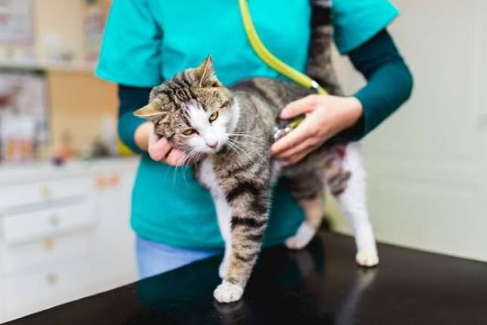
How Veterinary Clinics Create Stress Free Environments For Pets
You know the look. Your dog starts pacing when the carrier comes out, or your cat disappears the second you reach for the car keys. By the time you arrive, your pet is already tense, and you are too. A visit to a veterinarian in Houston, TX is supposed to help, yet the whole experience can feel loaded before the exam even begins.
That stress is real, and it affects more than behavior in the waiting room. Fear can raise heart rate, change breathing, make handling harder, and even skew exam findings. Pets may resist care, owners may delay appointments, and small health issues can turn into larger ones because everyone wants to avoid a difficult trip back. The good news is that many clinics now design care around fear reduction, and how veterinary clinics create stress free environments for pets often comes down to thoughtful details that work together.
A calmer clinic does not happen by accident. It starts with quieter spaces, gentler handling, better scheduling, and staff trained to read body language before fear turns into panic. When a practice takes that approach, pets cope better, owners feel less helpless, and the visit becomes more useful for everyone involved.
Stress free veterinary care starts with the environment
Pets do not walk into a clinic with context. They notice noise, smells, slippery floors, unfamiliar animals, restraint, and the memory of past discomfort. A barking dog across the room may unsettle another dog in seconds. A cat in a carrier placed near that same dog may stay frozen, wide eyed, and silent, which many people mistake for calm. It is not calm. It is fear.
That is why many clinics separate species when possible, reduce visual triggers, and limit loud sounds. Some practices use cat only waiting areas or bring clients straight into an exam room. Others place non slip mats on tables and floors so pets do not feel unstable during handling. These changes seem small until you picture the alternative. A pet that feels cornered is harder to examine, harder to treat, and more likely to remember the visit as something to dread.
Research and teaching hospitals have shared practical ways to reduce this fear. Cornell outlines ways to make veterinary visits less stressful for dogs, including carrier comfort, reward based handling, and positive practice before the appointment itself. Ohio State explains how clinics can support feline friendly handling and lower stress for cats by respecting hiding behavior, scent sensitivity, and pace. The University of Florida also offers a strong guide to building a low stress pet friendly practice, with clear standards for layout, handling, and staff training.
Low stress pet care depends on handling, timing, and trust
A calm space helps, but it is only one piece. The way staff approach your pet matters just as much. Fast movements, direct staring, forced restraint, and rushing through fear signals can turn mild anxiety into a full struggle. Once that happens, a simple nail trim or ear check can become an exhausting event for everyone in the room.
Clinics focused on low stress pet care often use gentler handling first and restraint only when truly needed. They may let a dog stay on the floor instead of lifting them onto a table. They may examine a cat partly inside the carrier or under a towel if that feels safer. They may use treats, pause between steps, and break a procedure into shorter pieces. That is not indulgent care. It is efficient care because a pet that feels safer is easier to assess accurately.
Scheduling also plays a quiet but powerful role. A nervous pet may do better with the first appointment of the day, when the clinic is quieter and there is less chance of a packed lobby. Some pets need pre visit medication, especially if past experiences have built up into panic. Owners sometimes worry that using medication means failure. It does not. It can prevent trauma, protect staff, and allow needed care to happen without force.
See also: Emerging Technology Trends That Are Shaping Everyday Life
Pet friendly veterinary clinics reduce problems before they escalate
Fear has a cost. Owners postpone exams because they cannot bear another chaotic visit. Pets arrive only when a condition is advanced, and treatment becomes more expensive, more invasive, and harder to manage. That cycle is common. You may tell yourself your pet hates the vet, so you wait a little longer. Then a dental issue becomes severe pain, or a skin flare becomes an infection that takes weeks to settle.
Pet friendly veterinary clinics interrupt that pattern. They reduce the chance that routine care becomes a battle, and routine care is where prevention lives. Vaccines, bloodwork, weight checks, pain assessment, behavior conversations, and dental screening all work better when your pet can be handled without overwhelming fear.
| Clinic Approach | Common Experience for Pets | Likely Effect on Care |
|---|---|---|
| Busy lobby, mixed species, loud noise | Heightened alertness, shaking, hiding, barking, vocalizing | Harder exam, delayed diagnostics, stronger negative memory |
| Separate spaces, direct rooming, quieter flow | Lower arousal, easier recovery after arrival | Smoother exam, more accurate observations, less resistance |
| Firm restraint from the start | Escalation from anxiety to active fear | Greater safety risk, possible need to stop or sedate |
| Gentle handling, treats, pauses, non slip surfaces | More cooperation, fewer panic responses | Better tolerance for exams and routine procedures |
| No pre visit plan for known anxiety | Fear begins at home and peaks in clinic | Missed care, owner avoidance, difficult follow up |
| Pre visit training and medication when needed | Lower stress before arrival and during handling | More successful visits and better long term compliance |
Veterinary clinic steps you can take right away
Ask how the clinic handles fearful pets. You are not being difficult. Ask if they use separate waiting areas, direct rooming, fear reduction handling, or pre visit medication protocols. Their answer tells you a lot about the kind of experience your pet is likely to have.
Practice before the appointment. Leave the carrier out, feed meals near it, and reward your pet for going inside on their own. For dogs, practice short car rides that do not end at the clinic. Handle paws, ears, and mouth gently at home with treats so touch does not always predict stress.
Share your pet’s triggers early. Tell the clinic if your cat shuts down around dogs, if your dog reacts to strangers reaching over their head, or if past restraint made things worse. That information helps staff adjust the room, the pace, and the plan before the visit starts going sideways.
Calmer vet visits help pets get the care they need
A better visit is not about pampering. It is about making care possible without piling fear on top of illness or pain. When clinics shape the space, train the staff, and slow down enough to work with your pet instead of against them, the whole experience changes. Your pet feels safer, you feel less dread, and routine care becomes something you can actually keep up with.
If you are choosing a veterinary clinic, look for one that treats emotional safety as part of medical care. That single shift can make a hard visit manageable and a manageable visit routine.