4 Orthodontic Options Commonly Recommended By General Dentists
You may have noticed your teeth shifting, your bite feeling off, or a child’s teeth coming in crowded and uneven. That usually starts as a small concern, then turns into a bigger one when you picture the cost, the time, and the look of treatment. A lot of people put it off for that reason. They do not want to choose the wrong thing, and they do not want to commit to months or years of something they do not fully understand. That is why many families turn to compassionate dentists in Rowlett TX for guidance they can trust.
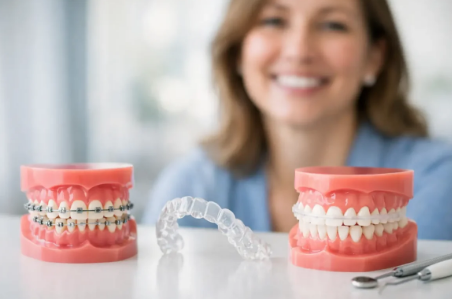
The good news is that there is no single path for everyone. General dentists often spot alignment problems early and may recommend a few different treatments depending on age, bite issues, crowding, and lifestyle. Some cases stay with a general dentist, and others need an orthodontist for more advanced care. If you are trying to sort through orthodontic treatment options, the main choices usually come down to traditional braces, clear aligners, ceramic braces, and retainers or limited interceptive appliances for minor correction or early guidance.
General dentists often recommend orthodontic care when small issues start affecting daily life
Misaligned teeth are not only about appearance. Crowding can make brushing and flossing harder. A poor bite can lead to uneven wear, jaw strain, or chipped teeth. Children may have trouble chewing comfortably, and adults sometimes realize their bite has changed only after dental work keeps breaking in the same area.
That is why many dentists bring up alignment before a patient asks. According to MedlinePlus information on orthodontia, orthodontic treatment is used to correct teeth and jaws that are positioned improperly. That can mean a cosmetic concern, but it can also mean function, comfort, and long term oral health.
Sometimes the recommendation feels frustrating because the problem did not seem urgent. You came in for a cleaning and left thinking about braces. That reaction is common. Still, early action is often simpler than waiting until teeth shift more or the bite becomes harder to correct.
Traditional braces remain one of the most reliable orthodontic options
Metal braces are still one of the most common recommendations because they work well for mild, moderate, and complex cases. They use brackets and wires to move teeth in a controlled way, and they do not depend on you remembering to put them in each morning or after meals.
If your teeth are rotated, severely crowded, or your bite needs significant correction, braces may be the most predictable choice. They are often recommended for teens, but adults use them too. The tradeoff is visibility and a little more effort with cleaning. Food can get trapped, and sore spots are common after adjustments.
For many people, the appeal is simple. Braces stay on, they keep working, and they can handle problems that removable systems may not fix as well.
Clear aligners appeal to adults and teens who want a less visible treatment
Clear aligners have changed the conversation around teeth straightening options. These trays are custom made to move teeth gradually, and they can be removed for meals and brushing. That makes them attractive to adults with work meetings, photos, or social concerns, and to teens who want less noticeable treatment.
They are not a shortcut, though. Success depends on wearing them as directed, often 20 to 22 hours a day. If they stay in the case more than they stay in your mouth, treatment slows down or stops working. The FDA also explains key safety points about clear dental aligners, including the value of professional oversight during treatment.
That oversight matters because what looks like a simple gap on the surface may involve bite changes underneath. Mail order or unsupervised aligners can sound cheaper at first, but if your bite worsens or teeth move unpredictably, fixing that later can cost more than doing it correctly from the start.
Ceramic braces offer a less visible version of fixed orthodontic treatment
Ceramic braces work much like metal braces, but the brackets are tooth colored or clear. Patients who want the strength of braces without the full metallic look often ask about them. General dentists may suggest them for older teens and adults who want a more subtle appearance but still need fixed treatment.
They do have downsides. Ceramic brackets can be more fragile, and they may stain if care slips. They also tend to cost more than metal braces. Still, for someone who needs steady correction and feels self conscious about visible hardware, they can be a solid middle ground.
Retainers and early interceptive appliances help guide minor movement and growing smiles
Not every recommendation involves full braces or aligners. Some children benefit from space maintainers, expanders, or other early appliances that guide jaw growth and create room for incoming teeth. Adults and teens with very minor relapse may only need limited movement followed by a retainer plan.
These tools are often overlooked because they sound less dramatic, but they can prevent larger problems later. In younger patients, timing matters. A dentist may recommend an orthodontic evaluation when adult teeth start coming in crowded, when jaws do not line up well, or when habits like thumb sucking have affected development. This MedlinePlus overview of tooth formation and eruption concerns helps explain why the timing of tooth development can affect alignment decisions.
A side by side look at 4 common orthodontic options
| Option | Best For | Main Benefit | Main Drawback |
| Metal braces | Moderate to complex crowding and bite issues | Very effective and always working | Most visible, harder to clean around |
| Clear aligners | Mild to moderate alignment issues, appearance focused patients | Removable and less noticeable | Requires strong daily compliance |
| Ceramic braces | Patients needing fixed treatment with a subtler look | Less visible than metal braces | Higher cost and more fragile brackets |
| Retainers or early appliances | Minor relapse, growing children, early intervention cases | Can prevent bigger problems later | Not enough for major correction alone |
Practical next steps make the decision feel less overwhelming
Get a bite and alignment evaluation. Ask whether your case is cosmetic, functional, or both. That answer shapes everything. A small gap is treated differently than a crossbite or severe crowding.
Ask what depends on your habits. Clear aligners require daily discipline. Fixed braces require careful cleaning and food changes. The right choice is the one you can realistically follow.
Compare the full treatment plan, not only the price. Ask how long treatment may take, what follow up visits look like, whether retainers are included, and if your case should stay with a general dentist or be referred to an orthodontist. That gives you a real picture of value.
The right orthodontic plan should fit your teeth, your bite, and your life
If you have been putting this off, you are not alone. Most people hesitate because they are trying to avoid a mistake, not because they do not care. The right general dentist and orthodontist approach is not about choosing the fanciest option. It is about choosing the one that actually fits your needs and will give you a stable result.
If a dentist has recommended orthodontic care, take the next step and schedule a focused consultation. A clear plan usually brings more relief than guesswork ever does.