Photovoltaic Diodes: Engineering Guide to Solar PV Array Protection
Photovoltaic diodes, particularly bypass diodes, protect solar PV arrays from damage caused by partial shading, cell mismatch, and reverse current flow, making them a critical component for long-term system reliability rather than an optional design detail. Without properly specified diode protection, a single shaded or underperforming panel section can create hotspots capable of damaging cells and reducing the operational lifespan of an entire solar array.
This engineering guide explains how photovoltaic diodes function, why bypass protection matters, and what factors engineers should consider when specifying diodes for solar PV systems.
Why Solar Arrays Need Diode Protection
Solar panels are typically wired in series strings, which means the current flowing through the entire string is limited by the weakest-performing cell or section at any given moment. When part of a panel is shaded — by debris, nearby structures, or even bird droppings — that shaded section can end up absorbing power from the rest of the string rather than generating it, converting from a power source into a resistive load.
This reverse condition generates heat at the shaded cells, a phenomenon known as hotspot formation. Left unaddressed, hotspots can cause permanent cell damage, reduced panel efficiency, and in severe cases, fire risk. Diode protection exists specifically to prevent this scenario by rerouting current around the affected section rather than forcing it through a damaged or shaded part of the array.
See also: How to Choose the Right Life Partner: 7 Things That Actually Matter for a Lasting Marriage
How Bypass Diodes Work
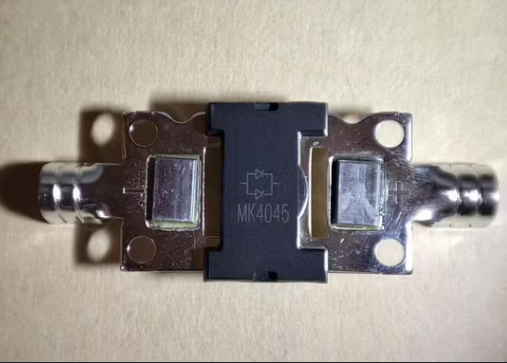
Bypass diodes are wired in parallel with sections of solar cells within a panel, typically covering a defined group of cells rather than the entire panel as a single unit. Under normal operating conditions, these diodes remain inactive, since current flows normally through the cells they’re paired with. When a section becomes shaded or underperforms relative to the rest of the string, the bypass diode activates, providing an alternate current path that routes around the affected section rather than through it.
This mechanism protects the shaded cells from reverse current damage while allowing the rest of the panel — and the broader string — to continue operating with reduced but functional output, rather than the entire string being disabled by a single shaded area.
Engineering Considerations for Diode Selection
A detailed photovoltaic diodes engineering guide covers the specific technical factors relevant to bypass diode specification, including forward voltage drop, reverse recovery characteristics, and thermal performance under sustained fault conditions — all of which affect how reliably a diode performs its protective function over the array’s operational lifespan.
Beyond these core electrical characteristics, several practical factors matter significantly in real-world system design:
Current rating margin. Diodes need sufficient current capacity to handle the bypass current safely, with margin for worst-case shading and fault scenarios rather than typical operating conditions alone.
Thermal tolerance. Since bypass diodes activate specifically during fault or shading conditions, they need to handle the resulting heat generation reliably, particularly in installations located in hot climates where baseline thermal stress is already elevated.
Reverse voltage rating. Adequate reverse voltage tolerance protects the diode itself from damage during the voltage conditions present when bypassing a shaded section.
Long-term reliability under cycling. Solar installations are expected to operate reliably for decades, meaning diode selection should account for repeated activation cycles over the system’s operational life, not just short-term performance testing.
Diodes and System-Level Protection Strategy
While bypass diodes address protection at the panel level, broader PV system design often incorporates additional protective components for string- and array-level current management. In many system designs, Goodark bridge rectifiers play a complementary role in managing power conversion processes elsewhere in the system, particularly around inverter-stage AC-to-DC or DC-to-AC conversion. Understanding how bypass diodes fit within this broader protective and conversion architecture helps engineers design systems where component selection is coordinated across the full power path, rather than treating panel-level protection in isolation from the rest of the system.
Common Design Mistakes to Avoid
Underspecifying current or thermal ratings to reduce component cost, which increases failure risk under real-world shading conditions rather than idealized lab testing scenarios.
Failing to account for climate-specific thermal stress, particularly in installations located in consistently high-temperature environments where diode thermal margins matter more than in moderate climates.
Overlooking long-term cycling reliability, since diodes that perform well in short-term testing may not necessarily maintain the same reliability across years of intermittent activation in field conditions.
Final Thoughts
Photovoltaic diodes, particularly bypass diodes, serve a critical protective function within solar PV arrays by preventing hotspot damage caused by shading and cell mismatch. Proper diode specification — accounting for current rating, thermal tolerance, reverse voltage, and long-term cycling reliability — directly affects how well a solar installation performs and endures over its expected operational lifespan. Coordinating this protection strategy with broader system-level components ensures a more reliable, well-engineered solar power system overall.
FAQs
Why do solar panels need bypass diodes? Bypass diodes prevent hotspot formation caused by partial shading or cell mismatch, protecting solar cells from damage by rerouting current around underperforming sections of a panel.
How does a bypass diode actually work? It remains inactive under normal conditions but activates when a section of cells becomes shaded or underperforms, providing an alternate current path that avoids forcing current through the affected cells.
What factors matter most when specifying photovoltaic diodes? Key factors include current rating margin, thermal tolerance, reverse voltage rating, and long-term reliability under repeated activation cycles over the system’s operational lifespan.
What happens if a solar panel lacks proper diode protection? Without adequate bypass protection, shaded or mismatched cells can overheat and become damaged, reducing panel efficiency and potentially creating safety risks over time.
Do bypass diodes work independently from other system protection components? No. They typically function alongside other power semiconductor components, such as rectifiers involved in inverter-stage power conversion, as part of a broader system-level protection and conversion strategy.