Connected Comfort: How Smart Technology Is Transforming Home Interiors
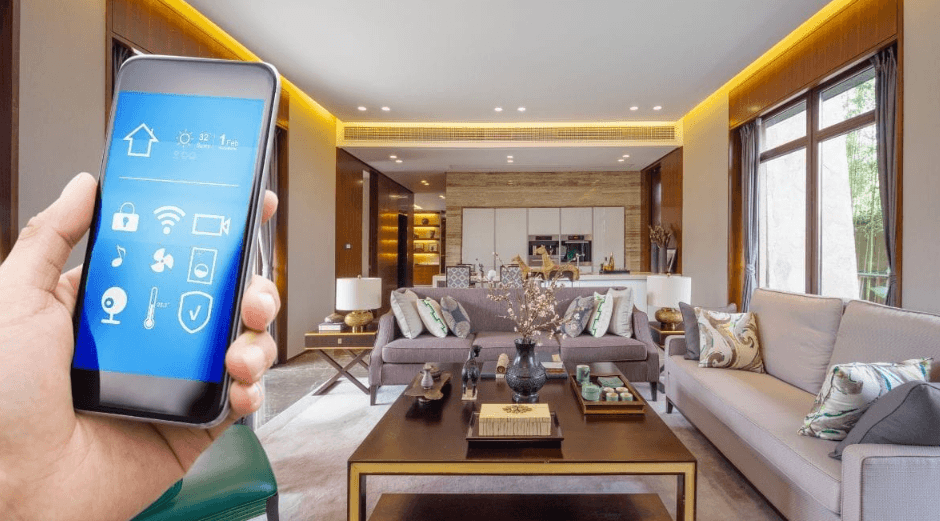
Modern homes are becoming more connected as technology changes how people interact with everyday spaces. Lighting, security, entertainment, climate control, and appliances can now work together to simplify daily routines.
The growing interest in smart home interiors reflects this shift toward homes that combine comfort, convenience, functionality, and modern design. Connected systems can be integrated into different rooms without letting technology dominate the space’s visual character. Instead, thoughtful planning makes smart features a natural part of the home’s overall design.
Connected Living Spaces With Intelligent Interior Features
Smart technology can be integrated into home design through carefully planned systems that improve convenience while maintaining a clean and comfortable interior environment.
1. Automated Lighting For Everyday Convenience
Smart lighting lets homeowners control brightness, timing, and lighting scenes through mobile apps, sensors, or voice commands. Homeowners can create different settings for reading, relaxing, entertaining, or sleeping. Automated lights can also switch off when rooms are unoccupied, helping reduce unnecessary electricity consumption. When planned alongside furniture and ceiling layouts, lighting technology can stay visually subtle while still improving each room’s atmosphere and functionality.
2. Smart Climate Control For Personalized Comfort
Connected thermostats and climate-control systems can adjust indoor temperatures according to schedules, occupancy, and personal preferences. Instead of repeatedly changing settings manually, homeowners can create routines that maintain comfortable conditions throughout the day. These systems can also support more efficient energy use by reducing cooling or heating when rooms are empty. Integrating climate controls into the interior plan keeps switches and devices organised while making temperature management simpler for residents.
3. Intelligent Security Integrated Into Interiors
Modern security technology includes smart locks, video doorbells, cameras, motion sensors, and remote alerts. These features allow homeowners to monitor entrances and selected areas through connected devices, even when they are away. Security equipment can be positioned carefully so it doesn’t interfere with the home’s visual appeal. Concealed wiring, coordinated hardware, and thoughtful placement allow security technology to blend into the interior rather than feel like an afterthought.
4. Connected Entertainment For Flexible Spaces
Entertainment systems can transform living rooms and dedicated media areas into versatile spaces. Smart televisions, wireless speakers, projectors, and multi-room audio systems can be operated through centralised applications or voice controls. Homeowners can create settings for movie nights, music, gaming, or casual viewing without managing multiple separate controls. Thoughtful interior planning can conceal cables, integrate screens into storage units, and position speakers effectively while maintaining a balanced, uncluttered look.
5. Smart Features Supporting Daily Routines
Connected appliances and automated systems can simplify repetitive household activities. Smart curtains, kitchen appliances, robotic cleaning devices, and connected switches can be programmed around daily schedules. For example, curtains can open in the morning while selected lights gradually switch on. These small conveniences can make smart home interiors feel more responsive without requiring complicated interaction. The best approach is to choose technology based on real household needs rather than adding features simply because they are available.
Personalised Design Through Smart Home Interiors
Smart home interiors combine technology and design to create comfortable, practical, and responsive living spaces. Modern interiors can be tailored around individual routines, room functions, and aesthetic preferences. Automated lighting, connected appliances, climate controls, entertainment systems, and security features can work together through centralised controls. Careful planning keeps wiring, switches, sensors, and devices organised without affecting the overall appearance. Homeowners can choose features based on their daily needs, from relaxing bedroom settings to convenient kitchen and living-room controls. This approach allows technology to improve everyday comfort while maintaining a cohesive, contemporary, and personalised home environment.
Modern Interior Planning With Connected Home Technology
Successful technology integration depends on balancing automation with practical layouts, attractive finishes, and easy everyday operation.
1. Designing Technology Around Room Functions
Every room has different needs, so select smart features based on how the space is used. Bedrooms may benefit from automated lighting and curtains, while kitchens can use connected appliances and efficient task lighting. Living rooms may require entertainment and climate controls. Planning technology around room functions prevents unnecessary installations and ensures that every feature contributes to practical everyday comfort.
2. Keeping Wiring And Controls Visually Organized
Smart devices require careful planning for power, connectivity, and control systems. Poorly positioned wires and visible equipment can disturb an otherwise polished interior. Designers can plan electrical points, concealed wiring routes, charging areas, and control panels before installation begins. This approach keeps connected technology organized and reduces visual clutter. Proper planning also makes maintenance easier because important connections remain accessible without compromising the appearance of finished interiors.
3. Creating Personalized Automation Scenes
Smart systems can be configured around different activities and household routines. A homeowner might create a morning setting that opens curtains and activates selected lights, while an evening scene could reduce lighting and adjust room temperature. Such personalization makes technology more useful because it responds to individual habits. Instead of operating every device separately, residents can manage several functions through coordinated scenes designed around their daily lifestyle.
See also: Reliable Appliance Repairs in Brisbane: Keeping Your Home Running Smoothly
4. Combining Technology With Sustainable Design
Smart technology can complement sustainable interior choices by helping homeowners monitor and manage energy consumption. Automated lighting, efficient climate controls, occupancy sensors, and smart energy monitoring can reduce unnecessary usage. These features work particularly well when combined with energy-efficient appliances, natural lighting, suitable ventilation, and durable materials. A balanced approach ensures that technology contributes to practical sustainability rather than becoming an expensive collection of disconnected devices.
5. Preparing Interiors For Future Upgrades
Technology continues to evolve, so interior planning should allow room for future changes. Flexible electrical layouts, accessible connectivity points, modular storage, and adaptable control systems can make later upgrades easier. Homeowners do not need to install every available smart device at once. Creating an infrastructure that supports future additions helps the home remain adaptable as new technologies and household needs evolve.
Conclusion
Smart technology is reshaping modern interiors by bringing together convenience, personalisation, security, entertainment, and energy management. When these systems are planned alongside furniture, lighting, storage, electrical layouts, and room functions, they can enhance everyday living without compromising visual appeal. The goal is not simply to add more devices but to create a connected home where technology works naturally in the background.
For homeowners planning connected spaces, choosing a turnkey interior company in Bangalore can make the design and execution process more coordinated. WeDezine Studio provides an integrated approach that covers design, planning, and execution, combining smart functionality, customised layouts, modern aesthetics, and practical space planning to create comfortable homes designed around contemporary lifestyles.