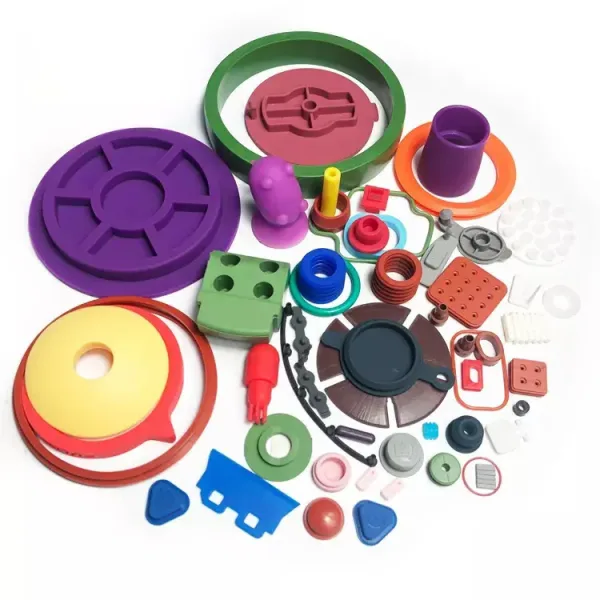
Custom Silicone Parts: Choosing the Right Silicone Parts Manufacturer for Your Next Project
When a product requires flexibility, consistent performance, and a precise fit, custom silicone parts can be an excellent manufacturing solution. From seals and gaskets to medical components, protective covers, keypads, and industrial components, silicone can be molded into many shapes and specifications.
However, achieving the desired result depends on more than simply selecting silicone as a material. The experience, equipment, molding technology, quality systems, and customization capabilities of a silicone parts manufacturer can have a major impact on the final component.
For businesses developing new products or improving existing designs, working with an experienced manufacturer can make the production process more efficient and predictable.
What Are Custom Silicone Parts?
Custom silicone parts are components manufactured according to a customer’s specific design, dimensions, material requirements, and application needs. Unlike standard silicone products, these parts are developed around a particular product or assembly.
Depending on the application, custom components can include:
- Silicone seals and gaskets
- O-rings and flexible rings
- Silicone tubing and sleeves
- Protective covers
- Rubber-like buttons and keypads
- Medical and healthcare components
- Cable and wire protection parts
- Industrial seals
- Silicone valves
- Custom silicone pads and membranes
The manufacturing process typically starts with a product drawing, CAD file, sample, or detailed specification. The manufacturer then evaluates the design and selects an appropriate production method.
See also: How to Know If Your Home Needs a Sump Pump Installation
Why Businesses Choose Custom Silicone Components
Precise Product Requirements
Every product has different dimensional and functional requirements. A standard component may not provide the correct fit, thickness, shape, or flexibility.
Custom molding allows manufacturers to create a component around the exact requirements of the product.
Flexible Design Possibilities
Silicone can be molded into complex geometries and different thicknesses. This gives designers greater freedom when developing components for consumer products, industrial equipment, electronics, automotive applications, and healthcare products.
Material Options for Different Applications
A professional silicone parts manufacturer can help customers select an appropriate silicone formulation based on the intended use.
Factors may include:
- Hardness
- Flexibility
- Temperature exposure
- Compression requirements
- Color
- Surface finish
- Transparency
- Regulatory requirements
- Environmental conditions
Selecting the correct formulation is an important part of achieving consistent component performance.
Common Industries Using Custom Silicone Parts
Medical and Healthcare Products
Silicone is widely used for various healthcare components because manufacturers can produce precise and flexible parts for specialized applications. Components may include seals, membranes, tubing-related parts, and other molded elements.
For medical projects, manufacturers may need to work with specific material grades and production requirements based on the intended application.
Automotive Applications
Automotive manufacturers use molded silicone components in areas where flexibility and resistance to demanding operating environments are required.
Examples include seals, protective boots, grommets, connectors, and other specialized components.
Electronics and Consumer Products
Custom silicone parts are also found in electronics and consumer products. Keypads, protective covers, seals, buttons, grips, and flexible interfaces can all be produced using silicone molding processes.
How a Silicone Parts Manufacturer Develops Custom Components
1. Product Requirement Review
The process begins by understanding the customer’s requirements. Drawings, CAD models, samples, dimensions, expected quantities, and application details may be reviewed.
This stage helps identify potential manufacturing challenges before tooling begins.
2. Material Selection
The manufacturer evaluates which silicone material and hardness are appropriate for the application. Color and other material characteristics can also be specified.
For specialized applications, customers may have particular material certifications or documentation requirements.
3. Mold and Tooling Development
Once the design is finalized, a mold is developed. Tooling must account for the part’s geometry, tolerances, molding method, and production volume.
Well-designed tooling can help maintain consistent dimensions across production runs.
4. Prototype and Testing
Depending on the project, prototypes or initial samples may be produced before full-scale manufacturing. This gives the customer an opportunity to check dimensions, fit, appearance, and functional requirements.
Design changes can be addressed before moving into larger production quantities.
5. Production and Inspection
After approval, the manufacturer moves into production. Parts may be inspected throughout the manufacturing process to verify dimensions, appearance, and other specified requirements.
Choosing the Right Silicone Parts Manufacturer
Selecting the right supplier is an important decision, particularly for custom projects.
Manufacturing Experience
Look for a manufacturer with experience producing components similar to your application. Experience with complex geometries, tight tolerances, or specialized materials can be particularly valuable.
Customization Capabilities
A capable supplier should be able to work from your specifications rather than offering only standard components. Ask whether they support custom sizes, shapes, colors, materials, textures, and packaging.
Production Technology
Different projects may require different molding technologies. Depending on the part design and material, options can include compression molding, liquid silicone rubber molding, injection molding, or other specialized processes.
The manufacturer should be able to recommend a suitable production approach based on the component requirements.
Quality Control
Consistent production is important when parts are being integrated into larger products. Ask about inspection procedures, dimensional checks, material documentation, and batch controls.
Communication and Technical Support
Good communication can simplify the development process. A responsive manufacturer should be able to discuss drawings, tooling, material selection, production quantities, and design changes clearly.
Design Considerations Before Manufacturing
Before sending a design to a silicone parts manufacturer, businesses should review several important details.
Dimensions and Tolerances
Clearly defined dimensions and tolerances help manufacturers understand which measurements are critical and which have greater flexibility.
Silicone Hardness
Silicone hardness can affect the feel, flexibility, sealing behavior, and overall function of a component. The required hardness should therefore be selected according to the application.
Final Thoughts
Custom silicone parts are used across many industries because they can be produced in a wide range of shapes, sizes, hardness levels, colors, and configurations. Whether a business needs a simple gasket or a highly specialized molded component, the manufacturing partner plays an important role in turning a design into a finished product.
Choosing an experienced silicone parts manufacturer involves looking beyond price. Manufacturing capabilities, material knowledge, tooling expertise, quality control, production capacity, and communication should all be considered.
By defining requirements clearly and involving the manufacturer early in the development process, businesses can create silicone components that fit their products and production goals more effectively.