How AI Video Is Changing the Way Businesses Create Marketing Content
Video has become an important part of digital marketing. From social media posts and product demonstrations to promotional campaigns, businesses increasingly rely on video to communicate their message clearly and attract attention. However, traditional video production can require considerable time, planning, equipment, and editing.
Artificial intelligence is changing this process by making video creation faster and more accessible. Businesses can now turn ideas, scripts, images, and product information into engaging video content without depending entirely on traditional production methods.
Why Businesses Are Turning to AI Video Creation
Creating a professional video usually involves several steps, including writing a script, planning scenes, recording footage, editing clips, adding music, and preparing the final version for different platforms. For small businesses and marketing teams, managing all these steps can be difficult.
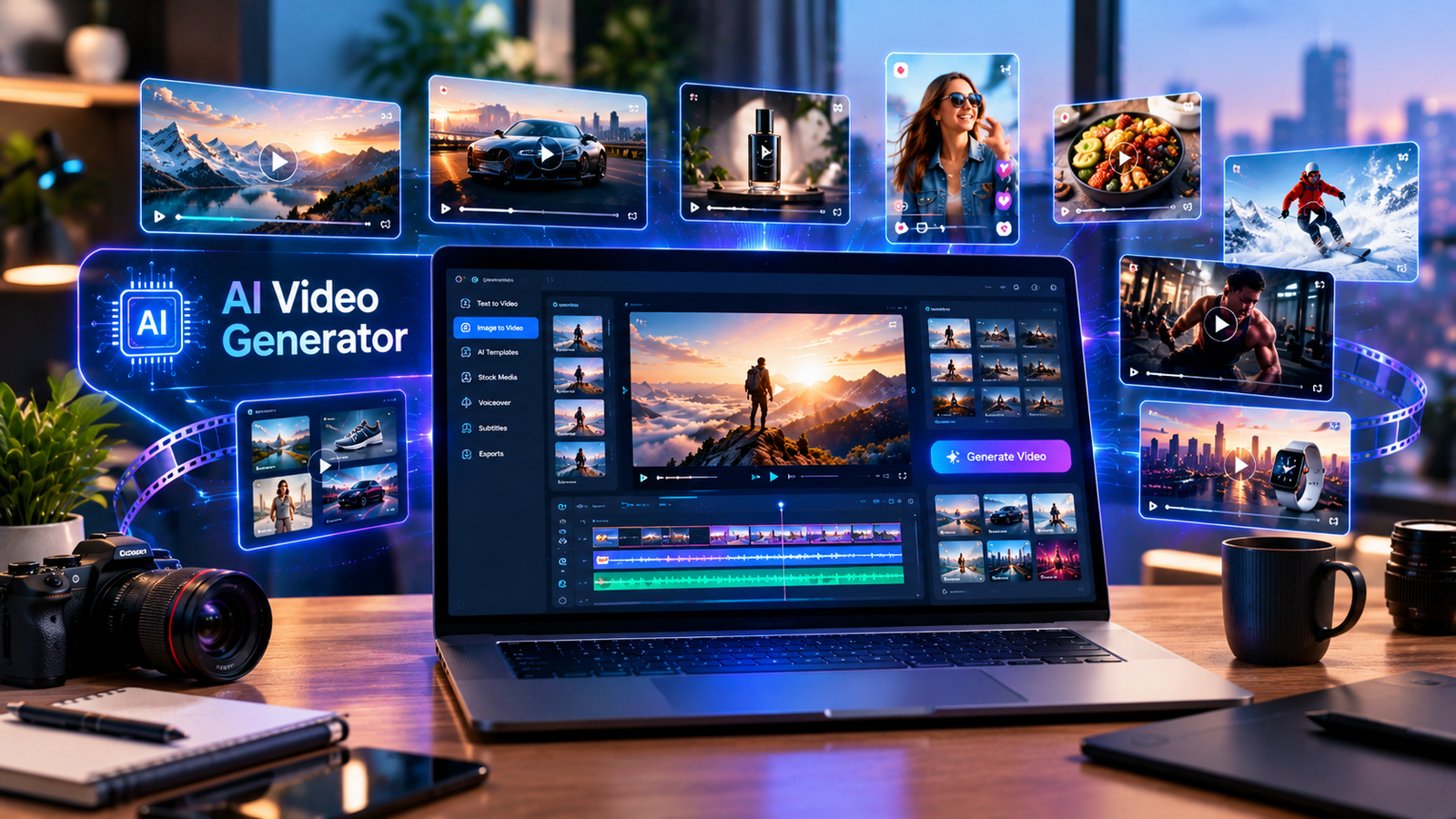
An AI video generator can simplify several parts of this workflow. Depending on the tool, users can start with a text prompt, script, product image, or creative idea and generate a video that can then be edited and customized.
This makes AI video useful for businesses that need to produce content regularly. Instead of creating every video completely from scratch, marketers can experiment with different concepts and develop multiple versions of their content more efficiently.
See also: Understanding the Pace of Technological Advancement
From One Idea to Multiple Marketing Videos
One of the biggest advantages of AI-assisted video creation is flexibility. A single marketing idea can be adapted into different formats for different audiences and platforms.
For example, a business launching a new product could create:
- A short product introduction
- A social media Reel
- A product demonstration
- An educational explainer
- A customer-focused promotional video
- A short campaign teaser
The same core message can be adjusted in terms of length, visuals, tone, captions, and structure. This allows marketing teams to maintain a consistent message while creating content suitable for different channels.
Using Video for Advertising Campaigns
Video is particularly useful when businesses want to promote products or services. Instead of relying only on static images and written advertisements, brands can use moving visuals, product demonstrations, voiceovers, and storytelling to communicate their message.
This is where video ads can become an important part of a broader digital marketing strategy. A well-structured video advertisement can introduce a product, highlight its benefits, demonstrate how it works, or encourage viewers to take a specific action.
AI-assisted production can also make it easier to test different creative approaches. A business may create several versions of an advertisement with different hooks, visuals, messages, or calls to action and then determine which concepts are worth developing further.
Creating More Content Without Making the Process Complicated
Modern marketing often requires businesses to maintain a consistent flow of content. Social media platforms, websites, email campaigns, and advertising channels may all require different video assets.
Producing everything manually can quickly become a bottleneck. AI tools can help reduce the amount of repetitive work involved in the production process.
For example, marketers can use a prepared script to develop a short video, change the visuals for another audience, or adapt a longer piece of content into shorter clips. Human input is still important for deciding the message, brand style, and overall creative direction, but AI can help speed up the production stage.
The Importance of Quality and Brand Consistency
Faster video creation does not automatically mean better marketing. Businesses still need to make sure that their videos are useful, accurate, visually appealing, and consistent with their brand identity.
Before publishing an AI-assisted video, marketers should review the script, visuals, voiceover, captions, branding, and call to action. The final content should feel relevant to the intended audience rather than simply looking like automatically generated material.
A clear message is also important. Even a professionally produced video may fail to communicate effectively if viewers cannot quickly understand what the business is offering or why it matters.
AI Video and the Future of Digital Marketing
AI is likely to become an increasingly common part of the video production workflow. As tools become easier to use, businesses of different sizes can experiment with video without needing large production teams for every project.
The biggest opportunity is not simply producing more videos. It is being able to test ideas, personalize content, adapt campaigns, and respond to changing audience interests more efficiently.
Businesses that combine AI-assisted production with strong creative planning can use video as a flexible part of their marketing strategy. Human creativity remains important, while AI can help handle repetitive production tasks and turn ideas into usable content more quickly.
Final Thoughts
AI-assisted video creation is making it easier for businesses to turn marketing ideas into visual content. From social media videos to promotional campaigns, the technology can help simplify production and give marketers more opportunities to experiment.
The key is to use AI as a production aid rather than a replacement for creative strategy. When the message, audience, visuals, and marketing objective are clear, AI can become a practical tool for creating consistent and engaging video content.