How Online Generators Make Music Discovery and Group Games More Fun
Finding something fun to do with friends does not always require complicated planning. Sometimes, all it takes is a simple online tool that introduces an element of surprise. Whether you are trying to discover a song you have never heard before or looking for a quick game to play with a group, online generators can make ordinary moments more entertaining.
These tools are especially useful because they take away some of the decision-making. Instead of spending ten minutes arguing about what song to play or which game everyone should try, a generator can provide an unexpected suggestion within seconds.
Why Random Choices Can Be More Fun
People naturally have preferences. We usually choose the songs, games, movies, and activities we already know we enjoy. While that makes decision-making easier, it can also become repetitive.
Random selection introduces a little uncertainty. You may end up listening to an artist you would not normally search for or playing a game that nobody in the group had considered.
That element of surprise can make social activities feel fresher. It also gives everyone an equal chance to contribute without one person having to make every decision.
For groups, this can be particularly helpful. Rather than asking, “What should we do now?” and waiting for suggestions, you can let a tool make the first choice and simply go from there.
See also: Understanding the Internet of Things Technology
Using a Random Song Generator for Music Discovery
Music discovery is one area where random selection can be surprisingly effective. Most people have playlists filled with familiar favorites, but there are countless songs and artists outside those usual choices.
A random song generator can provide a starting point when you want something different. Depending on the tool, you might receive a song, artist, genre, or another musical suggestion. You can then listen to the recommendation and decide whether it belongs on your playlist.
This approach works particularly well when you are hosting friends or creating a casual playlist. Instead of carefully selecting every track, you can let random suggestions shape part of the listening experience.
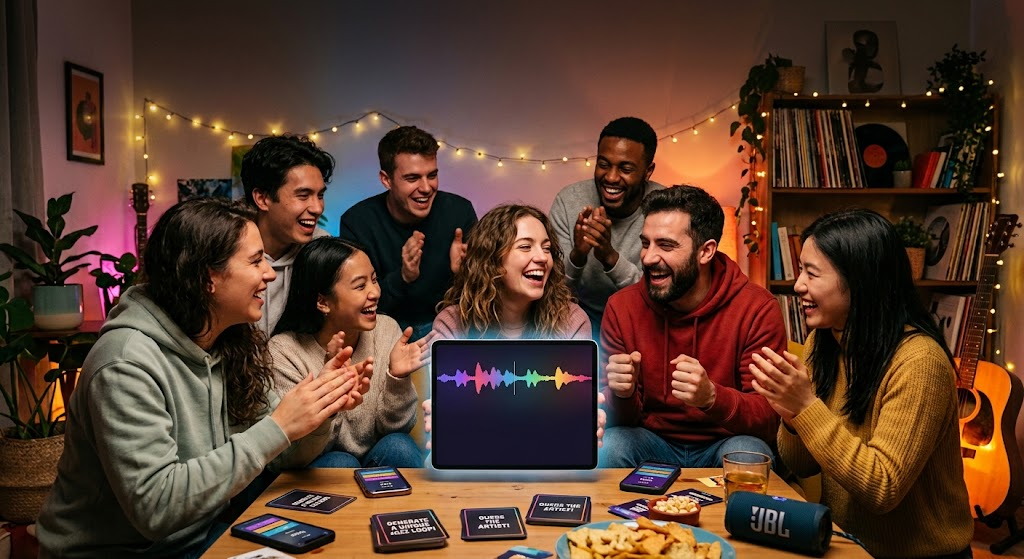
It can also turn music into a small social activity. Friends can take turns generating a song and explaining whether they like it. Someone might discover a new favorite, while another person might find a song that reminds them of an old memory.
The important part is not whether every recommendation is perfect. The fun comes from being willing to explore something unexpected.
Making Music Discovery a Group Activity
Random music selection does not have to happen individually. It can become part of a simple group challenge.
For example, one person can generate a song while everyone else rates it from one to ten. Another option is to give each person a turn and create a shared playlist from the results.
You could also introduce categories. One round might focus on older songs, another on a particular genre, and another on songs nobody in the group has heard before.
These small rules make the activity more interactive. They also encourage conversation because people naturally want to explain why they liked or disliked a particular recommendation.
Bringing the Same Idea Into Games
The same principle works with group games. Sometimes the hardest part of a game night is deciding what to play.
An imposter game generator can help remove that hesitation by giving the group a ready-made starting point. Instead of spending time creating roles or deciding how the game should work, players can use a generator to introduce the basic setup and begin playing.
Imposter-style games can be especially engaging because they depend on communication, observation, and guessing. Players need to pay attention to what others say and do while trying to work out who has a different role.
That makes the experience more than simply following instructions. Conversations, reactions, and unexpected answers become part of the entertainment.
Why These Tools Work Well for Groups
One reason online generators are useful is their simplicity. You generally do not need extensive preparation or special equipment. A phone, computer, or tablet may be enough to get started.
They can also help include people who have different preferences.
Imagine a group where one person wants music, another wants a competitive activity, and someone else does not want to spend time planning. A random generator can provide an easy starting point that everyone can react to.
The tools do not have to control the entire activity, either. Think of them as idea starters. Once the generator provides a suggestion, the group can add its own rules, challenges, or variations.
Adding Creativity to the Experience
There is also a creative side to using generators. Random suggestions can encourage people to think differently because they remove some of the usual limitations.
For example, a randomly selected song could inspire a themed playlist. A game suggestion could lead to a completely new set of rules created by the group.
This is particularly useful for people who enjoy improvising. Instead of starting with a blank page—or an empty playlist—you begin with something unexpected and build from there.
The same idea can be applied to many everyday activities. Random prompts can help people generate ideas, start conversations, or break repetitive routines.
Keeping Things Simple and Social
The best use of these tools is usually not to overcomplicate them. A generator is most useful when it saves time and creates an opportunity for people to interact.
For a music session, generate a few suggestions and let everyone react. For a game night, generate an activity and give players a few minutes to understand the rules. If the group enjoys it, continue. If not, simply generate another option.
There is no need to treat every result as a fixed instruction. The goal is to create a fun starting point.
Final Thoughts
Online generators can add an easy element of spontaneity to activities that might otherwise feel predictable. A random song can introduce someone to an artist they would never have searched for, while a generated game can help a group start playing without a long planning session.
The real value is not necessarily in the generator itself. It is in what happens afterward: people talking, laughing, sharing opinions, discovering something new, and creating their own variations.
Whether you are putting together a casual playlist or planning a relaxed game night, a little randomness can make the experience more memorable. Sometimes, the most enjoyable activity is simply the one nobody planned in advance.