The Role Off Grid Inverter Manufacturers Play in Rural Electrification
Access to reliable electricity is something a lot of people in well connected areas never have to think about, but for communities without practical access to grid infrastructure, off grid solar systems have become one of the more realistic paths to reliable power. The inverter manufacturers behind this equipment play a role that goes well beyond simply selling hardware, since the reliability of their products directly affects whether these electrification efforts actually succeed over the long term.
Why Grid Extension Is Not Always the Practical Answer
Extending traditional grid infrastructure to remote or sparsely populated areas is often prohibitively expensive relative to the number of people it would actually serve. In many of these situations, off grid solar systems represent a far more practical and cost effective path to bringing reliable electricity to a community than waiting for, or investing in, traditional grid extension that may never actually happen in a reasonable timeframe.
The Inverter Is Central to Whether These Systems Actually Work
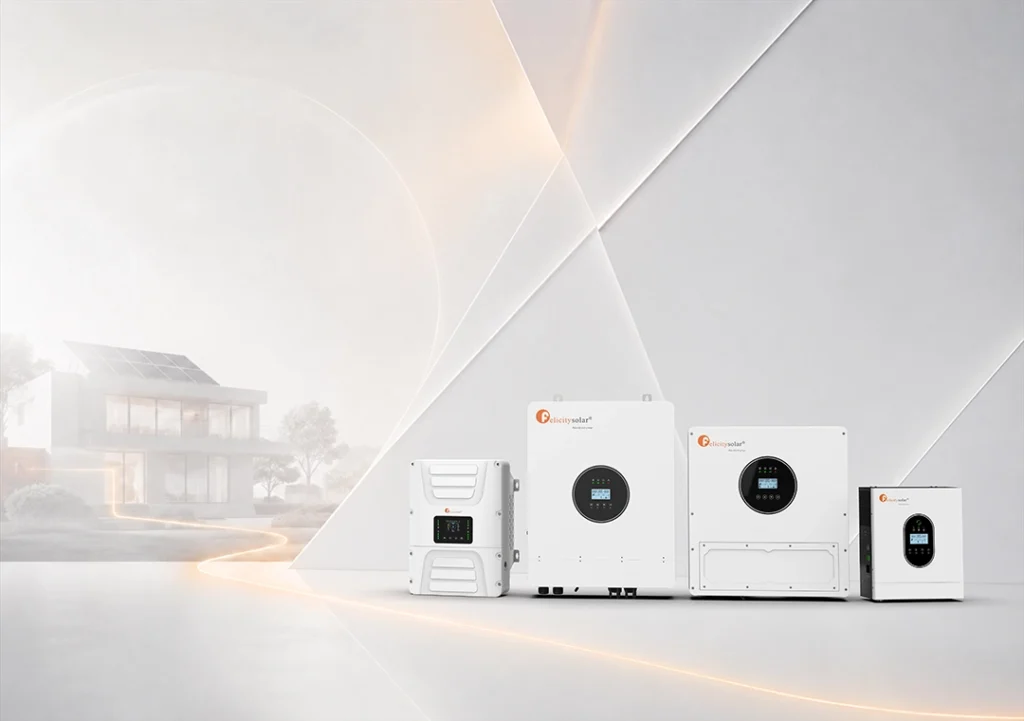
An off grid solar system depends heavily on its inverter to properly manage the balance between solar generation, battery storage, and actual household or community demand, all without any grid to fall back on if something goes wrong. In a rural electrification context, this reliability matters even more than usual, since a failed inverter in a remote location often cannot be repaired or replaced quickly, and the community depending on that system may go without reliable power for an extended period while a solution gets arranged.
Durability Requirements Beyond Typical Residential Use
Off grid systems installed in rural or remote electrification projects often need to handle more variable and sometimes harsher environmental conditions than a typical residential installation in a developed area. Manufacturers who specifically design equipment with this kind of durability in mind, accounting for temperature extremes, dust, humidity, and limited access to professional maintenance, tend to produce equipment far better suited to these demanding real world conditions than manufacturers whose products were primarily designed and tested for more controlled residential environments.
Simplicity and Serviceability Matter Enormously Here
In a rural electrification context, the people maintaining these systems day to day often do not have access to highly specialized technical support. This makes equipment simplicity and serviceability a genuinely important design consideration, and an off-grid inverter manufacturer that designs with this reality in mind, rather than assuming every installation will have access to specialized technicians, tends to produce equipment that performs more reliably in these specific contexts over the long term.
Supporting Local Capacity, Not Just Selling Equipment
Manufacturers genuinely invested in rural electrification success often provide documentation, training resources, and technical support structured around the realistic conditions these installations actually operate under, recognizing that the value of their equipment depends significantly on whether local communities can actually maintain and troubleshoot it themselves over time, rather than depending entirely on outside technical support that may not always be readily available.
Cost Considerations Without Sacrificing Reliability
Rural electrification projects often operate under real budget constraints, which creates a genuine tension between affordability and the reliability these installations genuinely need given how difficult repairs can be in remote locations. Manufacturers who manage to balance reasonable cost with genuine reliability, rather than simply offering the cheapest possible equipment without regard for how it performs under real field conditions, provide far more actual value to these projects over their operational lifespan.
Why This Role Deserves Real Recognition
The manufacturers supplying equipment for rural and remote electrification projects are contributing to something genuinely significant, extending reliable access to electricity in places where it has historically been difficult or impossible to achieve through traditional infrastructure. Recognizing the specific demands this context places on equipment design and support helps explain why not every inverter manufacturer is equally well suited to serving this particular, genuinely important segment of the broader solar industry.