Where American Consumers Are Spending Their Money Today
American consumer spending continues to drive the US economy, touching on areas such as sales, the use of new technologies, entertainment, and priorities within the home. With lifestyles shifting and new products emerging, Americans are becoming increasingly aware of the manner in which their spending decisions are made. Insight into consumer behavior allows firms to make accurate projections, while also helping consumers themselves gain valuable information.
Adopting Smarter Budgeting Habits
A smarter way to budget is a big development in the market that is affecting how consumers act. The increasing cost of living has made many consumers analyze their monthly expenditure on discretionary and debt payments, as well as budgeting and saving plans. Apps and financial tools that help consumers budget will simplify the process and give insight into their monthly expenditure. Smart shoppers are now being more strategic with large purchases. Instead of shopping right away, shoppers will compare options, shop around for discounts, check reviews, wait for sales, or save money specifically for the purchase. This will ensure that shoppers maintain financial flexibility despite making occasional larger purchases.
See also: Emerging Technology Trends That Are Shaping Everyday Life
Investing in Emerging Technology
The development of technology is generating new opportunities for people to use their money. Devices such as smartphones, smart home equipment, wearables, AI-based applications, games, and connected devices will continue attracting customers seeking increased convenience or better performance of the device. AI is especially powerful because customers get to experience new technologies such as automated assistants, personalization services, productivity tools, content creation, and education. People will be ready to pay additional money for technologies that help save time and make people’s lives easier. However, affordable costs and increased competition may lower the cost of the technologies so that they become available for more people.
Increasing Media Consumption
Another sphere of expenditure is media consumption. Online platforms, subscription services, video games, podcasts, social networks, news websites, and other types of digital media fight both for audiences’ attention and money. Instead of being dependent on only conventional media channels, people can choose from a wide variety of content. Moreover, such a huge choice has made people’s attention more scattered. It is possible to switch between short videos, TV series, social media, podcasts, online communities, and conventional media in one day. Businesses should consult marketing experts to learn where US consumer attention is shifting and adapt their promotional strategies accordingly. Understanding changing media habits can help companies select more relevant channels, formats, and messages without wasting advertising budgets.
Prioritizing Everyday Essentials
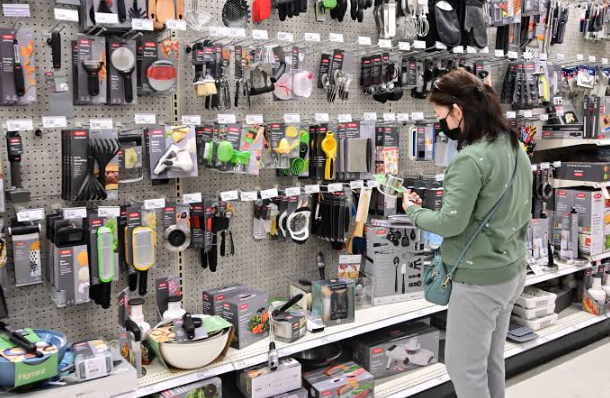
Products that can be considered necessities are still an important part of the budget. Products such as groceries, personal care items, cleaning supplies, and utilities cannot really be avoided even when people try to be careful with their expenses. People who are affected by price increases tend to compare brands, look for deals, buy in bulk when discounting is available, or choose store brands. Moreover, convenience becomes more important for purchase decisions. Delivery, subscriptions, online orders, and pickup service provide consumers with a means to save time and still purchase necessary products. Necessities don’t become unnecessary because of increased concern about the budget. Instead, people try to find new ways to purchase them efficiently.
Spending More on Experiences
Experiences have evolved into a major classification of expenditures. Traveling, eating out, attending concerts, sports, festivals, recreation activities, and weekend breaks are just some things that could potentially vie for consumers’ disposable income. Following a time when consumers had less chance to socialize or travel, they came to place high importance on things that bring memorable experiences. Especially for younger consumers, spending on entertainment and experiences is something they consider worth their money. For restaurants, hoteliers, tour operators, and event organizers, it is good news that consumers choose to spend on enjoyment over acquiring physical things. Even consumers trying to watch their pockets choose to set aside money for experiences, albeit infrequently.
Choosing Personal Improvement
Health and well-being have become key areas of spending for some American consumers. Products such as gym subscriptions, exercise equipment, health-related services, healthy foodstuffs, care products, leisure activities, and education can attract discretionary spending. It is also possible for a consumer to invest money in products that improve sleep, help relax, enhance efficiency or even quality of life. Self-improvement transcends mere health. Consumers can take online courses, engage in professional development, pick up a hobby, or pursue an interest through various means. This shows how people have a desire to spend their money on products and services that offer them long-term personal benefits as opposed to merely convenient services. Firms in this industry could leverage this by highlighting their tangible benefits and gaining the trust of more informed consumers.
To summarize, the trend of consumer spending in America is changing based on the need to meet basic needs, individual preferences, and being financially responsible. Basic needs will continue to be the main consideration, but experiences, innovations in technology, media, and well-being are also playing an important role in determining spending. This knowledge is helpful for companies to understand their customers and consumers to be more financially responsible.