Lyapko Applicators: A Complete Guide to Needle Mats and Massage Rollers
Modern lifestyles often involve long hours of sitting, limited physical activity, and recurring muscle tension. Many people look for practical ways to support relaxation and improve everyday comfort. One product category attracting interest among wellness enthusiasts is Lyapko applicators.
A Lyapko applicator is a multi-needle massage device designed to stimulate the skin through contact with numerous small metal needles. The product range includes massage mats, rollers, flexible belts, and compact applicators intended for different areas of the body.
People searching for a Lyapko applicator, Lyapko massage mat, or Lyapko needle roller often want to understand how these devices work, how to choose a suitable model, and what to consider before buying one.
This guide explores the main types of Lyapko applicators, their design, potential uses, practical selection criteria, and important safety considerations.
What Is a Lyapko Applicator?
A Lyapko applicator is a contact-based massage device featuring small metal needles arranged on an elastic base. According to the manufacturer’s product information, the base is generally made from medical-grade rubber or another specified elastic material, while the needles incorporate different metals.
Depending on the model, the metal components may include copper, iron, zinc, nickel, silver, or combinations of these materials. The exact composition varies between products.
Unlike conventional massage tools with smooth surfaces or rotating heads, a Lyapko needle mat distributes contact across numerous small points. When placed against the skin, it creates a distinctive sensation that may range from mild tingling to more noticeable prickling.
The primary action is mechanical stimulation of the skin. Some people incorporate this sensation into relaxation routines, although the degree of any therapeutic benefit depends on the condition being considered and the quality of available evidence.
How Does a Lyapko Needle Applicator Work?
The needles contact the skin at multiple points, producing sensory stimulation and localized pressure. The sensation depends on needle spacing, pressure, body contours, and individual sensitivity.
Some users find this type of stimulation relaxing or useful as part of a personal wellness routine. However, a noticeable sensation does not necessarily indicate that an underlying medical condition is improving.
The manufacturer also describes its products in terms of reflexology and traditional stimulation methods. Such descriptions should be distinguished from independently established clinical evidence.
A Lyapko applicator is not a diagnostic device and should not replace medical assessment or prescribed treatment.
What Makes Lyapko Applicators Different?
The most recognizable feature is the arrangement of metal needles within an elastic base. Ordinary massage mats may use rounded plastic points, textured surfaces, or foam structures, while Lyapko products use a multi-metal needle design.
Other differences include the variety of product shapes, needle spacing, dimensions, and intended application areas.
These characteristics matter when selecting a device. No single model is automatically suitable for every person or every purpose.
Types of Lyapko Applicators
Lyapko applicators are available in several formats designed for different application methods. Understanding their differences can help buyers select a product that matches their preferences and intended use.
Lyapko Massage Mats
A Lyapko massage mat is a flat applicator designed to cover a relatively large area. Depending on its dimensions, it may be positioned beneath the back, legs, or another appropriate body region.
The contact surface distributes stimulation across many points rather than concentrating it in one small location.
Who Might Consider a Lyapko Massage Mat?
People looking for a stationary self-care tool may prefer a flat applicator because it can be used while resting in a comfortable position.
When comparing a Lyapko mat, consider its length, width, needle spacing, flexibility, and the area you intend to cover. A compact model may be easier to store, while a larger mat provides a broader contact area.
Position the product carefully to avoid excessive pressure on any one part of the body.
Lyapko Massage Rollers
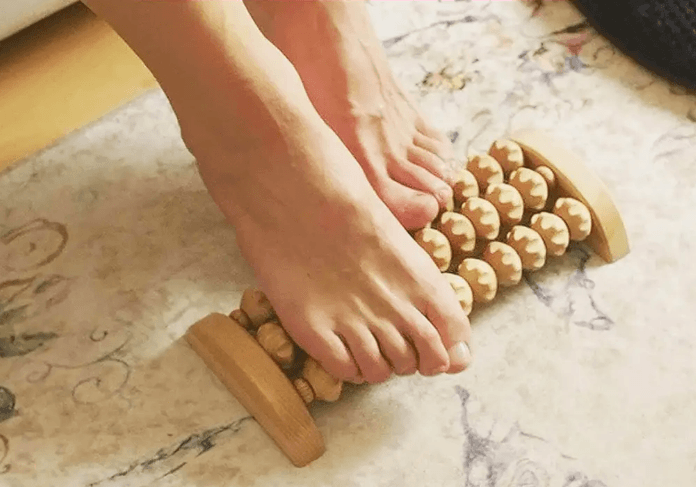
A Lyapko massage roller is designed to move across the skin rather than remain stationary. Moving the roller produces changing patterns of mechanical stimulation.
Rollers are available in different sizes and shapes. Smaller versions may be easier to handle in limited areas, while larger designs can cover broader surfaces.
Roller or Mat: Which Should You Choose?
A mat provides relatively stationary contact, whereas a roller introduces movement. This difference affects the sensation and the amount of control the user has over pressure and positioning.
When comparing a Lyapko massage roller with a needle mat, consider whether you prefer a stationary device or a tool that moves across the skin.
Use rollers gently and follow the manufacturer’s instructions. Vigorous pressure is unnecessary and may irritate or injure the skin.
Lyapko Belts and Flexible Applicators
Flexible applicator belts and strips are designed to follow or fit around selected body areas. Their shape can make them convenient when a flat mat is difficult to position.
Some models include fastening systems or segmented components. Features vary by product, so check the dimensions, flexibility, fastening method, and recommended application areas before purchasing.
The device should fit securely without restricting movement, breathing, or circulation.
Compact and Specialized Applicators
Smaller applicators may be convenient when a full-size mat is impractical. Specialized designs can offer different handling characteristics or be intended for particular body areas.
A smaller device is not necessarily more effective than a larger one. Selection should be based on the intended application, comfort, and manufacturer instructions rather than assumptions about size alone.
Potential Benefits and Realistic Expectations
Interest in Lyapko applicators often centers on relaxation, sensory stimulation, and everyday comfort. It is important to distinguish these possible subjective benefits from medical claims that require reliable clinical evidence.
Relaxation and Muscle Comfort
Some users find gentle, controlled stimulation relaxing, particularly when incorporated into a quiet break or an established self-care routine.
Relaxation may also be supported by comfortable positioning, regular movement, appropriate physical activity, and sufficient rest.
A Lyapko applicator should not be regarded as a guaranteed solution for muscle tension. Persistent discomfort may have several causes and may require professional assessment.
Sensory Stimulation
The numerous contact points on a Lyapko needle mat create a distinctive tactile sensation. Some users enjoy this sensation, while others find it uncomfortable.
Individual sensitivity varies. The experience may depend on needle spacing, pressure, skin sensitivity, and product construction.
A stronger sensation does not necessarily mean a better result. Comfort and skin safety should guide use.
What Does the Scientific Evidence Say?
Evidence for massage, acupressure, and related forms of mechanical stimulation varies according to the technique and the condition being studied. Findings for one intervention cannot automatically be applied to another device.
Independent clinical evidence establishing the effectiveness of Lyapko applicators for specific diseases remains limited. Claims involving guaranteed pain relief or treatment of serious medical conditions therefore require particular caution.
A responsible purchasing decision considers the intended purpose, available evidence, and individual circumstances.
How to Choose the Right Lyapko Applicator
The most suitable model is not necessarily the largest, most expensive, or most intensely stimulating one. Consider the intended application, comfort preferences, product specifications, and relevant safety precautions.
Consider the Application Area
First, determine where you intend to use the device. A flat mat may suit a broader area, while a roller offers moving contact. A flexible belt or strip may be easier to position around certain body regions.
Check the manufacturer’s instructions to confirm that the selected model is intended for your chosen application.
Understand Needle Spacing
Needle spacing is the distance between adjacent needles and is one of the main characteristics distinguishing Lyapko applicator models.
Different spacing options can produce different pressure patterns and sensations. The experience also depends on body contours, applied pressure, and individual sensitivity.
The manufacturer’s selection guidance may take sensitivity and physical characteristics into account. These recommendations should be treated as product-selection guidance rather than a guarantee of comfort or therapeutic effectiveness.
If you are uncertain, compare several models and seek professional advice when appropriate.
Check Size and Shape
An applicator’s dimensions determine the area it can cover and how conveniently it can be positioned or stored.
A larger mat may cover more surface area but require more storage space. A compact roller is easier to transport but produces a different contact pattern.
Review the actual measurements rather than relying solely on product photographs.
Review Materials and Construction
Examine the product description for information about the base material, needle composition, manufacturing details, and cleaning requirements.
People with known metal sensitivities should review the materials carefully and seek professional advice if necessary.
Compare Price and Seller Information
When shopping online, compare the exact model rather than price alone. Different dimensions, configurations, and needle spacing can make similar-looking products difficult to compare directly.
Look for clear product photographs, complete specifications, seller contact details, applicable warranty information, and a transparent returns policy.
How to Use a Lyapko Applicator Safely
Correct positioning and attention to comfort are important when using a multi-needle device. Always read the instructions supplied with the specific product before the first session.
Prepare the Application Area
Choose a clean, stable surface and position the device securely. Inspect the skin before use.
Do not place the applicator over open wounds, damaged skin, active skin infections, or areas where contact may cause additional injury.
Avoid using a device with damaged components, loose needles, or other defects.
Position the Applicator Carefully
When using a flat mat, distribute body weight as evenly as practical. Uneven positioning may concentrate pressure in a small area and make the experience unnecessarily uncomfortable.
Move slowly when getting onto or off the device. Avoid sudden movements that could scratch the skin or cause a loss of balance.
For rollers and flexible products, follow the manufacturer’s directions regarding positioning, pressure, and movement.
Start Conservatively
The sensation may initially be unfamiliar. Follow the product instructions and pay attention to comfort and skin response.
Do not force yourself to tolerate sharp pain, excessive pressure, persistent burning, or significant irritation.
Stop if the experience becomes painful or causes an unexpected reaction. Seek medical advice if symptoms persist or you are unsure whether the device is appropriate for you.
Cleaning and Storage
Follow the manufacturer’s cleaning instructions for the exact model and material. Use only recommended methods and allow the product to dry as directed.
Store the applicator in a clean, dry place away from conditions that could damage its base or needles. Follow appropriate hygiene guidance when handling a personal-use device.
Safety Considerations and Contraindications
Although Lyapko applicators are non-invasive devices, their needles create concentrated contact pressure against the skin. They are not suitable for every person or every situation.
When to Avoid Use
Do not use the applicator on broken, infected, inflamed, or otherwise damaged skin. Avoid areas with unexplained swelling, unusual skin changes, or injuries that have not been assessed.
People with reduced skin sensation, impaired circulation, bleeding disorders, or a tendency to develop skin injuries should seek medical guidance before use.
Additional precautions may be necessary during pregnancy or when managing a significant medical condition. Follow the product instructions and advice from a qualified healthcare professional.
When to Seek Medical Advice
Persistent or worsening pain, unexplained numbness, weakness, fever, or other concerning symptoms should not be managed solely with a massage device.
If you experience a significant skin reaction or unexpected discomfort, discontinue use and seek appropriate medical attention when necessary.
A Lyapko applicator cannot determine the cause of symptoms or replace an appropriate medical assessment.
Lyapko Applicators Compared with Other Massage Tools
Several types of massage products are available, and each offers a different experience. Comparing their basic characteristics can help clarify which option best matches your preferences.
Needle Mats versus Foam Rollers
A needle mat provides distributed contact through many small points, while a foam roller applies pressure through a broader, usually smooth surface.
Foam rollers are commonly used in exercise and mobility routines. Needle mats offer a different tactile sensation and may be used while resting.
Neither type is automatically better for everyone. The choice depends on comfort, intended use, and relevant health considerations.
Lyapko Applicators versus Plastic Acupressure Mats
Both product types use multiple contact points, but their materials, needle construction, spacing, and overall design may differ.
Lyapko products are distinguished by their multi-metal needle construction and elastic base. Other acupressure mats may use molded plastic points attached to a textile surface.
Compare actual specifications, cleaning requirements, comfort, and safety information rather than assuming that similar appearances indicate equivalent performance.
Applicators versus Conventional Massage
Conventional massage involves manual or mechanical pressure applied through hands or specialized equipment. A needle applicator provides contact through a fixed array of points or a moving roller.
These methods are not interchangeable, and their effects depend on the technique and intended purpose. A qualified practitioner can help determine which approach, if any, is appropriate for a particular concern.
Buying Lyapko Applicators Online
Online shopping makes it possible to compare product formats and specifications before choosing a model. A useful product listing should explain the intended application, dimensions, needle spacing, materials, and care instructions.
What to Look for in a Product Listing
Before ordering, confirm the following details:
- Exact model name and product type.
- Dimensions and intended application area.
- Needle spacing and construction materials.
- Included accessories, if applicable.
- Cleaning, storage, and safety instructions.
- Seller information, delivery conditions, and return policy.
Clear specifications are particularly important when several models have similar names or photographs.
Choosing a Reliable Seller
A reliable seller should provide accurate product information and make it easy to ask questions about specifications, availability, and delivery.
Avoid listings that rely on exaggerated medical promises or claim that one device can treat every condition. Clear descriptions and realistic expectations are more useful than unsupported guarantees.
Frequently Asked Questions about Lyapko Applicators
What Is a Lyapko Applicator Used For?
A Lyapko applicator provides multi-point mechanical stimulation of the skin. Some people use these devices as part of a relaxation or personal wellness routine. Evidence supporting their use for specific medical conditions remains limited.
Which Lyapko Applicator Is Best for Back Comfort?
The appropriate model depends on its dimensions, needle spacing, intended application, and user comfort. A flat mat covers a broader area, while a roller offers moving contact. Persistent or severe back pain should be assessed by a qualified healthcare professional.
Are Lyapko Applicators Painful?
The sensation varies from person to person. Some experience tingling or pressure, while others find the contact uncomfortable. Sharp pain, burning, or significant irritation is a reason to stop.
How Long Should You Use a Lyapko Massage Mat?
Follow the instructions provided with the particular model. Recommended duration may vary by product and intended use. Do not assume that a longer session provides greater benefits, and stop if discomfort develops.
Can a Lyapko Applicator Replace Medical Treatment?
No. It should not replace prescribed medication, professional assessment, rehabilitation, or other recommended care. Consult a healthcare professional if you have a medical condition or persistent symptoms.