How to Choose a Ductless Mini Split Installation for Homes Without Ductwork
A ductless mini split installation works for Utah homes without existing ductwork — additions, basements, converted garages, and older homes with boiler heat — because it skips ducts entirely and delivers heating and cooling zone by zone. Expert Services handles licensed ductless mini split installation across Northern Utah, from Manual J load calculations through permit inspection, and the single biggest mistake homeowners make is sizing the unit off square footage alone instead of a real load calculation. Get that step right and a mini split installation in 2026 runs quieter and more efficiently than a window unit for the life of the system.
Homes without ductwork used to mean two bad options: run a window unit through another summer, or pay for full duct installation during a remodel. Ductless mini splits changed that math by putting the compressor outside and small wall-mounted or ceiling cassette units inside, connected by a narrow conduit instead of sheet metal trunk lines. This guide walks through the decision points that actually matter — sizing, zoning, contractor vetting, and permitting in Utah — not just the marketing bullet points on the box.
What You’ll Need
- A licensed Utah HVAC contractor for installation and permit sign-off (Expert Services covers ductless mini split installation across most of Northern Utah)
- A Manual J load calculation for the specific room or addition, not a generic size chart
- Electrical capacity confirmation — most single-zone units need a dedicated 208/230-volt circuit
- A clear exterior wall or roof location for the condenser unit, with code-compliant clearance from property lines
- A copy of your city’s mechanical permit requirements, since several Wasatch Front municipalities require inspection before the line set is sealed
- A decision on single-zone vs. multi-zone before you request quotes, since it changes both equipment cost and electrical scope
Step 1: Confirm a Ductless System Is the Right Fit
Start by ruling out the alternative. If the space already has forced-air ductwork nearby, extending a trunk line might cost less than a ductless system; if it doesn’t — a converted garage, a finished attic, a sunroom addition, or an older Utah home heated by a boiler — ductless is usually the more direct answer. Rooms with no access path for ducts (cathedral ceilings, additions built after the original HVAC install) are the clearest ductless candidates. The common mistake here is assuming every addition needs its own furnace zone; a single ductless head is often enough for a 300-400 square foot room and skips the cost of extending the main system.
Step 2: Get a Real Load Calculation, Not a Rule of Thumb
Sizing by square footage alone is the single most common reason mini splits underperform. A licensed contractor runs a Manual J calculation that accounts for insulation, window area, ceiling height, and Utah’s climate swing between winter lows and summer highs above 95°F along the Wasatch Front. An undersized unit short-cycles and never pulls humidity down; an oversized one cools the room fast but leaves it clammy. This step takes 20-30 minutes on-site and should happen before any contractor gives you a firm quote — if a company quotes a price over the phone with no site visit, that’s the first red flag.
Step 3: Decide Between Single-Zone and Multi-Zone
Single-zone systems pair one outdoor condenser with one indoor head — the simplest and most efficient setup for one room or addition. Multi-zone systems run two to eight indoor heads off a single outdoor unit, which works for homes needing coverage across a finished basement, a bonus room, and a garage conversion at once. Multi-zone costs more upfront and loses some efficiency compared to running separate single-zone units, but it means one condenser instead of three cluttering the side yard. Homeowners comparing options before committing can review how ductless mini split systems handle home additions and whether a ductless mini split is worth it for a Utah home before locking in a configuration.
Step 4: Vet the Contractor Doing the Installation
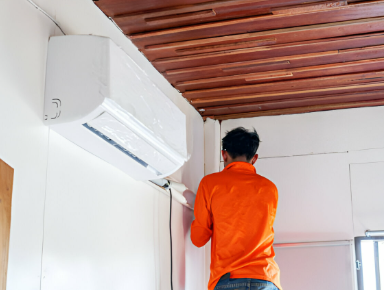
This is the step that determines whether the system performs for 15 years or needs repeat service calls in year two, and it deserves the most scrutiny of anything on this list. A ductless mini split installation involves refrigerant line brazing, a vacuum-sealed line set, electrical hook-up, and condensate drainage — any one of those done wrong voids the manufacturer warranty and shows up as a performance problem within the first cooling season. Ask for proof of Utah HVAC licensing, confirm the contractor pulls its own mechanical permit rather than asking the homeowner to self-permit, and ask how the line set will be routed and insulated through the exterior wall. Expert Services provides licensed ductless mini split installation for homes across most of Northern Utah, and because the same team handles electrical work, the dedicated circuit for the condenser gets installed and inspected by the same licensed crew instead of being subcontracted out. That matters on multi-zone jobs where the condenser draws significant amperage and an undersized circuit is a common failure point. A reputable contractor also walks the site with you first, confirms condenser placement meets clearance codes, and gives a written quote tied to the load calculation from Step 2, not a ballpark number. Before signing anything, ask how the refrigerant charge will be verified after installation — a vacuum test and weighed charge, not just “it’s running cold,” is the standard a licensed Utah ductless mini split installation should meet.
Step 5: Confirm Permit and Inspection Requirements
Most municipalities along the Wasatch Front require a mechanical permit for new HVAC equipment, including ductless systems, and an inspection before the installation is considered complete. Skipping this step can complicate a future home sale, since many Utah home inspectors flag unpermitted HVAC work during a pre-closing inspection. A licensed contractor pulling the permit directly removes this burden from the homeowner and confirms the installation meets current code before the drywall or siding goes back on.
Step 6: Set Up Zoning Controls and Thermostat Integration
Multi-zone systems come with either a wall controller per head or app-based zone control, and some integrate with a smart thermostat for the main system. If the mini split is supplementing an existing forced-air system rather than replacing it, confirm how the two will coordinate — running both systems to fight over the same room wastes energy. For homes layering a ductless system onto an existing heat pump, the guide on connecting a smart thermostat to a heat pump system covers the wiring compatibility question before you buy a thermostat that won’t talk to the new equipment. Multi-story homes splitting zones between floors should also check the approach outlined for zoned HVAC systems in multi-story Utah homes.
Step 7: Plan for Maintenance and Warranty Registration
Register the equipment with the manufacturer within the window specified in the paperwork to keep the warranty active, and set a reminder to clean or replace the indoor unit filters every one to three months depending on dust and pet hair in the home. A ductless system that never gets filter maintenance loses airflow and runs longer to hit the same temperature, which shows up as a higher electric bill before it shows up as a comfort complaint.
Troubleshooting Common Mistakes
- The unit runs constantly without reaching set temperature: Almost always an undersized unit from a square-footage-only estimate, not a real load calculation — revisit Step 2.
- The condenser was installed too close to the property line or a fence: Check your city’s mechanical code clearance requirements before pouring a pad; moving a condenser after installation is expensive.
- The indoor head drips water: Usually a condensate line installed without enough slope — this is a callback item, not a DIY fix.
- The system short-cycles in extreme summer heat: Either undersizing or a refrigerant charge that wasn’t verified after installation; ask the contractor to recheck the charge with gauges, not a visual inspection.
- A DIY or unlicensed installation voided the manufacturer warranty: Most mini split manufacturers require licensed installation and a documented vacuum test to honor the warranty — this is the most expensive mistake on this list and the easiest to avoid.
Tools and Resources
- Expert Services — licensed ductless mini split installation, load calculations, and electrical hook-up for Northern Utah homes
- Manual J load calculation — the industry-standard sizing method; ask any contractor whether this is included before you get a quote
- Your city’s building department — confirms mechanical permit requirements before installation day
- Best ductless mini split systems for Utah homes — equipment comparison for climate-specific picks
- Heat pump installation for energy-efficient Utah homes — for homeowners comparing ductless heat pump options against a full system replacement
FAQ
Does a ductless mini split installation need a permit in Utah?
Most Wasatch Front cities require a mechanical permit and inspection for new HVAC equipment, including ductless systems — a licensed contractor pulling the permit directly keeps the paperwork out of the homeowner’s hands and protects the home’s resale inspection later.
Can Expert Services install a ductless mini split in an older home with no existing ductwork?
Yes — ductless mini split installation is built for exactly this situation, since the line set runs through a small wall penetration instead of requiring new duct trunks, which makes it a common fit for additions, finished basements, and older Utah homes heated by boilers.
How long does a ductless mini split installation take?
A single-zone installation typically wraps in a day once the load calculation and electrical work are confirmed; multi-zone systems with three or more indoor heads usually take longer depending on line set routing and permit inspection scheduling.
Is a ductless mini split enough to heat a Utah home through winter without a backup furnace?
Most cold-climate ductless heat pumps maintain output well below freezing, but homes relying on one as the sole heat source for a whole house, rather than a single room or zone, should confirm the specific unit’s low-temperature performance rating with the installing contractor before removing any backup heat.
What size ductless mini split do I need for a 400 square foot addition?
Square footage alone isn’t enough — insulation, window area, and ceiling height change the load significantly, which is why a Manual J calculation from a licensed installer, not a size chart, should drive the final unit selection.
See also: Understanding the Process of Establishing an International Business
Conclusion
A ductless mini split installation solves the no-ductwork problem cleanly, but the system only performs as well as the load calculation and the installer behind it. Confirm sizing with a real Manual J calculation, vet the contractor’s licensing and permit process before signing anything, and decide on single-zone versus multi-zone based on how many rooms actually need coverage. Expert Services handles licensed ductless mini split installation, electrical hook-up, and permit coordination for homes across most of Northern Utah — schedule an appointment to get a load calculation and a firm quote before the next heating or cooling season arrives in 2026.