How Often Should You Get Carpet Steam Cleaning?
Professional carpet cleaning includes much more than removing visible dirt from the surface. A typical service may include a carpet inspection, thorough vacuuming, pre-treatment, stain treatment, hot water or steam-based cleaning, soil extraction, carpet grooming, drying, and a final inspection. The exact process depends on the carpet material, condition, level of soiling, and cleaning method used.
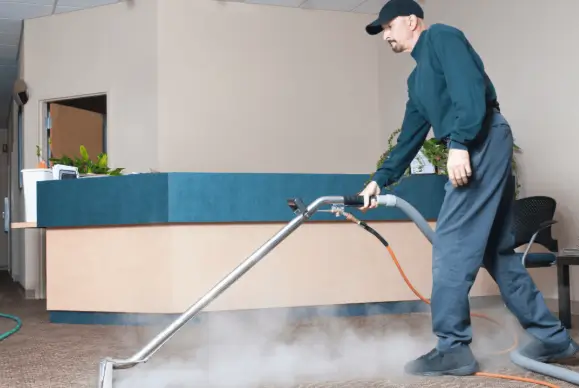
For many homes and businesses, Carpet Steam Cleaning in Los Angeles is used to remove embedded dirt, dust, stains, and other residues that regular vacuuming cannot fully remove. Professional steam carpet cleaners use specialized equipment to apply cleaning solutions and hot water and then extract the loosened soil and moisture from the carpet.
The goal is not simply to make carpet look cleaner. Proper professional cleaning should remove soil while minimizing the risk of fiber damage, excessive moisture, residue, or other cleaning problems. Industry standards such as the ANSI/IICRC S100 Standard for Professional Cleaning of Textile Floor Coverings provide guidance on inspection, cleaning methods, equipment, cleaning chemistry, safety, and post-cleaning procedures.
What Is Included in Professional Carpet Cleaning?
A professional carpet cleaning appointment generally includes several steps designed to work together. A qualified technician should first inspect the carpet and then select a cleaning method based on its fiber, construction, condition, and level of soil.
A typical service may include:
- Carpet inspection
- Pre-vacuuming
- Spot and stain treatment
- Pre-conditioning
- Agitation when appropriate
- Hot water extraction or another suitable cleaning method
- Moisture and soil extraction
- Carpet grooming
- Drying
- Final inspection
Not every carpet requires exactly the same process. Delicate fibers, heavily soiled areas, old stains, and damaged carpet may require different treatment.
1. Carpet Inspection and Assessment
The first step should be understanding what the carpet needs.
A professional technician can inspect the carpet to identify its fiber type, construction, condition, traffic patterns, stains, and areas with heavy soil. They may also look for loose seams, damaged backing, color issues, or previous chemical treatments.
This assessment matters because different carpet fibers react differently to moisture, heat, agitation, and cleaning solutions. Using an unsuitable method can cause problems such as color bleeding, shrinkage, fiber damage, or prolonged drying.
The ANSI/IICRC S100 standard includes inspection and evaluation as important parts of professional carpet cleaning practice. Following this type of structured process helps technicians make better decisions before cleaning begins.
A proper inspection also allows the customer to understand what can realistically be achieved. Some stains can be removed, while permanent discoloration, bleach marks, burns, and damaged fibers may not be repairable through cleaning.
2. Pre-Vacuuming Removes Loose Soil
Vacuuming is an important part of professional carpet cleaning, even when the carpet will later receive deep cleaning.
Before applying moisture or cleaning solutions, technicians may thoroughly vacuum the carpet to remove loose particles. This can include dust, hair, crumbs, dry soil, and other debris sitting within the carpet pile.
Removing loose material first helps the deeper cleaning process focus on soil that has become attached to or embedded within the fibers.
The U.S. Environmental Protection Agency explains that carpets can collect particles such as dust and other indoor contaminants. Regular vacuuming is therefore an important part of carpet maintenance.
Professional cleaning should work together with routine vacuuming rather than replace it.
3. Pre-Treatment for Dirt and Stains
After vacuuming, technicians may treat areas that need additional attention.
Pre-treatment helps loosen soil, oils, and staining materials before the main cleaning stage. The treatment selected depends on what caused the stain and what type of carpet is being cleaned.
For example, coffee, grease, food, pet accidents, and ordinary tracked-in dirt may require different approaches. Using the same chemical on every stain is not a professional approach.
Technicians should consider the carpet fiber, stain type, age of the stain, and previous cleaning attempts before selecting a product.
Stain treatment also requires realistic expectations. A professional steam cleaning service can often remove difficult stains, but it cannot guarantee the removal of every mark. Some substances permanently alter carpet fibers or dyes.
See also: Understanding the Process of Establishing an International Business
4. Pre-Conditioning Helps Loosen Embedded Soil
Pre-conditioning is another step that may be included in professional carpet cleaning.
A suitable cleaning solution is applied to the carpet to help break down soil and oils before the main extraction process. This is particularly useful in areas with heavy foot traffic where dirt has become attached to carpet fibers.
The solution needs to be appropriate for the carpet. Professional cleaning is not about using the strongest chemical possible. Correct product selection, concentration, application, dwell time, and extraction are all important.
The IICRC S100 standard addresses cleaning chemistry and soil management as part of professional textile floor-covering cleaning.
This approach helps balance effective soil removal with carpet protection.
5. Agitation May Loosen Stubborn Soil
Some carpet cleaning methods use mechanical agitation after pre-treatment.
Agitation works the cleaning solution into the carpet fibers and can help loosen soil that is difficult to remove through chemical treatment alone.
However, agitation should be controlled. Carpet construction and fiber type determine how much mechanical action is appropriate. Excessive agitation can damage certain carpets.
Experienced steam carpet cleaners understand that more aggressive cleaning is not automatically better. The process should be matched to the material being cleaned.
6. Hot Water Extraction or Steam Cleaning
The main cleaning stage is where professional equipment removes loosened soil from the carpet.
What many consumers call “steam cleaning” is often technically referred to as hot water extraction. In this process, cleaning solution and heated water are introduced into the carpet and then recovered using powerful extraction equipment.
The combination of cleaning chemistry, heat, agitation when appropriate, and extraction helps remove soil from the carpet.
The Carpet and Rug Institute recognizes hot water extraction among professional carpet cleaning methods and provides cleaning standards and guidance for carpet maintenance.
However, not every carpet requires the exact same cleaning system. A professional technician should consider the carpet manufacturer’s recommendations and the condition of the flooring before choosing the method.
7. Soil and Moisture Are Extracted
Extraction is a critical part of the cleaning process.
After the cleaning solution loosens dirt, the equipment removes the resulting moisture and suspended soil from the carpet. Effective extraction helps reduce the amount of moisture left behind.
This is especially important with wet cleaning methods. Carpet that remains excessively damp for too long can create moisture-related concerns.
The EPA notes that moisture control is important in preventing conditions that support mold growth. Absorbent materials that remain wet for extended periods can become more difficult to manage.
Professional carpet cleaning therefore involves more than applying water and cleaning products. Recovering moisture effectively is an important part of the service.
8. Carpet Grooming After Cleaning
After extraction, some carpets may be groomed.
Grooming helps arrange carpet fibers and improve the appearance of the pile as the carpet dries. It can help reduce uneven patterns created by cleaning equipment or foot traffic.
The exact grooming method depends on the carpet construction. Some carpets require little or no grooming, while others benefit from careful fiber alignment.
Although this is a finishing step, it contributes to the overall appearance of professionally cleaned carpet.
9. Proper Drying
Drying is one of the most important parts of professional carpet cleaning.
After a wet cleaning process, carpet should dry as efficiently as possible. Drying time can vary depending on humidity, airflow, carpet thickness, temperature, ventilation, and the amount of moisture used during cleaning.
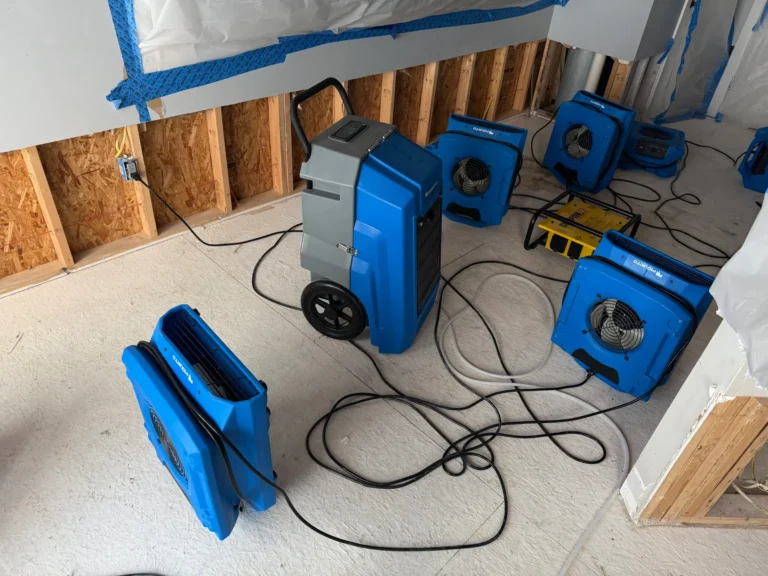
Technicians may use air movers or recommend increasing airflow through the room.
Customers should follow the technician’s instructions about walking on the carpet, replacing furniture, and improving ventilation during the drying period.
Proper moisture management is especially important in Los Angeles homes and businesses where carpets may be cleaned in rooms with limited airflow.
10. Final Inspection
A professional cleaning service should finish with a final inspection.
The technician can check the carpet for remaining spots, areas that may need additional treatment, and any conditions that should be explained to the customer.
This is also when the technician can point out permanent stains or carpet damage that cleaning could not correct.
The IICRC S100 standard includes post-cleaning inspection as part of professional cleaning procedures.
A final inspection provides an opportunity to confirm that the agreed cleaning work has been completed and that the customer understands the results.
What Can Professional Carpet Steam Cleaning Remove?
Professional Carpet Steam Cleaning in Los Angeles can help remove many types of common carpet soil and contaminants.
Depending on the carpet and cleaning method, professional cleaning may address:
- Dust and dry soil
- Tracked-in dirt
- Food and beverage spills
- Pet-related soil
- Body oils
- Grease and oily residue
- Mud
- Some odor-causing residues
- Embedded particulate matter
The results depend on the condition of the carpet and the substance being removed.
There is an important difference between a stain and permanent damage. A coffee stain may be removable, while a bleach mark has changed the carpet’s color and cannot simply be extracted.
A trustworthy cleaning company should explain this difference rather than promise unrealistic results.
Does Steam Cleaning Really Clean Deep Into Carpet?
Yes, professional hot water extraction can reach deeper into carpet fibers than ordinary surface cleaning.
Vacuuming primarily removes loose dry particles from the carpet. Professional extraction combines cleaning solutions, agitation when appropriate, and powerful recovery equipment to remove soil that has become more deeply attached to the carpet.
However, “deep cleaning” does not mean every contaminant will be removed. Results depend on carpet construction, soil type, stain age, previous treatments, and the cleaning system used.
The most effective approach is to combine regular vacuuming with periodic professional cleaning.
How Often Should Carpet Be Professionally Cleaned?
There is no universal schedule that applies to every carpet.
Cleaning frequency depends on foot traffic, pets, children, indoor conditions, carpet type, and the manufacturer’s maintenance recommendations.
A lightly used bedroom carpet may need less frequent professional cleaning than carpet in a busy living room, office, hotel, or retail space.
The EPA has stated that it does not have a specific universal recommendation requiring every carpet to be professionally cleaned a certain number of times per year. Instead, it recommends following carpet manufacturers’ instructions and recognized industry guidance.
Regular vacuuming should continue between professional services.
Is Professional Carpet Cleaning Better Than DIY Cleaning?
DIY carpet cleaning can be useful for small areas and routine maintenance, but professional equipment provides greater control over the cleaning and extraction process.
One common problem with DIY wet cleaning is excessive moisture. If too much water is applied or not enough moisture is recovered, the carpet can take longer to dry.
Cleaning products can also cause problems when the wrong product or concentration is used.
Professional steam carpet cleaners can assess the carpet before selecting equipment, cleaning products, and procedures. Their experience can also be useful when dealing with difficult stains or heavily soiled areas.
For large carpeted areas, valuable flooring, extensive staining, or carpets that have not been professionally cleaned for a long time, professional service can provide a more controlled cleaning process.
How to Choose a Professional Carpet Cleaning Company
When comparing carpet cleaning companies in Los Angeles, ask what is actually included in the service.
A professional Carpet Cleaning Company should be able to explain its cleaning method, products, drying process, and approach to stain treatment.
Look for a provider that:
- Inspects the carpet before cleaning
- Explains the recommended cleaning method
- Uses equipment suitable for the carpet
- Treats stains based on their type
- Explains realistic stain-removal expectations
- Takes moisture control seriously
- Provides clear information about drying
- Follows recognized industry practices
Industry training and standards can also help customers understand what professional cleaning should involve. The IICRC develops standards for inspection, cleaning, restoration, and related textile floor-covering practices.
Price is also important, but the cheapest service may not include the same preparation, cleaning, extraction, or finishing steps. Ask what the quoted service includes before making a decision.
Why Professional Carpet Steam Cleaning Matters in Los Angeles
Homes and businesses across Los Angeles use carpet in bedrooms, living rooms, offices, apartments, hotels, and commercial spaces. Over time, regular foot traffic can push dirt deeper into carpet fibers.
Routine vacuuming helps control loose soil, but periodic professional cleaning addresses deeper buildup.
Carpet Steam Cleaning in Los Angeles can be especially useful when carpet has visible stains, heavy traffic areas, accumulated dirt, or a noticeable need for deep cleaning.
The right cleaning method should always depend on the carpet itself. Professional service is most effective when the technician evaluates the flooring first rather than applying the same process to every carpet.
Professional Carpet Care From Los Angeles Steam Clean
Professional carpet cleaning is a complete process rather than a single cleaning pass. Inspection, vacuuming, pre-treatment, deep cleaning, extraction, drying, and final inspection each have a specific purpose.
For homeowners and businesses looking for Carpet Steam Cleaning in Los Angeles, working with experienced professionals can help ensure that the cleaning method is matched to the carpet and its condition.
Los Angeles Steam Clean provides professional cleaning services for customers who need help maintaining cleaner carpets. Whether you are dealing with everyday soil, high-traffic areas, or difficult stains, a professional assessment can help determine the appropriate cleaning approach.
When choosing a steam cleaning service, ask about the process, equipment, cleaning products, stain treatment, and drying procedures. Understanding what is included makes it easier to compare services and maintain your carpet properly over time.