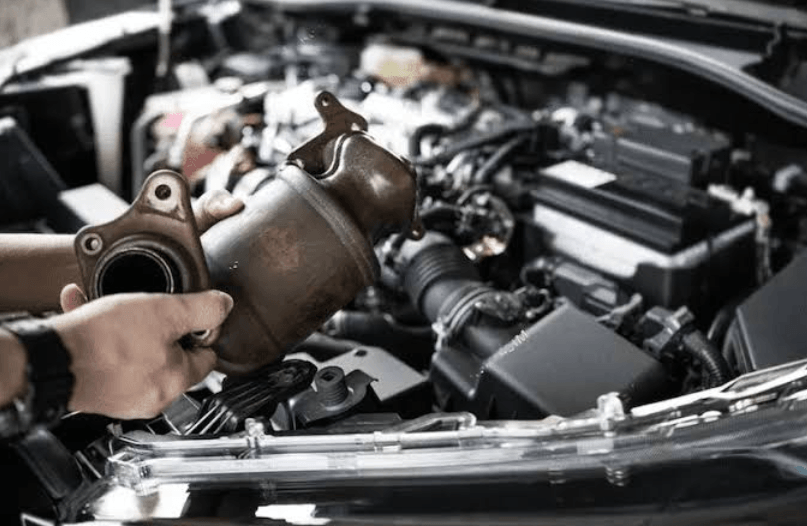
A Practical Guide to Safer Catalytic Converter Collection Sites
Collecting used converters can be a profitable part of the automotive recycling chain, but it also introduces risks that are easy to underestimate. Heavy and irregularly shaped material, sharp cut edges, forklift traffic, airborne dust, fire hazards, theft, and inaccurate inventory records can quickly turn a busy collection site into an unsafe or inefficient workplace.
A safer operation does more than protect employees. It reduces material losses, supports regulatory compliance, improves grading accuracy, and gives downstream processors greater confidence in every shipment. Whether a site receives a few units each week or manages commercial volumes, the following practical measures can help create a safer, more reliable collection process.
Begin With a Site-Specific Risk Assessment
Generic safety policies are rarely enough. Managers should walk through the entire material flow, from vehicle arrival and unloading to inspection, storage, packing, and dispatch. At each stage, identify who could be harmed, how an incident could occur, and which controls are already in place.
Common hazards include unstable containers, manual lifting, protruding pipes, damaged casings, dust released from broken substrate, moving vehicles, and unauthorized access. The assessment should also consider less visible business risks such as misidentified units, undocumented ownership, inventory discrepancies, and contamination that may affect downstream processing.
Prioritize controls using the hierarchy of hazard prevention. Eliminate unnecessary handling where possible, use mechanical equipment before relying on manual lifting, separate pedestrians from vehicles, and treat personal protective equipment as the final protective layer rather than the entire safety strategy.
Design a Controlled Receiving Area
The receiving zone sets the standard for everything that follows. It should be clearly marked, well lit, protected from weather where practical, and large enough to prevent incoming vehicles from blocking pedestrian routes or emergency access.
Create a straightforward intake sequence:
- Direct the supplier or driver to a designated unloading point.
- Confirm supplier identity and required ownership documentation.
- Inspect the load for prohibited, suspicious, or contaminated material.
- Record the quantity, weight, source, date, and relevant identification details.
- Move accepted units promptly into a controlled storage area.
Incoming material should never be left in an open yard simply because staff are busy. A secure quarantine space allows questionable or damaged items to be isolated until a supervisor can review them. This prevents unknown material from being mixed into saleable inventory.
Reduce Manual Handling and Cut Injuries
Converters may appear manageable individually, but repetitive lifting can cause strains, especially when attached pipework makes the load awkward. Provide bins, carts, lift tables, pallet trucks, or forklifts appropriate to the volume handled. Storage containers should be positioned at practical working heights to reduce bending and twisting.
Employees should be trained to assess an item before lifting it. Long pipe sections may shift unexpectedly, while freshly cut metal can have razor-sharp edges. Suitable cut-resistant gloves, protective footwear, eye protection, and durable work clothing are basic requirements. Where processing creates airborne particles, respiratory protection must be selected through a proper exposure assessment and supported by fit testing and training.
Sites should avoid opening, crushing, or dismantling units unless they have purpose-built equipment, dust extraction, documented procedures, and trained personnel. The ceramic or metallic substrate inside an automobile catalytic converter is economically important, but careless handling can expose workers to dust and reduce recoverable material through spillage.
Control Dust, Housekeeping, and Fire Risks
Good housekeeping is a safety control, not a cosmetic exercise. Broken substrate, metal fragments, straps, and packaging left on the floor can create slip, trip, puncture, and contamination hazards. Establish scheduled cleaning responsibilities and provide sealed, labeled containers for residues.
Dry sweeping and compressed-air cleaning can spread fine particles through the work area. Industrial vacuum systems designed for the relevant dust are generally more appropriate. Eating, drinking, and smoking should be prohibited in receiving and processing zones, and workers should have access to handwashing facilities and clean break areas.
Although intact converters are not normally treated like fuels, collection sites often store batteries, oils, wiring, and other automotive materials nearby. Separate incompatible waste streams, maintain unobstructed exits, inspect electrical systems, and position suitable fire extinguishers where trained employees can access them. Emergency plans should identify evacuation routes, alarm procedures, assembly points, and responsibilities for contacting emergency services.
Make Security Part of the Safety Plan
Because converter theft remains a concern in many markets, security procedures should protect both inventory and employees. A collection site should never depend on staff confronting intruders. Physical controls are safer and more dependable.
- Use perimeter fencing, controlled gates, alarms, and adequate exterior lighting.
- Restrict storage access to authorized personnel.
- Position cameras at entrances, unloading points, scales, and storage areas.
- Keep high-value material out of public view.
- Maintain visitor and vehicle logs.
- Define a no-confrontation response for robbery or attempted theft.
Purchasing controls are equally important. Record supplier information, retain transaction documentation according to applicable law, and establish a clear escalation process for suspicious material. Consistent due diligence protects legitimate suppliers while making the site less attractive to unlawful sellers.
Build Traceability Into Every Transaction
Safe operations and accurate commercial records reinforce each other. Assign an intake or batch number as soon as material is accepted. That identifier should follow the load through inspection, sorting, storage, shipment, analysis, and settlement.
Photographs, weights, unit counts, category information, supplier details, and container seal numbers can all strengthen traceability. Regular cycle counts should be compared with the inventory system, with discrepancies investigated rather than automatically adjusted. Digital records also make it easier to identify recurring quality problems or handling losses.
Clear chain-of-custody procedures become especially valuable when material is sampled and analyzed for precious-metal content. Recohub presents a structured service model covering sourcing, processing, trade, and delivery, including standardized processing, homogenized sampling, and analytical approaches such as XRF and ICP. Working with a downstream specialist that explains these stages can help collectors understand how preparation and documentation influence assay-based settlements.
Standardize Storage and Shipment Preparation
Do not overfill bins or use damaged containers. Loads should remain stable during internal movement and transportation, and any protruding pipework should be managed so it cannot injure workers or tear packaging. Inspect pallets, bins, straps, and wrapping materials before use.
Storage zones should be labeled by status, such as received, under review, approved, packed, and ready for dispatch. Separating material by category or agreed commercial specification can reduce rehandling and prevent avoidable disputes. A final pre-shipment check should confirm weight, packaging condition, batch identity, documentation, and destination requirements.
Train, Measure, and Improve
A safety manual has limited value if employees cannot apply it. New starters need task-specific instruction, supervised practice, and documented authorization before operating equipment. Short refresher sessions can cover lifting, traffic routes, dust control, suspicious-load reporting, spill response, and emergency actions.
Track both incidents and leading indicators. Useful measures include near-miss reports, damaged containers, housekeeping inspection results, training completion, inventory discrepancies, rejected loads, and corrective-action closure times. Reviewing these indicators monthly can reveal weaknesses before someone is injured or a valuable shipment is compromised.
Finally, involve the people doing the work. Operators often notice an unstable bin, awkward workstation, or confusing traffic route before management does. A simple reporting process, supported by a no-blame culture, can turn those observations into practical improvements.
Safer Sites Create Stronger Supply Chains
The best collection sites combine physical safety, material security, accurate documentation, and transparent downstream relationships. None of these measures needs to be complicated, but each must be applied consistently. Start by mapping the movement of people and material, correct the highest-risk gaps, and assign clear responsibility for follow-up.
Collectors reviewing their processing and settlement options can explore Recohub’s approach to catalytic converter sourcing, logistics, sampling, analysis, and trade. Use that information to ask better questions of potential partners and to align site procedures with downstream requirements. A well-controlled collection operation is not only safer; it is also easier to audit, more efficient to run, and better positioned to recover fair value from every documented batch.