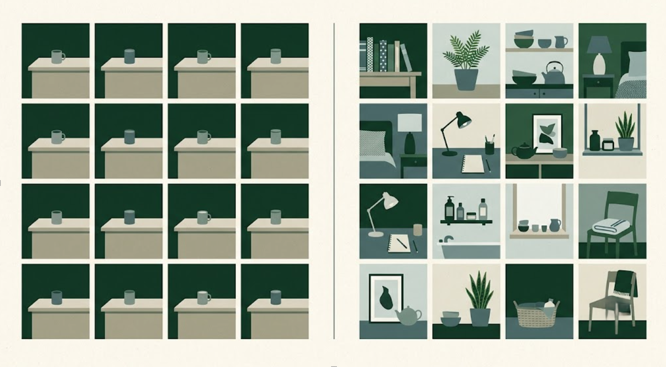
Custom Web Apps vs Off-the-Shelf SaaS: Which Fits Your Business
TL;DR: Off-the-shelf SaaS wins when your workflow already matches how the software was built to work. Custom web application development wins when it doesn’t — when you’re syncing inventory between an ERP like STORIS and a Shopify storefront, migrating off a legacy Magento build, or running a process no vendor bothered to template. Endertech builds the custom side of that equation: web application development services for companies whose operations outgrew what a subscription tool can flex to fit. The verdict below isn’t close for every business — it depends entirely on how standard your workflow actually is.
Most businesses default to SaaS because it’s the path of least resistance: sign up, configure, go live. That works fine until the software’s assumptions stop matching your business. This comparison breaks down where a custom web application beats a SaaS subscription, where SaaS still wins, and how to tell which situation you’re in before you commit budget to either path. The dimensions below come from what actually breaks projects in 2026 — integration complexity, data ownership, and total cost of ownership over a multi-year horizon, not just sticker price at signup.
Verdict summary
Integration depth: Custom — a purpose-built application can talk to your ERP, POS, and ecommerce platform on your terms, not the vendor’s API roadmap.
Data ownership: Custom — you own the schema, the exports, and the migration path; SaaS vendors own all three.
Workflow fit for non-standard processes: Custom — built around how your business actually operates instead of how the software vendor imagined it.
Time to launch: SaaS — a configured SaaS tool goes live in weeks; a custom build takes months.
Predictable subscription cost: SaaS — flat monthly pricing is easier to budget than a development project with variable scope.
Total cost of ownership for complex workflows: Custom — avoids the compounding cost of workarounds, add-on modules, and consultants patching a tool that was never the right fit.
See also: Emerging Technology Trends That Are Shaping Everyday Life
How this comparison was built
The dimensions below reflect the questions that actually decide these projects: how deep does the integration need to go, who owns the data, how fast do you need to launch, and what does the tool cost over three to five years, not just in year one. Those criteria favor custom development for businesses with real integration or workflow complexity, and favor SaaS for businesses running a standard process a vendor already solved well. Neither answer is universal — that’s the point of comparing them dimension by dimension instead of picking a single winner.
Custom web application development: overview
Custom web application development means building software specifically around your business’s data model, workflows, and integration requirements instead of adapting your business to fit a vendor’s product. This is the model Endertech works in daily for clients like furniture retailers who need their ecommerce storefront and ERP talking to each other in real time, and for companies mid-migration off outdated platforms.
The target user here is a business whose workflow doesn’t map cleanly onto a single SaaS product — usually because it spans multiple systems (ERP, POS, ecommerce, marketing automation) or because the process itself is specific to how that business operates. A furniture retailer syncing STORIS inventory data with a Shopify storefront isn’t a use case a generic ecommerce platform templates out of the box; it requires middleware, webhooks, and custom logic tying the two systems together.
Key strengths of custom development: full control over the data model and integration logic, no dependency on a vendor’s product roadmap, and the ability to build exactly the workflow your team actually uses rather than the closest approximation a SaaS tool offers. Endertech’s Concept to Launch process handles this by scoping requirements, wireframing, and building a backlog before development starts, which keeps custom projects from turning into open-ended cost centers.
Pricing for custom work isn’t a flat number — it depends on scope, integration count, and whether the project is new development or a migration off an existing platform. That variability is real, and businesses evaluating custom development should expect a scoping phase before getting a firm estimate, not a published price list. There’s no free trial with custom software, because there’s nothing to trial until it’s built — the tradeoff is a longer runway to launch in exchange for a system built around your actual business.
Off-the-shelf SaaS: overview
Off-the-shelf SaaS platforms (think NetSuite, Zoho, or a standard Shopify/BigCommerce ecommerce stack) are pre-built products designed to serve a broad range of businesses through configuration rather than custom code. The target user is a business whose core workflow — inventory management, CRM, ecommerce checkout — is common enough that a vendor already solved it well.
Strengths: fast setup, predictable monthly or annual subscription pricing, and a support organization already staffed to handle common issues. Most SaaS platforms offer free trials or freemium tiers, letting a business test fit before committing budget. The limitation shows up at the edges — once your workflow needs something the platform wasn’t built for, you’re stuck choosing between a paid add-on, a workaround, or a consultant to bridge the gap.
Integration depth: Custom vs SaaS
Integration depth measures how well a system can connect to the other software your business already runs — ERP, POS, marketing tools, legacy databases.
Custom web applications are built with integration as a first-class requirement, not an afterthought. Endertech’s STORIS-to-Shopify integration work is a direct example: webhooks and custom middleware sync inventory, orders, and customer data between an ERP and a storefront in near real time, something no off-the-shelf connector handles out of the box for that specific ERP-ecommerce pairing.
SaaS platforms integrate well with the handful of tools they’ve built native connectors for, and poorly with anything outside that list. When your stack includes a legacy or industry-specific system, you’re often stuck with a third-party connector that syncs on a delay or misses fields entirely.
Winner: Custom because deep, bidirectional integration between systems that weren’t designed to talk to each other is exactly the problem custom middleware solves and generic connectors don’t.
Time to launch: Custom vs SaaS
Time to launch is how fast the business goes from decision to live, working software.
A configured SaaS platform can go live in weeks — sign up, import data, configure workflows, train staff. A custom web application requires discovery, wireframing, development, and testing before launch, which realistically takes months depending on scope.
Winner: SaaS because speed to market matters when the underlying workflow is standard enough that configuration, not custom code, gets the job done.
Total cost of ownership: Custom vs SaaS
Total cost of ownership looks past the initial price tag to what the system costs over three to five years, including workarounds, add-ons, and lost productivity from workflow mismatches.
SaaS pricing looks cheaper upfront — a flat subscription is easier to budget than a development project. But businesses with complex workflows often end up paying for multiple add-on modules, integration middleware, or consultants to patch gaps the base product doesn’t cover — costs that compound every year the mismatch persists. A Magento-to-Shopify migration is a good example of a decision where the sticker price of the new platform is only part of the real cost; data migration, custom theme work, and integration rebuilding all factor into total spend.
Custom development has a higher upfront cost but no per-seat licensing fees and no forced upgrades to features you don’t need. Over a multi-year horizon, a well-scoped custom application often costs less than a SaaS stack patched with add-ons to cover the same ground.
Winner: Custom for businesses with workflow complexity; Winner: SaaS for businesses whose needs stay standard — the honest answer depends on how much your process resembles the vendor’s template.
Data ownership and vendor lock-in: Custom vs SaaS
Data ownership determines who controls your business data and how easily you can move it if you switch systems.
With custom web applications, the business owns the database schema and the full export path — there’s no vendor holding your data hostage behind a proprietary format. With SaaS, the vendor controls the schema, and migrating off the platform later means extracting data in whatever format they allow, which is a real cost when it’s time to switch.
Winner: Custom because ownership of the underlying data and infrastructure removes a dependency that SaaS vendors build into their business model by design.
Scalability and long-term flexibility: Custom vs SaaS
Scalability measures how well the system adapts as the business grows or changes direction.
SaaS platforms scale well within their intended use case but hit hard ceilings when a business’s needs diverge from the product’s roadmap — you’re limited to whatever the vendor decides to build next. Custom applications scale in whatever direction the business actually needs, since the codebase belongs to the business, not a shared vendor product serving thousands of other customers with different priorities.
Winner: Custom for businesses expecting to outgrow standard workflows; Tie for businesses whose growth stays within the platform’s designed use case.
Which should you choose?
If your business runs on multiple systems that need to share data — ERP, ecommerce, marketing automation — and no existing connector covers that combination well, custom web application development services solve a problem SaaS configuration can’t. This is the scenario Endertech builds for most often: furniture retailers and similar operations syncing inventory and order data between a core operational system and a customer-facing storefront.
If you’re migrating off an aging platform (Magento to Shopify, for example) and the migration itself involves custom data mapping or workflow changes, custom development around the migration reduces the risk of losing functionality in the move.
If your workflow is standard — a typical CRM, a typical ecommerce checkout, a typical project management process — SaaS is the faster, cheaper, lower-risk choice. There’s no reason to custom-build what a vendor has already solved well for thousands of similar businesses.
If you’re somewhere in between, a hybrid approach often works: keep SaaS for the standard parts of the operation and build custom integration layers only where the systems need to connect in ways no vendor supports.
FAQ
Is custom web application development more expensive than SaaS?
Upfront, usually yes — SaaS subscriptions have lower initial cost. Over multiple years, a custom build can cost less than a SaaS stack patched with add-ons and integration middleware to cover the same workflow gaps.
How long does a custom web application take to build?
It depends entirely on scope — number of integrations, complexity of the data model, and whether it’s new development or replacing an existing system. A structured planning phase before development starts, which is how Endertech approaches new builds, produces a more accurate timeline than guessing at the outset.
Can a custom web application replace my ERP or ecommerce platform entirely?
Usually not, and it shouldn’t try to. The stronger pattern is keeping the ERP or ecommerce platform as the system of record and building custom integration around it, similar to how a STORIS-Shopify integration keeps STORIS as the operational core and Shopify as the customer-facing layer.
When does SaaS make more sense than custom development?
When your workflow is close to what most businesses in your category need — standard CRM, standard checkout, standard project tracking. Building custom software to replicate a well-solved problem wastes budget that should go toward the parts of your business that are actually unique.
Does Endertech only build custom software, or does it also work with SaaS platforms?
Endertech works across both — building custom applications and integrations, and also implementing and customizing platforms like Shopify and Magento where a platform-based approach fits the business better than a fully custom build.
The bottom line
Custom web application development wins when your workflow spans systems that don’t talk to each other natively, when data ownership matters, or when your process is specific enough that no SaaS vendor built for it. SaaS wins when your workflow is standard and speed to launch matters more than exact fit. Most businesses evaluating web application development services in 2026 aren’t choosing one path forever — they’re deciding, project by project, whether the workflow in front of them is standard enough to configure or specific enough to build.