Elevator Floor Button Guide: Materials, Lighting and Replacement Tips
Passengers touch the same small part of an elevator more than any other. It is the button panel. A good elevator floor button should feel firm, show clearly that a call has been registered, stay readable for years and survive constant cleaning. When one of these things fails, people notice immediately. This guide explains what to look for, using the product information from GOTS Elevator, and gives some practical advice for building owners and technicians.
Why buttons matter more than you might think
A button is a small part, but it connects the passenger to the whole system. If it sticks, does not light up or has a worn legend, people may press it repeatedly or worry that the call was not registered. In busy public buildings such as hotels, shopping malls and hospitals, buttons are pressed thousands of times, so quality of materials and construction counts.
Models on the product page
GOTS Elevator names a few models on its push button page. The BS34C is a round button with a clear light ring that helps passengers confirm that a call has been registered, and the company says finishes and symbols can be matched to the building style. The BR27A is rectangular and is intended for panels where space is limited but visibility still matters. The BA541 has a classic form with a durable face and reliable action, and the company says it is often used as a landing button in transport hubs and malls. The page also lists A18 and A19 models, but without descriptions.
Materials and finishes
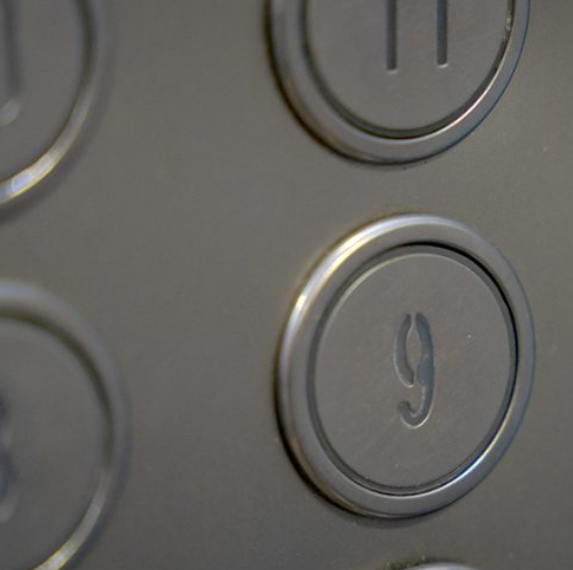
The company states that the faceplates are made of stainless steel, with finishes ranging from brushed stainless to tinted mirror. It also says the housings are designed to resist dust and the cleaning agents commonly used in public buildings. This is a practical point, because cleaning staff may wipe the panels many times a day.
When you compare buttons, ask what the faceplate is made from, how the finish is applied, and whether it will resist scratches and fingerprints in your environment.
Feel and feedback
Passengers should be able to press a button without effort, yet feel that it has responded. The page describes a firm tactile response that is not heavy, and it mentions precise return springs. A button that is too soft may be pressed twice by mistake, and one that is too stiff can be difficult for children or older passengers.
Lighting
Clear lighting helps people see that their call has registered. The company describes even illumination with either ring lighting or full surface lighting, and says lighting colors can be selected. It also mentions stable light sources. If you are replacing buttons, make sure the new lighting matches the rest of the panel, since mixed colors can look untidy.
Legends, symbols and accessibility
Numbers and symbols must stay readable. The company says its buttons use etched or raised legends so that symbols stay legible after long use, and it offers optional braille and raised numerals. Engraving and icon sets can also be customized. Tactile markings are particularly important for passengers with visual impairments, so consider them in any building open to the public. Local accessibility rules may also apply, so check what your region requires.
Replacing old buttons
Retrofit is a common reason to buy buttons. The company says its buttons are sized to fit existing panel cutouts, that adapter plates are available when needed, and that wiring options allow new buttons to replace older units. It also describes coordinated car and landing kits so that both the cabin panel and the landing panels share a consistent style.
Before ordering, measure your existing cutouts, note the type of buttons now in use, and take photographs of the panel and wiring. Ask your supplier whether the contacts suit the voltage of your controller. The page says contacts are arranged for common controller voltages, with standard contact blocks and lamp options, but it does not list specific electrical ratings. Ask for those details in writing.
Safety reminder
Work on elevator controls should be done only by qualified technicians. Never open a panel or change wiring in a live system without proper training and authorization. A wrong connection can cause faults that affect passenger safety.
A short buying checklist
Check the faceplate material and finish. Confirm the lighting style and color. Ask about tactile or braille options. Confirm fit with your existing panel. Ask for electrical specifications. Request a sample if you are replacing many buttons.
The company also lists operating panels, control boxes and landing door series among its parts and accessories, so a project that needs several components can sometimes be sourced from one place.
A good button is simple, clear and durable. When you choose with care, passengers will use the elevator without thinking twice, which is exactly the goal.