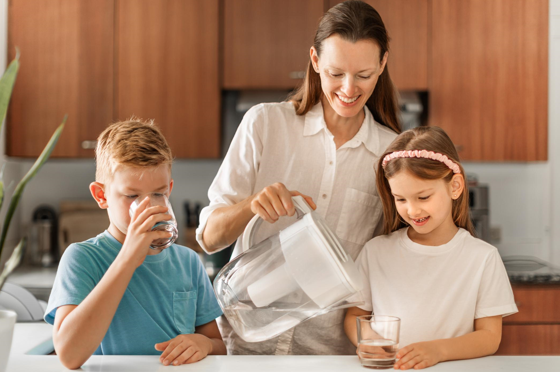
How Busy Families Can Make Drinking Water Part of Their Daily Routine
Getting everyone ready in the morning can feel like a race against the clock. Breakfast needs to be made, lunchboxes packed and school bags checked. By the time the family leaves home, drinking enough water may be the last thing on anyone’s mind.
For many parents, the problem is not knowing that water matters. It is finding ways to make it part of a busy day without adding another job to the list.
A few simple changes to the kitchen, shopping routine and family schedule can help. The goal is to make drinking water an easy choice for adults and children, whether they are at home, school or work.
Start With the Morning Routine
Mornings are often the busiest time for families. Parents may be preparing breakfast while helping younger children get dressed or looking for missing school items. Instead of treating drinking water as another task, connect it to things the family already does. Place a glass of water beside each breakfast plate. Fill reusable bottles when preparing lunchboxes. Older children can take responsibility for checking their own bottles before leaving home.
These small steps may not seem important on their own. Over time, however, they can make water a normal part of the morning rather than something everyone remembers later. Keeping clean bottles in one kitchen cupboard also saves time when the household is rushing.
See also: Emerging Technology Trends That Are Shaping Everyday Life
Make the Kitchen Easier to Use
A practical kitchen does not need expensive appliances or a complete renovation. Often, the most useful changes involve putting everyday items where people can reach them. Cups, reusable bottles and drinking water should have a clear place. For younger children, keep suitable cups at a safe height. This can help them become more independent as they grow.
Parents should also think about where the family spends the most time. If everyone gathers around the kitchen bench after school, that may be the best place to offer drinking water. Easy access matters because people are less likely to interrupt what they are doing when getting a drink feels inconvenient.
Plan Water Supplies Around Family Needs
Households vary in size, and so does the amount of drinking water they use. A family with several school-aged children may go through more water during hot weather, weekends at home or school holidays. Parents who work from home might also notice changes in daily use. Some households prefer tap water, while others choose a filtered system or delivered spring water for taste and convenience.
For families that regularly purchase large bottles, arranging water delivery may reduce the need for repeated shopping trips. Before choosing a supplier, it is worth checking delivery areas, bottle sizes, storage needs and ongoing costs. A good supply plan should suit the household rather than force everyone to change their routine.
Create Better Habits After School
The period between school and dinner can be surprisingly hectic. Children may arrive home hungry, tired or eager to start playing. Some head straight for the television, while others have homework or afternoon activities. Offering water with an after-school snack is one way to build a regular drinking habit. Put a jug or suitable bottle on the table alongside fruit, toast or another snack.
Parents can also encourage children to refill their school bottles when they get home. This creates a chance to check how much they drank during the day without making it a competition. Children develop habits at different rates. A calm reminder is usually more helpful than turning water intake into another household rule.
Use Water in Everyday Cooking
Drinking water is only one part of a family’s kitchen routine. Water is also used to wash fresh produce, cook rice, prepare vegetables and make soups. Planning meals can help parents manage their kitchen supplies and reduce last-minute work. For example, cooking a large poot of vegetable soup provides meals that can be stored for another day. Keeping a jug of drinking water on the table makes it easy for family members to pour a glass while eating.
There is no need to create complicated meal plans. A few familiar recipes, prepared with care, can make busy evenings easier. The main goal is to build a kitchen routine that works even when the family has limited time.
Learn What Different Family Members Need
People do not all need the same amount of fluid. Age, activity, weather and individual health needs can affect how much someone should drink. Children who play sport outdoors may need more fluid than they do on a quiet day at home. Adults may also need extra fluids when exercising or spending time in hot conditions. Healthdirect Australia’s information about dehydration explains that signs can include thirst, dry mouth, headaches and darker urine. It also recommends drinking enough fluids throughout the day.
Parents should follow age-appropriate health advice rather than giving everyone a fixed drinking target. Babies have different needs from older children, and medical advice is important when dehydration is suspected.
Keep Water Interesting Without Adding Sugar
Not everyone enjoys drinking plain water, especially young children who are used to sweet drinks. Families can try serving water chilled or adding fresh fruit for flavour. Lemon slices, strawberries and mint are simple options that can make a jug more appealing. Children may enjoy choosing their own reusable bottle or helping prepare flavoured water for a family meal.
The aim is not to make water seem like a special treat. It is to offer variety without relying on added sugar. Parents can also set an example by choosing water at meals. Children often learn everyday habits by watching what the adults around them do.
Avoid Unnecessary Waste
A household that uses drinking water regularly should also think about storage and waste. Buying too much bottled water can create clutter, particularly when storage space is limited. Buying too little may lead to extra shopping trips. Check how much the family uses during a normal week. This provides a starting point for choosing bottle sizes or delivery quantities.
Reusable drinking bottles and washable cups can reduce the need for single-use containers. Larger returnable water bottles may also be practical where a suitable collection and reuse service is available.
Always store drinking water according to the supplier’s instructions and keep dispensing equipment clean. A simple system is easier to maintain than a cupboard full of supplies nobody remembers purchasing.
Prepare for Changes in the Family Schedule
Family routines rarely stay the same throughout the year. School holidays, visitors, sporting events and changes in work schedules can all affect water use. During summer, children may spend more time outdoors and return home wanting a drink. At other times, the household may be away for several days and need less water than usual. Reviewing supplies before these changes can prevent unnecessary purchases.
If the family uses a delivery service, check how much notice is needed to change an order. Parents should also consider whether someone needs to be home to receive it. Planning does not require a detailed spreadsheet. A quick check of the cupboard and calendar is often enough.
Conclusion
Helping a family drink water regularly does not require strict schedules or complicated rules. Good habits often begin with simple choices made in the kitchen.
Preparing bottles before school, serving water with meals and keeping supplies organised can make busy days easier. Parents can also encourage children to take responsibility for their drinking bottles as they grow older.
Every household has different needs, budgets and routines. The important thing is to make safe drinking water easy to access throughout the day. Small, consistent habits can help families maintain a practical routine without creating extra work.