How Galvanized Anchor Rods Influence the Long-Term Stability of Structural Connections
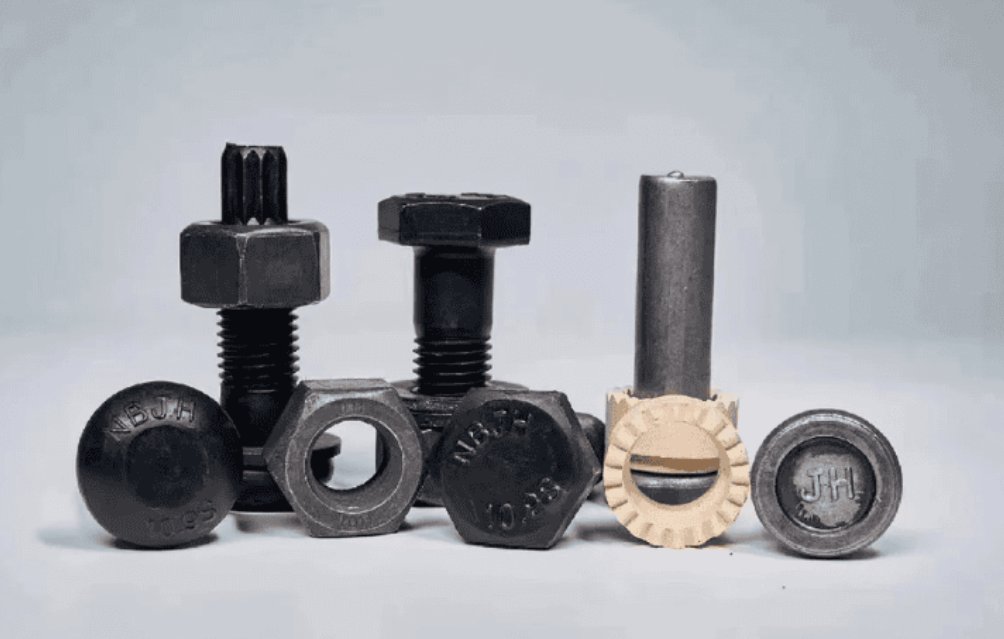
Structural connections are often judged by what can be seen after a project is completed: aligned steelwork, properly positioned equipment, secure foundations, and clean installation. Yet some of the most important components remain hidden beneath plates, inside concrete, or within connection assemblies. Anchor rods are among those components. They transfer forces between structural elements and their supporting foundations, making their material condition and installation quality important long after construction has finished. When corrosion exposure becomes a concern, galvanized anchor rods can offer a practical approach to protecting the exposed steel surface while maintaining the basic function of the connection.
The importance of these components becomes easier to understand when a structure is exposed to moisture, condensation, changing temperatures, industrial environments, or outdoor conditions. Steel does not need to fail visibly before corrosion begins affecting a connection. Threads, exposed portions, nuts, washers, and areas around the base connection can all require attention depending on the surrounding environment. A protective zinc coating can therefore become part of the overall durability strategy rather than simply an aesthetic treatment applied to the finished component.
There is also an important difference between choosing a corrosion-resistant connection and simply choosing a stronger-looking component. The anchor rod still needs to be appropriately selected, installed, aligned, tightened, and integrated with the surrounding structural system. Galvanizing addresses one part of the durability equation. The wider connection still depends on sound engineering, suitable materials, proper installation practices, and an environment-specific approach to corrosion protection.
Why the Hidden Connection Deserves More Attention
An anchor rod may occupy only a small physical area compared with a large steel column or foundation, but its position makes it structurally significant. The component can help secure a steel element to its supporting foundation and participate in transferring loads through the connection.
Because much of the assembly can become difficult to inspect after construction, material selection deserves attention before installation. A connection that is easy to access during fabrication may become considerably harder to maintain once surrounding work is complete.
This is why durability should be considered alongside structural requirements from the beginning. Choosing an appropriate protective system before installation can reduce the need to solve corrosion-related problems later.
See also: How Technology Is Changing the Professional Aesthetic Industry
What the Zinc Coating Actually Contributes
Galvanizing protects steel by placing a zinc layer between the underlying steel and the surrounding environment. The coating provides a physical barrier while zinc also has protective properties that help reduce the progression of corrosion when the coating is damaged in appropriate circumstances.
The usefulness of this protection depends on factors such as coating quality, exposure conditions, component geometry, and handling after galvanizing. It should not be treated as an unlimited shield against every corrosive environment.
For anchor assemblies, the coating can be particularly relevant on areas that remain exposed after installation. Threads, nuts, washers, and other accessible surfaces can encounter moisture and atmospheric exposure depending on the design.
Corrosion Does Not Affect Every Project in the Same Way
A connection installed inside a dry, controlled building does not experience the same conditions as one exposed to rain, coastal air, road salts, industrial chemicals, or persistent condensation.
This makes environmental assessment important. A protective treatment that is suitable for one project may require additional consideration in another.
Factors worth examining include:
- Moisture exposure
- Atmospheric conditions
- Salt or de-icing chemical exposure
- Industrial contaminants
- Temperature fluctuations
- Drainage around the connection
- Accessibility for inspection
- Expected service life
Thinking about these conditions before specifying the connection can produce a more appropriate durability strategy.
Threaded Components Require Practical Consideration
Anchor rods are not simply smooth pieces of steel. Their threaded portions interact with nuts and washers, meaning coating thickness and dimensional compatibility can matter during assembly.
This is particularly important because the connection still needs to be assembled correctly after protective treatment. Threads should not be treated as an afterthought.
Fabricators and installers need to account for the selected galvanizing process, coating requirements, thread condition, and applicable project specifications so that the finished components can be installed without unnecessary complications.
Installation Can Determine Whether Protection Performs as Intended
Even a well-protected component can experience problems if it is damaged during transportation, handling, positioning, or installation.
Improper handling can scrape or damage the coating. Poor storage can expose components to unnecessary environmental conditions before they are installed. Incorrect field practices can also create damage around threaded areas or connection surfaces.
For that reason, corrosion protection should be considered throughout the supply chain rather than only at the galvanizing facility.
Why Connection Geometry Matters
The shape and configuration of a connection influence how moisture behaves around it. Areas where water can collect or remain trapped may create conditions that are more demanding than openly exposed surfaces.
Good detailing can therefore complement the protective coating. Drainage, accessibility, surface preparation, and the relationship between connected components can all influence long-term performance.
A galvanized component does not remove the need for sensible structural detailing. Instead, it works best as one part of a broader durability approach.
Matching Protection With the Intended Service Environment
Not every galvanized connection will experience identical performance because exposure conditions vary substantially.
For example, a component protected from direct weather may face relatively mild atmospheric exposure, while an outdoor connection can experience repeated wetting and drying. Coastal or industrial locations may introduce additional corrosive agents.
The appropriate specification should therefore consider the actual environment rather than relying on a generic assumption that every project needs the same treatment.
Inspection Still Has a Role After Installation
Corrosion protection reduces exposure of the underlying steel, but inspection remains useful. Accessible portions of the connection can be checked for coating damage, mechanical damage, unusual corrosion, loose components, or other visible problems.
Inspection is particularly valuable in environments where the connection faces repeated moisture or aggressive exposure.
The purpose is not to assume that every protected component will eventually fail. It is to identify unusual conditions early enough that corrective action remains practical.
Repairs Need to Be Handled Carefully
If a galvanized surface is damaged during installation, repair should be approached according to the applicable project specification and recognized repair procedures.
Simply ignoring a damaged area can undermine the intended protective system. At the same time, an improvised repair may not provide equivalent protection.
The repair method should therefore be compatible with the original coating system and appropriate for the location, extent, and type of damage.
Why Material Selection and Coating Selection Should Work Together
A durable connection begins with choosing an appropriate base material and then determining how that material should be protected.
The anchor rod needs to satisfy the structural requirements established by the project engineer. The corrosion-protection strategy then needs to account for the environmental exposure and the physical configuration of the assembly.
Treating these decisions separately can create unnecessary problems. A connection may have excellent structural characteristics but inadequate durability planning, or it may have a useful protective coating without satisfying the project’s engineering requirements.
Fabrication Quality Remains Important
Protective coatings cannot compensate for poor fabrication.
Dimensions, thread quality, straightness, identification, material certification, and other fabrication requirements still need to be controlled. The coating should be considered an additional layer of protection rather than a substitute for manufacturing quality.
This becomes especially important when components are produced for large projects involving numerous connection points. Consistency between individual rods can simplify installation and inspection.
Transportation Is Part of the Protection Strategy
The period between galvanizing and installation is easy to overlook. Components may be bundled, transported, unloaded, stored, and moved several times before reaching their final position.
Every additional handling stage creates another opportunity for physical damage.
Clear identification, suitable storage, careful lifting, and appropriate protection during transportation can help preserve the condition of the finished coating until the component reaches the construction site.
Why Long-Term Thinking Matters
The initial cost of a protective treatment is only one part of the decision. Maintenance accessibility, environmental exposure, expected service life, inspection requirements, and potential repair work can all influence the overall value of a connection strategy.
A component that requires less attention over its intended service period can have advantages beyond its initial purchase price.
This is particularly relevant for structures where access to the foundation connection may become difficult after surrounding construction is completed.
A Better Way to Evaluate Anchor Rod Durability
Rather than asking whether a particular coating is simply “good” or “bad,” project teams can consider several connected questions.
Start With the Environment
Determine what the component will actually experience during service.
Examine the Connection
Identify which surfaces will remain exposed and where moisture could accumulate.
Consider Assembly
Make sure the protective treatment is compatible with the threaded connection and installation requirements.
Plan for Handling
Consider how components will be stored, transported, and installed without unnecessary coating damage.
Think About Inspection
Determine which parts of the finished connection can realistically be examined during maintenance.
This approach creates a more complete picture of durability than focusing only on the coating itself.
When Protection Becomes Part of the Design Philosophy
The strongest durability strategies do not treat corrosion protection as something added at the end of a project. They incorporate it into the original connection concept.
That means the engineer, fabricator, galvanizer, supplier, and installer may all have roles in achieving the intended result. Each stage can affect the final condition of the component.
When these stages are coordinated, the protective system is more likely to complement the structural design rather than create unexpected installation issues.
Final Thoughts
The importance of an anchor rod is easy to underestimate because much of the component can disappear from view once a structure is complete. Yet the connection remains part of the load path and can be exposed to environmental conditions throughout the structure’s service life. Selecting an appropriate protective system can therefore be an important part of long-term connection planning, especially where moisture and atmospheric corrosion are significant considerations.
Galvanizing should not be viewed as a replacement for proper engineering or installation. Its real value comes from working alongside appropriate material selection, sound detailing, controlled fabrication, careful handling, correct installation, and reasonable inspection practices. When these elements are considered together, the protective coating becomes part of a larger durability strategy rather than an isolated manufacturing step.
For project teams, the most useful question is ultimately not whether a galvanized finish looks appropriate, but whether the complete connection has been designed around its actual environment and expected service conditions. Galvanized anchor rods can contribute meaningful corrosion protection, but their long-term performance depends on the quality of the entire system surrounding them. A thoughtful approach from specification through installation can make a small hidden component a much more reliable part of the finished structure.