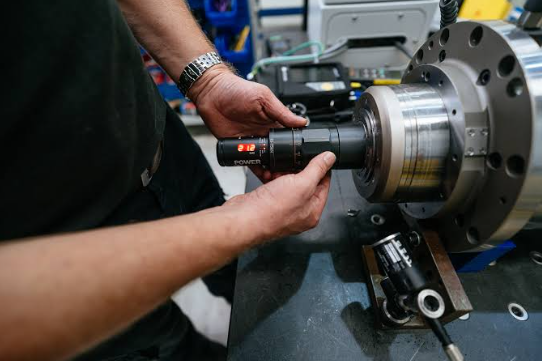
Identifying and Preventing Common CNC Spindle Issues
The spindle is one of the most important components in a CNC machine. It provides the rotational force needed for cutting, drilling, engraving, milling, and other machining operations. Because the spindle operates under mechanical, electrical, and thermal stress, problems can eventually develop if the equipment is overloaded, poorly maintained, incorrectly installed, or operated outside its recommended specifications.
Recognizing warning signs early can help operators investigate issues before they result in extended downtime or unnecessary component damage. Common symptoms can include unusual noise, excessive vibration, overheating, reduced cutting performance, tool runout, or unexpected changes in spindle speed.
Understanding common CNC spindle motor problems allows machine operators and maintenance teams to approach inspections in a more structured way.
Unusual Spindle Noise
One of the easiest warning signs to notice is a change in sound.
A properly operating spindle should produce a relatively consistent operating sound appropriate to its speed and machining conditions. A new grinding, rattling, buzzing, or squealing noise may indicate that something requires attention.
Possible causes can include:
- Bearing wear
- Tool imbalance
- Loose components
- Incorrect installation
- Contamination
- Mechanical damage
Noise alone does not identify the exact cause, so further inspection is necessary.
See also: Emerging Technology Trends That Are Shaping Everyday Life
Excessive Vibration
Vibration can affect machining accuracy, surface finish, tool life, and spindle components.
One potential source is an improperly balanced tool or tool holder. Another possibility is mechanical wear inside the spindle.
Before assuming that the spindle itself has failed, operators should inspect the complete setup. Workholding, tooling, mounting, and cutting parameters can all contribute to vibration.
If vibration appears suddenly or becomes progressively worse, the machine should be inspected rather than continuing normal production without investigation.
Overheating
Heat is another important warning sign.
Spindles generate heat during operation, particularly at high speeds or under heavy loads. Cooling systems are designed to manage this heat, but insufficient cooling can result in elevated operating temperatures.
Potential causes include:
- Blocked airflow
- Cooling-system problems
- Excessive workload
- Incorrect operating parameters
- Bearing problems
- Environmental temperature
Operators should follow the spindle manufacturer’s recommended temperature and cooling requirements.
Loss of Cutting Performance
A spindle may appear to be operating while the machine produces weaker or inconsistent cutting performance.
This can happen for several reasons. Tool wear, incorrect cutting parameters, insufficient torque, electrical issues, or mechanical problems can all affect machining results.
A gradual decline may be associated with normal tool or component wear, while a sudden change deserves more immediate investigation.
Checking the tooling and cutting parameters first can help separate a machining issue from a spindle issue.
Reduced or Unstable Speed
If the spindle does not maintain the expected speed, the cause may involve the motor, drive system, electrical supply, controller, or machine settings.
Before replacing components, verify that the commanded speed and actual operating conditions correspond.
Electrical connections should also be inspected by appropriately qualified personnel when necessary.
The drive or inverter may provide useful diagnostic information depending on the CNC system.
Tool Runout
Runout occurs when the rotating tool does not maintain the intended alignment around its axis.
Excessive runout can result in uneven cutting, poor surface finish, increased tool wear, and dimensional inconsistencies.
Possible causes include:
- Damaged collets
- Incorrect tool installation
- Contamination
- Worn tool holders
- Spindle-related mechanical wear
A measurement-based inspection can help determine whether the source is the tooling assembly or spindle.
Bearing Wear
Bearings support rotating spindle components and are subject to continuous mechanical stress.
Over time, wear may appear through increasing noise, vibration, heat, or changes in spindle accuracy.
Bearing problems should not be ignored because continued operation under abnormal conditions can potentially cause additional damage.
The correct service procedure depends on spindle construction. Some spindle designs require specialist repair rather than routine user-level maintenance.
Cooling System Problems
Air- and liquid-cooled spindle systems have different maintenance requirements.
For air-cooled systems, restricted airflow can reduce cooling effectiveness. For liquid-cooled systems, circulation, coolant condition, hoses, and connections may need inspection.
Maintenance should follow the equipment manufacturer’s recommendations.
Keeping the cooling system clean and functional is especially important during extended operating periods.
Electrical Problems
Not every spindle issue is mechanical.
Electrical problems can involve wiring, connectors, drives, power supply, grounding, or control signals. Symptoms may include unexpected shutdowns, unstable speed, alarms, or failure to start.
Because electrical troubleshooting can involve hazardous voltages, inspection and repair should be handled by qualified professionals where appropriate.
Incorrect Installation
A spindle can experience problems when it has not been installed correctly.
Mounting alignment, electrical configuration, cooling connections, tooling setup, and machine compatibility all matter.
Even a properly manufactured spindle may perform poorly if installed outside its specified requirements.
Installation documentation should therefore be reviewed whenever a spindle is replaced or moved to another CNC machine.
Operating Conditions Matter
Machining parameters have a direct effect on spindle load.
Excessive cutting depth, unsuitable feed rates, inappropriate tooling, or continuous operation beyond the spindle’s intended duty cycle can increase stress.
Operators should select cutting parameters according to the material, tool, machine capability, and manufacturer’s recommendations.
Preventive Maintenance
Preventive maintenance can help identify developing issues before they become serious.
A practical inspection routine may include checking:
- Operating temperature
- Noise
- Vibration
- Cooling performance
- Tool-holder condition
- Electrical connections
- Mounting security
- Cutting performance
Keeping a record of these observations can make it easier to recognize gradual changes.
When Professional Inspection Is Needed
Some spindle problems require specialized equipment and technical knowledge.
Professional inspection may be appropriate when there is severe vibration, persistent overheating, bearing failure, significant runout, repeated electrical faults, or unexplained performance changes.
Continuing to operate a machine despite serious warning signs can increase the possibility of additional component damage.
FAQs
1. What are common warning signs of spindle problems?
Unusual noise, excessive vibration, overheating, speed instability, increased runout, reduced cutting performance, and cooling problems can all indicate that inspection may be necessary.
2. Can vibration always be blamed on the spindle?
No. Tool imbalance, workholding, machine rigidity, cutting parameters, and mounting conditions can also cause vibration. A systematic inspection is useful for identifying the actual source.
3. When should a spindle be professionally inspected?
Professional inspection is appropriate when problems persist after basic checks or when there is significant overheating, vibration, bearing noise, runout, or electrical malfunction.
Conclusion
CNC spindle issues can have mechanical, electrical, thermal, tooling, or operational causes. Identifying symptoms early gives maintenance teams an opportunity to investigate before a minor issue develops into costly downtime.
Regular inspection, appropriate operating parameters, effective cooling, proper tooling, and manufacturer-recommended maintenance all contribute to reliable spindle operation. When serious or unexplained symptoms occur, qualified technical service can help determine the underlying cause and appropriate repair approach.