Medical Illustrations and Animations for Precision Healthcare
Modern healthcare increasingly focuses on understanding each patient’s individual condition and selecting treatments based on specific clinical needs. As diagnostic technologies and therapeutic approaches become more sophisticated, healthcare professionals need effective ways to communicate complex medical information. Medical illustrations and animations help bridge this gap by turning intricate biological processes, diagnostic findings, and treatment mechanisms into clear visual explanations.
Unlike general-purpose graphics, medical visuals are developed around scientific accuracy and a defined communication objective. They can explain how a disease affects a particular organ, demonstrate how a treatment works, or show why a procedure may be appropriate for one patient but not another. Their value lies in making complex information easier to understand without compromising essential clinical details.
Visualizing Individual Anatomy and Disease
Precision healthcare depends on understanding the differences between patients, including variations in anatomy, disease progression, and treatment response. Medical illustrations can clarify these differences by highlighting specific structures, affected tissues, and pathological changes.
For example, a detailed illustration https://scientific-illustrations.com/portfolio/medical-illustrations may show how a tumor relates to nearby blood vessels or organs. A sequence of images can compare healthy tissue with tissue affected by disease, helping clinicians explain the condition and discuss potential treatment strategies. Such visuals can complement medical imaging by adding labels, simplified anatomical context, and carefully selected details that may not be immediately apparent in a diagnostic scan.
Three-dimensional models offer further opportunities to communicate complex spatial relationships. They can help illustrate anatomical variations, explain the location of a lesion, or demonstrate how a planned intervention relates to surrounding structures. These representations do not replace diagnostic imaging or clinical judgment. Instead, they provide an additional layer of explanation that can make clinical information more accessible.
Explaining Personalized Treatments Through Animation
Medical animation is particularly useful when a treatment involves processes that cannot be observed directly. Static images can show structures and relationships, while animation can demonstrate change over time, movement through the body, or interactions at a cellular and molecular level.
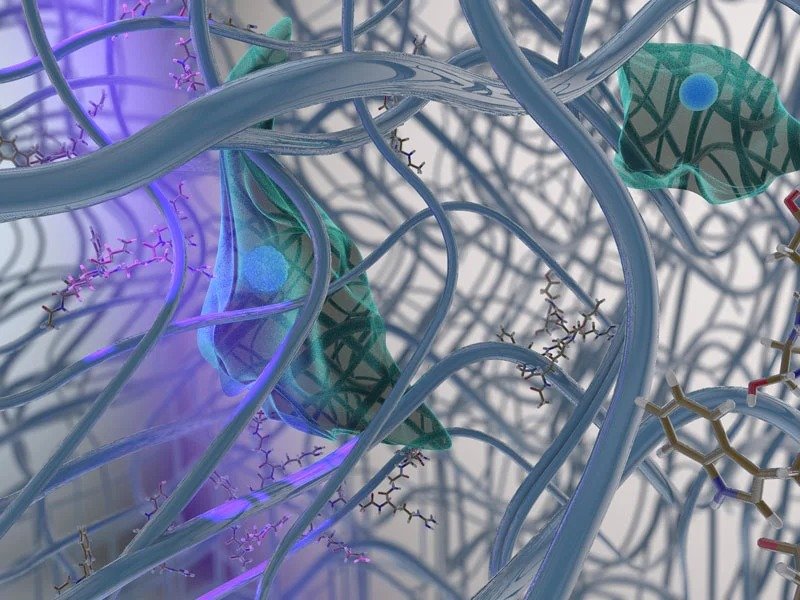
In personalized medicine, animations can explain how a targeted therapy interacts with a specific biological pathway, how a drug reaches its intended site of action, or how a medical device performs a particular function. These visual sequences can make mechanisms of action easier to follow for healthcare professionals, patients, and research audiences.
Animation https://scientific-illustrations.com/portfolio/animation also supports communication about treatment procedures. A carefully designed sequence can show the stages of an intervention, identify the structures involved, and explain the purpose of each step. For patients, this may reduce uncertainty and help them prepare informed questions for their healthcare team.
The level of detail should reflect the audience. Scientific and clinical professionals may require precise terminology and more complex visual information. Patients generally benefit from a simpler narrative that emphasizes the diagnosis, treatment goals, potential benefits, and relevant risks.
Designing Visuals for Clinical Accuracy
The effectiveness of medical illustrations and animations depends on more than technical quality. Every visual decision should support scientific accuracy and the intended message. Incorrect proportions, misleading colors, exaggerated effects, or unclear sequences can create misconceptions, even when the overall presentation looks professional.
A reliable production process begins with reviewing the scientific evidence and defining the communication objective. Medical illustrators work with clinicians, researchers, and subject-matter experts to verify anatomical structures, biological mechanisms, terminology, and procedural details. Reference materials may include peer-reviewed research, clinical documentation, diagnostic images, and expert feedback.
The team must also decide which information to emphasize. Showing every available detail can overwhelm viewers, while excessive simplification may distort the underlying science. The goal is to retain the details that matter for understanding a diagnosis, treatment, or biological process and remove visual distractions that do not serve that purpose.
This balance is especially important when visuals are used to explain emerging therapies. If evidence is preliminary or a mechanism remains uncertain, the illustration should not imply a level of certainty that the research does not support.
Accessibility and Patient Understanding
Personalized healthcare is most effective when patients can participate meaningfully in decisions about their care. Medical illustrations and animations can support this process by presenting unfamiliar information in a format that is easier to discuss and revisit.
Visual explanations can be adapted for different levels of health literacy, languages, and learning preferences. Clear labels, consistent visual conventions, readable text, and well-paced animation help viewers follow the main message. Captions and accompanying written explanations can make video content more accessible, while alternative formats may support people who cannot easily use particular visual media.
These materials should encourage conversation rather than replace it. A patient-facing animation, for instance, can introduce a treatment process, but a healthcare professional still needs to explain how the information applies to the individual, including uncertainties, alternatives, and possible risks.
Measuring the Value of Medical Visualization
Healthcare organizations should assess visual communication by considering whether it achieves its intended purpose. For educational materials, this may involve testing whether learners can identify anatomical structures or explain a biological mechanism after viewing the content. For patient resources, feedback can reveal whether the information is understandable, relevant, and useful during clinical discussions.
Engagement metrics alone are not sufficient. A visually impressive animation may attract attention without improving comprehension. Evaluation should therefore consider learning outcomes, clarity, factual accuracy, and the ability of viewers to retain or apply the information.
Medical illustrations and animations are most valuable when they form part of a broader communication strategy, connecting scientific evidence with practical understanding.
Conclusion
As healthcare becomes more personalized, the need to explain complex medical information clearly continues to grow. Medical illustrations and animations help clinicians communicate individual anatomical features, demonstrate treatment mechanisms, and make advanced therapies easier to understand. When developed through scientific collaboration and evaluated for accuracy and accessibility, these visual tools can strengthen medical education, support informed patient discussions, and improve the communication of precision healthcare.