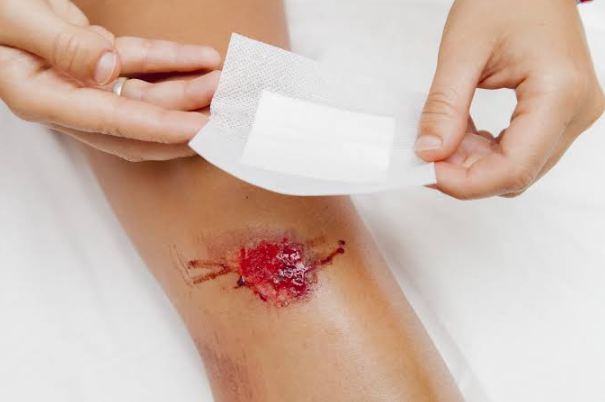
Practical Considerations for Managing Severe External Bleeding
Severe external bleeding requires prompt attention because significant blood loss can become life-threatening. Whether an incident happens at a worksite, during travel, at a sporting event, or in a remote environment, preparedness helps responders act without unnecessary delay. A good emergency plan combines first-aid training, accessible supplies, communication procedures, and a clear understanding of when professional medical assistance is required.
Specialized dressings may be included in bleeding-control kits, but their selection should be based on intended use, product labeling, and the training level of the people expected to use them. Understanding how these supplies fit into a wider response plan is essential for organizations that purchase or maintain emergency equipment.
Recognizing a Serious Bleeding Emergency
Heavy bleeding may be visible immediately, or it may become apparent as clothing or dressings become saturated. Other warning signs of a serious injury can include pale or clammy skin, weakness, confusion, rapid breathing, or reduced responsiveness. These symptoms require urgent attention and should not be ignored.
Call local emergency services when bleeding is severe or the injury appears life-threatening. Follow instructions from the emergency dispatcher and use first-aid measures that match your training. Do not put yourself at risk while trying to reach an injured person.
The Role of Specialized Gauze
Emergency bleeding-control products are designed for specific applications. Standard gauze can help absorb blood and support direct pressure, while hemostatic dressings are intended to assist clotting as described in their product instructions.
A kaolin gauze for bleeding control is one option that purchasing teams may evaluate when assembling suitable emergency kits. The exact product must be assessed using its labeling, approved indications, packaging, and instructions. A product’s name alone is not enough to establish that it is suitable for every wound or situation.
Kaolin is used in certain hemostatic products to support the body’s clotting process. However, different products may have different designs and directions for use. Responders should never assume that all dressings are applied in the same way.
See also: Emerging Technology Trends That Are Shaping Everyday Life
Building a Consistent Supply System
Organizations often focus on purchasing equipment but overlook the systems needed to maintain it. A dependable supply program should address the full product lifecycle, from supplier evaluation to storage, inspection, replacement, and documentation.
Establishing requirements
Begin by identifying the environment, likely hazards, number of people served, and level of responder training. This information helps define which products are appropriate and how many kits should be available.
Verifying product information
Before placing an order, request current specifications and instructions for use. Confirm the manufacturer’s identity, product model, packaging configuration, storage requirements, shelf life, and relevant quality or regulatory documentation.
Planning storage
Follow the stated temperature and environmental conditions. Avoid storing sterile medical products where packaging may be crushed, punctured, exposed to moisture, or otherwise damaged. Vehicles and outdoor locations may need additional checks because their conditions can change substantially.
Maintaining stock
Use a written inventory record that includes product name, quantity, lot or batch information where applicable, expiration date, and inspection status. Replace expired, damaged, or opened sterile supplies according to product instructions and organizational policy.
Training Is as Important as Equipment
Emergency supplies should be selected alongside an appropriate training program. Staff members should know how to identify a serious injury, contact emergency services, locate the relevant kit, and follow recognized first-aid procedures.
Training should be practical and suited to the environment. A remote work team may need a communication plan for contacting help when mobile coverage is limited. A large facility may need designated responders and a process for guiding ambulance personnel to the correct entrance.
Refresher sessions can help staff remain familiar with the equipment they may encounter. Training records also allow organizations to identify when additional instruction is needed.
Comparing Suppliers Responsibly
When reviewing suppliers, consider consistency, transparency, and after-sales support. Ask for written specifications rather than relying entirely on photographs or brief product descriptions. If purchasing for a regulated setting, verify the documents required by the relevant local authority and destination market.
For bulk orders, confirm carton quantities, minimum order requirements, lead times, shipping conditions, and how defects or damaged shipments will be handled. Where appropriate, establish an incoming inspection process before products are distributed to individual kits.
Price matters, but it should be considered alongside quality assurance, traceability, and suitability. A low purchase price may not represent good value if the product does not meet the organization’s requirements or arrives with inadequate documentation.
Reviewing Emergency Readiness
An emergency plan should be reviewed periodically and after significant incidents. Ask whether responders could find supplies quickly, whether the communication procedure worked, and whether replacement stock was available. Document lessons learned and assign responsibility for follow-up actions.
The aim is not simply to own emergency products. It is to maintain a system in which the right equipment is accessible, users understand its intended purpose, and professional medical care can be activated promptly.
FAQs
1. Is kaolin gauze the same as ordinary wound gauze?
No. Kaolin-based hemostatic gauze is designed to help support clotting, while ordinary gauze generally absorbs blood and supports pressure. Always check the specific product’s instructions and intended use.
2. Can specialized gauze be used for every bleeding injury?
No. Product indications and application methods vary. Follow the manufacturer’s instructions and recognized first-aid training, and seek emergency medical care for severe bleeding.
3. What should organizations verify before buying bleeding-control supplies?
They should review product specifications, packaging, shelf life, storage requirements, traceability, quality documentation, and suitability for the intended users and market.
Conclusion
Effective bleeding-control preparedness depends on a combination of suitable medical supplies, verified product information, trained responders, and routine inventory management. Organizations should build their emergency supply programs around actual risks and documented product requirements. A structured approach helps reduce confusion and supports a faster, more coordinated response when serious bleeding occurs.