How to Balance Protection and Style in Everyday Outerwear
Most people don’t choose a jacket for a single dramatic moment. They choose it for the walk to the train, the wait at a bus stop, the short dash between the car and the office door. Everyday outerwear has to survive dozens of small, unremarkable moments in a row, and that’s a much harder test than a single big adventure.
The problem is that “protective” and “stylish” often get treated as opposite ends of a spectrum, as if a jacket has to sacrifice one to gain the other. That’s rarely true. The jackets that actually earn a permanent spot in a rotation tend to do both at once, quietly, without making a big deal of it. This article looks at how to spot that balance and choose outerwear that holds up on a rainy Tuesday just as well as it does on a night out.
Why the Trade-Off Feels Real (Even When It Isn’t)
Part of the reason protection and style feel like competing priorities is that a lot of purely functional outerwear is designed for extremes: mountain shells, industrial workwear, heavy-duty rain gear. These pieces are built to perform in conditions most people never actually face on a daily commute, and the styling reflects that: bulky panels, reflective strips, oversized zippers.
On the other end, plenty of fashion-forward jackets are cut from thin fabric with no real weather resistance, because they’re designed to be worn from car to venue, not through an actual storm.
Everyday outerwear sits in the middle, and it’s a much smaller, more specific category than either extreme. It doesn’t need to survive a blizzard, but it does need to handle wind, occasional rain, and enough temperature swing to get through a full day.
Start With Fit, Not Fabric
Before worrying about weatherproofing or materials, fit is what determines whether a jacket looks intentional or accidental. A jacket can be technically excellent and still look wrong if the shoulders sit too wide or the sleeves bunch up at the wrist.
A few fit checks that matter more than most people realize:
- The shoulder seam should sit at the edge of your actual shoulder, not halfway down your arm.
- There should be enough room to layer a sweater underneath without the jacket pulling across the back.
- The hem should hit at a length that doesn’t cut awkwardly across the hips.
Getting fit right does more for the overall look of a jacket than any material upgrade. A well-fitted mid-range jacket will almost always look better than an expensive one that doesn’t sit right.
Materials That Do Double Duty
Some fabrics are naturally suited to doing both jobs: protecting against the weather and looking deliberate rather than purely utilitarian.
Waxed or Coated Cotton
Waxed cotton has a slightly worn, lived-in look that reads as intentional rather than sporty, while still shedding light rain and blocking wind effectively. It’s a strong middle-ground choice for anyone who wants weather resistance without a technical, outdoorsy appearance.
Leather
Leather has stayed relevant in everyday wardrobes for one simple reason: it looks better as it ages, not worse. A well-treated leather jacket resists wind almost completely and handles light drizzle without issue, all while developing a texture over time that most synthetic fabrics can’t replicate. It also transitions easily between casual and slightly dressed-up settings, which matters when a jacket needs to work for more than one type of day. For colder or wetter commutes, a leather jacket with hood adds an extra layer of everyday protection without requiring a separate rain shell.
Wool Blends
For colder climates, a wool-blend overcoat or jacket offers warmth and a polished look, though it typically needs a separate rain layer for wetter conditions. It’s a strong option for anyone whose daily routine involves more structured environments, like an office, where a technical shell would feel out of place.
Details That Protect Without Looking Technical
The details that make a jacket genuinely useful don’t have to make it look like outdoor gear. A few quiet design choices go a long way:
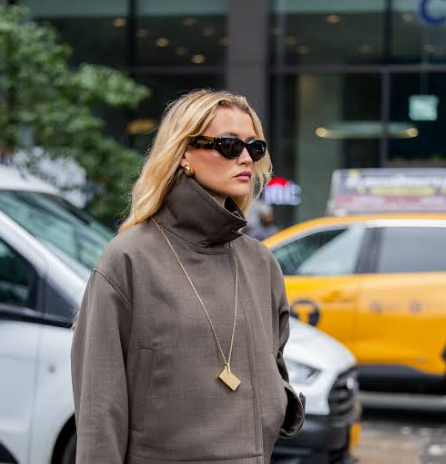
- A slightly higher collar that can be turned up against wind without needing a scarf
- Interior pockets that keep a phone or wallet secure and dry
- Snap or button closures at the cuffs to block cold air without relying on bulky elastic
Brands that understand this middle ground tend to hide function inside classic silhouettes rather than advertising it. A resource like The Leather Coats is a useful reference point for seeing how weather-ready details, from reinforced stitching to interior lining choices, can sit inside a jacket that still reads as timeless rather than technical.
Color and Texture Do More Work Than People Expect
Style in outerwear isn’t only about cut. Color and texture influence how “protective” or “polished” a jacket looks, independent of what it’s actually made of.
- Darker, matte finishes tend to read as more versatile and less casual than bright or glossy fabrics.
- Textured materials, like waxed canvas or grained leather, hide wear and light staining better than smooth, flat fabrics.
- Neutral tones pair more easily with existing wardrobe pieces, which matters when a jacket needs to work with several outfits rather than just one.
Choosing a slightly more textured, neutral jacket over a flat, brightly colored one often means less visible wear over time, which keeps the jacket looking sharp for longer without any extra effort.
Building a Rotation Instead of Relying on One Jacket
Trying to find a single jacket that handles every weather condition and every occasion usually ends in compromise. A more practical approach is building a small rotation, where each piece is allowed to specialize slightly.
A simple everyday rotation might include:
- A leather or waxed cotton jacket for cooler, drier days and evening wear
- A lightweight water-resistant shell for unpredictable, wetter days
- A heavier wool or insulated coat for genuinely cold weather
This kind of rotation avoids the common mistake of buying one “do everything” jacket that ends up doing nothing particularly well. It also spreads out wear, which extends the life of each individual piece. This pairs naturally with general guidance on building a wardrobe around fewer, more versatile pieces rather than constantly buying new items for each situation.
Independent groups that study clothing durability and consumer satisfaction consistently note that people report higher long-term satisfaction with a smaller number of well-chosen, versatile pieces than with a larger wardrobe of narrowly specialized items. That pattern holds particularly well for outerwear, since it gets worn more often and in a wider range of conditions than almost anything else in a closet.
FAQ
FAQ 1: Can a jacket really be both protective and stylish?
Yes. The key is choosing materials and design details that serve a function without visually signaling “technical gear,” such as waxed cotton, leather, or wool blends with quiet weatherproofing features.
FAQ 2: What should I prioritize first when buying everyday outerwear: fit or fabric? Fit first. A well-fitted jacket in a decent fabric will look and perform better than a poorly fitted jacket made from premium material.
FAQ 3: Is leather practical for daily wear in unpredictable weather?
Generally yes. Leather handles wind and light rain well and holds up to frequent use better than many synthetic alternatives, though it should be conditioned periodically to maintain water resistance.
FAQ 4: How many jackets do I actually need for everyday use?
Most people are well covered with two to three jackets that each specialize slightly: one for mild, dry days, one for wetter conditions, and one for genuinely cold weather.
FAQ 5: Do darker colors really make outerwear more versatile?
Yes. Darker, neutral tones pair more easily with existing clothing and tend to hide everyday wear better than bright or light-colored fabrics.
See also: The No-BS Guide to Setting Up a Reproducible Dev Environment with the Nix Toolkit
Conclusion
Protection and style were never actually opposites; they just get treated that way when outerwear is designed for extremes instead of everyday life. Once fit, fabric, and a few quiet functional details are dialed in, a jacket can handle wind, rain, and a full day of wear without ever looking like it’s trying too hard. The next time a jacket feels like it’s forcing a choice between looking good and staying warm and dry, it’s worth remembering that the best options rarely ask you to choose at all.