The Importance of Professional Web Design for Local Businesses
A business website is often the first place potential customers go when they want to learn about a company. For small businesses and nonprofit organizations, a well-designed website can create credibility, communicate important information, and encourage visitors to take action. In competitive local markets such as Charleston and the surrounding communities, a professional online presence can make a meaningful difference.
Modern web design involves much more than choosing attractive colors and adding photographs. A successful website combines visual presentation, usability, mobile responsiveness, search engine visibility, clear messaging, and fast performance. When these elements work together, a website becomes a useful business asset rather than simply an online brochure.
Building Trust Through Website Design
Visitors often form an opinion about a business within seconds of arriving on its website. An outdated layout, confusing navigation, or poor-quality images can make a company appear less professional, even when its actual products or services are excellent.
A clean and organized design creates a stronger first impression. Consistent branding, readable typography, high-quality images, and clear navigation help visitors understand what a business offers without unnecessary effort.
Trust is particularly important for local businesses. Customers may be comparing several companies before making a purchase or requesting a service. A professional website gives them an opportunity to learn about the company, understand its services, review contact information, and decide whether it appears suitable for their needs.
Mobile Responsiveness Is Essential
Many people now access websites using smartphones and tablets. A website that works well only on a desktop computer can create unnecessary frustration for mobile visitors.
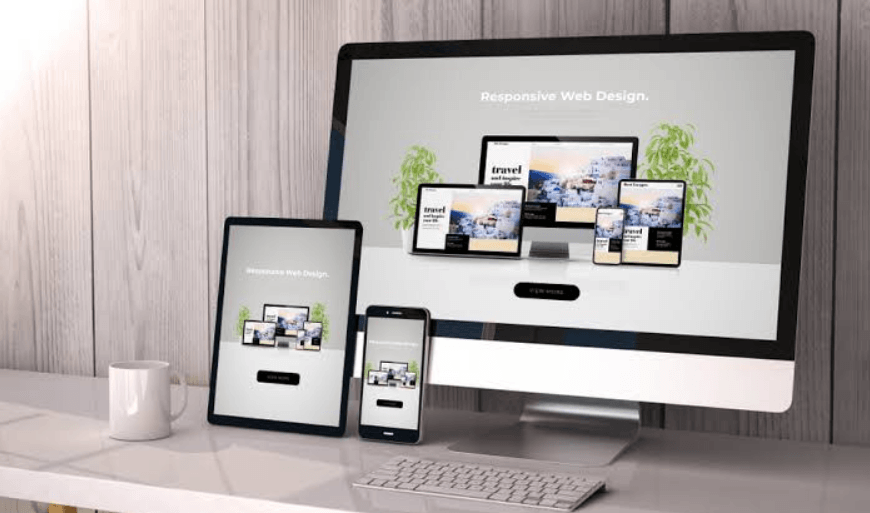
Responsive web design allows a website to adjust its layout according to the visitor’s screen size. Text remains readable, buttons are easier to use, images adapt to available space, and navigation becomes more convenient.
For local businesses, mobile performance can be especially important because customers frequently search for nearby services while they are away from home. A potential customer looking for a restaurant, contractor, professional service, or retail business should be able to quickly find essential information from a phone.
Website Speed and User Experience
Website performance influences how visitors interact with a site. Slow-loading pages can discourage people from exploring additional content or completing an inquiry.
Large images, unnecessary scripts, outdated plugins, and poorly configured hosting can all contribute to slow performance. A modern website should be designed with efficient page loading in mind.
User experience also includes navigation and content organization. Visitors should not have to search through multiple pages to find basic information such as services, business hours, location, contact details, or pricing information.
A simple navigation structure can make the entire website easier to use. Clear headings and logically organized pages help visitors find what they need while also making the site easier for search engines to understand.
The Connection Between Web Design and SEO
Search engine optimization and web design are closely connected. SEO is not limited to keywords and blog articles. Technical structure, mobile usability, page speed, headings, internal links, metadata, and content organization can all contribute to search visibility.
A well-structured website gives search engines clearer information about the business and its services. Local businesses can also benefit from location-specific content that explains the areas they serve.
For companies interested in professional web development and digital marketing, websitedesignercharleston.com provides a relevant resource for businesses seeking website and online marketing services in the Charleston area.
Local Visibility Matters
A small business does not necessarily need to compete with companies across the entire country. Its primary audience may be concentrated in a particular city, county, or service area.
Local website content can help communicate where a business operates. Service pages can mention relevant communities naturally, while location-specific information can help potential customers determine whether a company serves their area.
For example, a Charleston-area service provider may want its website to clearly communicate its connection to Charleston, Summerville, Mount Pleasant, North Charleston, or other nearby communities where it operates.
Local relevance should remain natural. Excessive repetition of city names can make content difficult to read and may create a poor experience for visitors.
Websites Should Support Business Goals
A website should have a clear purpose. Depending on the organization, that purpose may involve generating phone calls, receiving contact forms, selling products, scheduling appointments, collecting donations, or encouraging visitors to request additional information.
Calls to action can guide visitors toward these objectives. A service company may use buttons such as “Request a Quote” or “Contact Us,” while a nonprofit may focus on donation and volunteer opportunities.
Effective web design places these actions where visitors can easily find them without making the website feel overly promotional.
E-Commerce for Local Companies
Online selling has created additional opportunities for small businesses. An e-commerce website can allow a company to sell products beyond its physical location and provide customers with a convenient purchasing experience.
A successful e-commerce website needs more than product listings. Product photographs, descriptions, pricing, checkout functionality, payment options, shipping information, and customer support all contribute to the overall experience.
Security is another important consideration. Customers need confidence that their personal and payment information is handled appropriately.
For businesses planning to expand their online sales, professional web design can provide a foundation for creating an organized and user-friendly shopping experience.
See also: Why Professional Corporate Transport Matters for Growing Businesses
Social Media and Website Integration
Social media can help businesses connect with customers, but a website remains an important central resource. Social platforms are useful for sharing updates, promotions, photographs, announcements, and other content.
A website provides more control over business information and allows organizations to create detailed service pages, product pages, articles, and contact resources.
Connecting social media with a website can create a consistent online presence. Businesses can encourage visitors to follow their social accounts while using social platforms to direct interested users back to their website.
Websites for Nonprofit Organizations
Nonprofits have unique website requirements. Their websites often need to communicate their mission, explain programs, provide information about events, recruit volunteers, and accept donations.
Clear storytelling can help visitors understand why the organization exists and how its work benefits the community. Photographs, testimonials, impact information, and straightforward donation options can make the website more engaging.
A nonprofit website should also make important information easy to locate. Visitors may arrive looking for volunteer opportunities, upcoming events, contact details, or ways to contribute. Simple navigation can make these actions more accessible.
Long-Term Value of Professional Web Design
A website should be viewed as an ongoing business asset rather than a one-time project. Businesses grow, services change, products are added, and customer expectations evolve.
Regular updates help keep website information accurate and relevant. Technical maintenance can also protect performance and security while ensuring that important features continue working correctly.
A professionally developed website provides a foundation that can evolve with the organization. New landing pages, service areas, e-commerce features, content, and marketing campaigns can be added as business needs change.
Conclusion
Professional web design plays an important role in the success of local businesses and nonprofit organizations. A strong website can build trust, improve user experience, support local SEO, generate inquiries, promote products, and communicate an organization’s mission.
For businesses serving Charleston and surrounding communities, investing in a modern online presence can help create stronger connections with local audiences. Organizations evaluating web design and digital marketing services can also explore Chucktown Website Design as one local resource.
Ultimately, an effective website combines attractive design with useful information, fast performance, mobile compatibility, search visibility, and clear business objectives. When these elements are developed together, a website can become one of the most valuable tools in a local organization’s marketing strategy.