Understanding Graphite Rods and the Properties That Make Them Useful
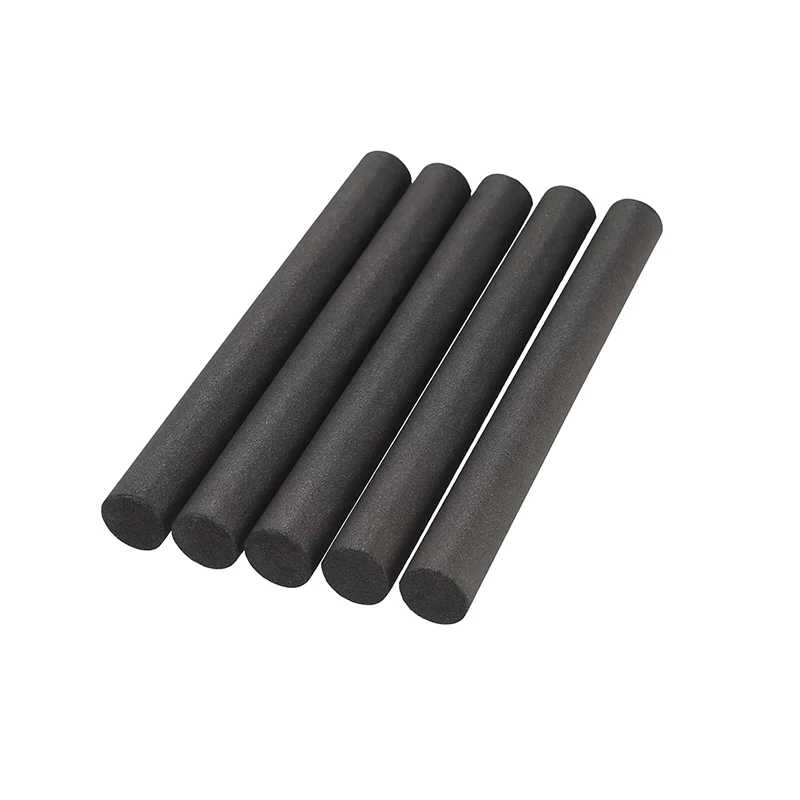
Graphite rods are one of those industrial materials that quietly show up across a genuinely wide range of applications without getting much general attention outside the specific industries that depend on them. Understanding what makes graphite suitable as a rod shaped material in the first place, and what properties actually drive its usefulness, helps explain why this material has remained relevant across several demanding industrial contexts.
The Core Properties That Make Graphite Distinctive
Graphite combines several properties that are genuinely difficult to find together in a single material. It maintains structural stability across a wide temperature range, conducts electricity reasonably well, resists many forms of chemical corrosion, and has relatively low density compared to many metals with similar thermal properties. This particular combination of characteristics is what makes graphite rods a practical choice for applications where several of these properties matter simultaneously, rather than just one in isolation.
Thermal Stability Under Extreme Conditions
One of graphite’s most genuinely useful properties is its ability to maintain structural integrity at very high temperatures, well beyond what many conventional materials can withstand without degrading or losing their functional properties. This thermal stability is a big part of why graphite rods show up so frequently in high temperature industrial processes, where alternative materials would simply fail or degrade too quickly to be practical for repeated use.
Electrical Conductivity Opens Up Specific Applications
Graphite’s electrical conductivity, while not as high as many metals, is still significant enough to make it useful in certain electrical applications, particularly where the combination of conductivity and thermal resistance together matter more than conductivity alone. This has made graphite rods a relevant material in various electrode applications and other uses where both of these properties genuinely need to be present simultaneously.
Chemical Resistance in Demanding Environments
Graphite resists many forms of chemical corrosion that would degrade conventional metals relatively quickly, which makes it a practical choice for applications involving exposure to certain corrosive substances. This chemical resistance, combined with graphite’s other properties, has made it a preferred material in specific chemical processing applications where material longevity under harsh chemical exposure represents a genuine operational priority.
Machinability Compared to Alternative Materials
Despite its strength and stability under demanding conditions, graphite is relatively easy to machine into precise shapes compared to many alternative high temperature materials, which makes manufacturing custom components from graphite rods genuinely more practical and cost effective in many cases than working with harder or more difficult alternative materials.
Different Grades Serve Different Purposes
Not all graphite rods are manufactured to the same specification, and factors like density, grain size, and purity level significantly affect how well a given rod performs in a particular application. Understanding these differences matters for choosing the right graphite rod specification for a specific use case, rather than assuming any graphite rod will perform equally well regardless of the actual demands placed on it in a given application.
Recognizing Where This Material Genuinely Adds Value
Understanding both the specific properties that make graphite rods useful and the practical contexts where those properties genuinely matter helps ensure this material gets specified and used appropriately, rather than treated as a generic substitute for other materials without proper consideration of whether graphite’s particular combination of properties actually fits the application at hand.
A Material Worth Understanding Properly
Graphite rods may seem like a simple, unremarkable industrial material at first glance, but the specific combination of properties they offer plays a genuinely important role in the equipment and processes that depend on them. Taking the time to understand these properties properly leads to better material selection decisions across the wide range of industries that rely on graphite in this particular form.