Who Buys Plastic Scrap – A Guide for Manufacturers and Businesses
If your manufacturing facility generates plastic scrap, that material may be worth more than simply throwing it into a dumpster.
Plastic pallets, totes, crates, production parts, runners, purge, regrind, film and other post-industrial plastics can have value when they are properly separated and accumulated in sufficient quantities.
So, who buys plastic scrap?
Plastic scrap is typically purchased by industrial plastic recyclers, plastic scrap buyers, resin processors, brokers and manufacturers that use recycled material. The right buyer depends on the type of plastic you have, its condition, quantity, location and current market demand.
For manufacturers generating recurring volumes of clean plastic scrap, working directly with an industrial plastic recycling company can often provide the simplest route from unwanted material to a reusable commodity.
Who Buys Plastic Scrap From Manufacturers?
There are several different types of plastic buyers in the recycling industry.
Industrial Plastic Recycling Companies
Industrial plastic recyclers purchase scrap directly from manufacturers, warehouses, distribution centers and other commercial operations.
Unlike residential recycling companies, industrial recyclers generally focus on larger and more consistent quantities.
Materials may include:
- Injection molding scrap
- Blow molding scrap
- Plastic purge
- Runners and sprues
- Rejected parts
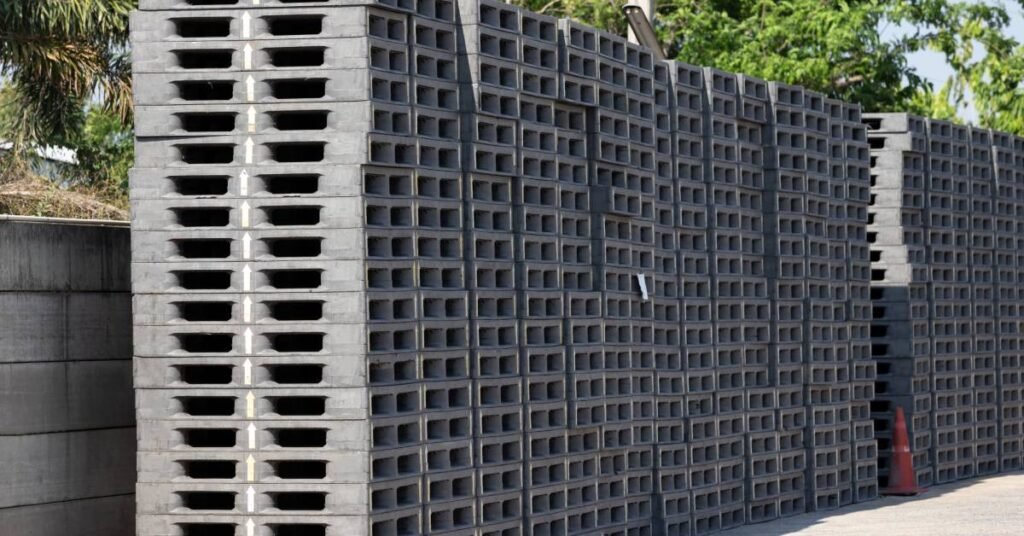
- Plastic pallets
- Plastic totes
- Plastic crates
- Buckets
- Bottles
- Baled plastic
- LDPE and LLDPE film
- Regrind
- Off-spec pellets
- Virgin resin
The recycler collects qualifying material and prepares it for reuse through sorting, grinding, processing or resale.
For companies producing plastic scrap every week or month, this type of relationship can turn waste management into an ongoing material recovery program.
Plastic Scrap Brokers
Plastic brokers connect companies that have scrap with companies looking for material.
A broker may not physically process the plastic. Instead, the company facilitates transactions between scrap generators, processors and end users.
Brokers can be useful when dealing with unusual materials, changing volumes or buyers and sellers located across different regions.
Recycled Plastic Processors
Some companies physically process plastic scrap into a more usable form.
For example, rigid plastic parts can be sorted and ground into regrind. That material can then be sold to manufacturers capable of incorporating recycled plastic into their production processes.
This is an important part of the plastics recycling cycle:
Manufacturer → Plastic Scrap → Recycler → Reprocessing → Recycled Material → Manufacturer
Instead of treating industrial plastic as disposable waste, the material becomes a feedstock for another manufacturing process.
Manufacturers Using Recycled Plastic
Some manufacturers purchase recycled plastic directly for use in their products.
Depending on their manufacturing requirements, they may purchase regrind, pellets or other processed materials.
However, these companies typically need material that meets relatively specific requirements for resin type, color, cleanliness and consistency.
What Types of Plastic Scrap Do Buyers Want?
Not every type of plastic has the same value or demand.
Plastic buyers typically evaluate the resin, form, cleanliness, consistency and quantity before making an offer.
Some commonly recycled industrial plastics include:
HDPE Plastic Scrap
High-density polyethylene, or HDPE, is one of the most widely used industrial plastics.
HDPE scrap can come from:
- Pallets
- Crates
- Buckets
- Bins
- Bottles
- Containers
- Injection-molded parts
- Blow-molded products
- Production scrap
Clean, separated HDPE can be attractive to recyclers because it can potentially be processed into reusable material.
Polypropylene Scrap
Polypropylene, or PP, is another common industrial thermoplastic.
Manufacturers may generate PP scrap from:
- Injection molding
- Automotive components
- Totes
- Containers
- Crates
- Buckets
- Production parts
- Runners and sprues
Keeping polypropylene separated from other resins can make the material easier for a plastic scrap buyer to evaluate.
HMW Plastic
High-molecular-weight polyethylene, commonly called HMW, is used for durable industrial products and containers.
HMW scrap from consistent manufacturing streams may also be suitable for industrial recycling.
LDPE and LLDPE Film
Manufacturing and distribution facilities can generate significant amounts of polyethylene film.
This may include:
- Stretch film
- Shrink film
- Bags
- Liners
- Packaging film
- Production film scrap
Clean film that has been separated from paper, cardboard, food, metal and other contaminants is generally more desirable than mixed material.
Other Industrial Plastics
Depending on the buyer and current market conditions, other plastics may also have recycling opportunities, including:
- PET
- ABS
- Nylon
- Polycarbonate
- PMMA
- TPO
If you’re unsure what type of plastic you have, contacting an industrial plastic recycler can help determine whether the material fits an existing recycling stream.
Where Can I Sell Plastic Scrap?
For businesses searching “where can I sell plastic scrap?”, the answer depends heavily on quantity.
A few pounds of miscellaneous household plastic generally isn’t what an industrial recycler is looking for.
A manufacturer generating thousands of pounds of a consistent resin is a very different situation.
Industrial plastic buyers generally prefer recurring, homogeneous material streams because collecting, transporting, sorting and processing plastic all have costs.
A manufacturer producing the same HDPE parts every day, for example, could generate a much more desirable recycling stream than a business with a small quantity of mixed unidentified plastics.
This is why industrial plastic recycling programs are often built around volume and consistency.
What Makes Plastic Scrap Valuable?
One of the first questions manufacturers ask is:
How much is my plastic scrap worth?
There isn’t one universal price for plastic scrap.
The value can be influenced by several factors.
Resin Type
Different polymers have different markets.
HDPE, polypropylene, LDPE, PET, ABS and nylon shouldn’t automatically be valued the same way because demand, processing requirements and end markets differ.
Cleanliness
Clean material is generally easier and less expensive to process.
Oil, metal, wood, cardboard, dirt, labels, adhesives and other plastics can reduce the usability of a load.
Separation
A Gaylord containing one known resin is much easier to evaluate than a container filled with several unknown plastics.
Keeping resin streams separate can therefore make a substantial difference.
Color
Color can affect the potential applications for recycled material.
Natural or consistent-color scrap may have different end markets than mixed-color material.
Form
Buyers may evaluate plastic differently depending on whether it is:
- Parts
- Purge
- Runners
- Pallets
- Totes
- Crates
- Film
- Bales
- Regrind
- Pellets
The amount of additional processing required affects the economics of the material.
Volume
Volume matters because plastic recycling involves transportation.
Sending a truck to pick up a small amount of low-value material may cost more than the plastic itself is worth.
Larger and recurring loads can improve transportation and processing economics.
Market Conditions
Plastic scrap is a commodity.
Pricing can change based on:
- Virgin resin prices
- Petroleum markets
- Recycled resin demand
- Regional supply
- Freight costs
- Manufacturing demand
- Material quality
This is why a plastic scrap buyer may quote different prices for the same material at different points in time.
Do Plastic Recycling Companies Pay for Scrap?
They can.
When a company has the right material, quantity, cleanliness and location, plastic scrap can have positive commodity value.
However, businesses shouldn’t assume every piece of plastic is worth money.
Some materials may have little value because of contamination, mixed resins, limited demand or transportation costs.
In other cases, even if a recycler doesn’t pay a significant amount for the material, recycling may still provide value by reducing disposal costs and keeping material out of landfills.
The best way to find out is to provide a recycler with accurate information about the material.
How Do I Find Plastic Buyers Near Me?
Searching for “plastic buyers near me” or “plastic scrap buyers near me” is a reasonable starting point, but proximity isn’t the only consideration.
Industrial recycling is heavily influenced by transportation economics.
A recycler farther away may still be a better option if it has the equipment, freight network and end markets necessary to handle your particular material efficiently.
When contacting potential buyers, provide:
- Plastic/resin type
- Approximate weight
- Monthly or annual volume
- Form of the material
- Color
- Whether it is clean or contaminated
- How it is packaged
- Pickup location
- Photos of the material
- Whether the scrap is generated once or continuously
Providing this information upfront can make it much easier for a recycler to determine whether your material is a fit.
How Should Manufacturers Store Plastic Scrap?
Storage can directly affect the value and recyclability of plastic.
A clean material stream can quickly become difficult to recycle if it is mixed with trash, metal, cardboard or other resins.
Manufacturers should consider using separate Gaylord boxes, bins, totes or baling systems for different materials.
Clearly label each container.
For example:
HDPE – Natural – Injection Molding Scrap
is much more useful than:
Plastic
Employees should also understand what can and cannot go into each container.
This simple operational change can prevent valuable material from becoming contaminated.
What Information Should You Send a Plastic Scrap Buyer?
If you want a faster answer from a recycler, don’t simply send a message saying:
“We have plastic. Do you buy it?”
Provide specifics.
A much better inquiry would explain:
“We generate approximately 10,000 pounds of black polypropylene injection molding scrap each month. The material consists of clean runners and rejected parts. It is stored in Gaylord boxes at our manufacturing facility.”
Add several clear photographs.
That gives the buyer enough information to begin evaluating the opportunity.
Who Buys Large Quantities of Plastic Scrap?
Companies generating commercial quantities should look specifically for industrial plastic scrap buyers rather than consumer recycling programs.
Seraphim Plastics is an industrial plastic recycling company that works with manufacturers and commercial operations generating qualifying volumes of post-industrial plastic scrap.
The company handles multiple industrial plastic streams, including materials such as HDPE, HMW, polypropylene, LDPE/LLDPE film and other qualifying thermoplastics.
Plastic can arrive in forms including manufacturing parts, runners, purge, pallets, totes, crates, buckets, film, regrind and other industrial scrap.
Instead of sending usable plastic to a landfill, qualifying material can enter a recycling stream where it can be processed and ultimately returned to manufacturing.
What Happens After a Plastic Buyer Picks Up the Scrap?
The exact process depends on the material, but industrial plastic recycling can include several stages.
First, the material is collected from the manufacturer.
It may then be sorted and inspected to make sure the load contains the expected resin and does not have excessive contamination.
Suitable rigid plastics can then be size-reduced through grinding.
The resulting recycled material may eventually be used as feedstock by manufacturers capable of processing that particular resin.
This gives post-industrial plastic another potential life instead of treating it as waste.
Can Plastic Scrap Become a Revenue Stream?
For some manufacturers, yes.
A company that currently pays for dumpsters, hauling and landfill disposal may discover that some of the material in its waste stream has commodity value.
Consider a facility generating:
- Plastic runners every shift
- Rejected molded parts
- Damaged plastic pallets
- Purge during material changes
- Off-spec plastic products
- Packaging film from incoming shipments
Separating these materials at the source can create consistent recycling streams.
Instead of asking, “How do we get rid of this plastic?”, manufacturers can begin asking:
“Does someone buy this plastic?”
That small change in perspective can turn what was previously treated as waste into recoverable inventory.
Who Buys Plastic Scrap? Start With an Industrial Plastic Recycler
If your company generates large quantities of plastic scrap, industrial plastic recyclers and plastic scrap buyers are typically the first places to look.
The best buyer will depend on your:
- Resin type
- Volume
- Location
- Material form
- Cleanliness
- Packaging
- Frequency of generation
- Current market conditions
Manufacturers should identify their material, keep different resins separated and document approximately how much scrap they generate.
Then contact an industrial recycler with photos and material details.
For manufacturers looking for plastic scrap buyers, Seraphim Plastics works with businesses generating qualifying post-industrial plastic in Tennessee, Kentucky, Mississippi and Arkansas.
The question “Who buys plastic scrap?” ultimately has a simple answer: companies that can efficiently collect, process and find another productive use for the material.
The more consistent, clean and well-organized your plastic scrap is, the easier it becomes for those buyers to determine what it may be worth.