Why Non Armored Cable Is Becoming a Preferred Choice in Modern Electrical and Network Installations
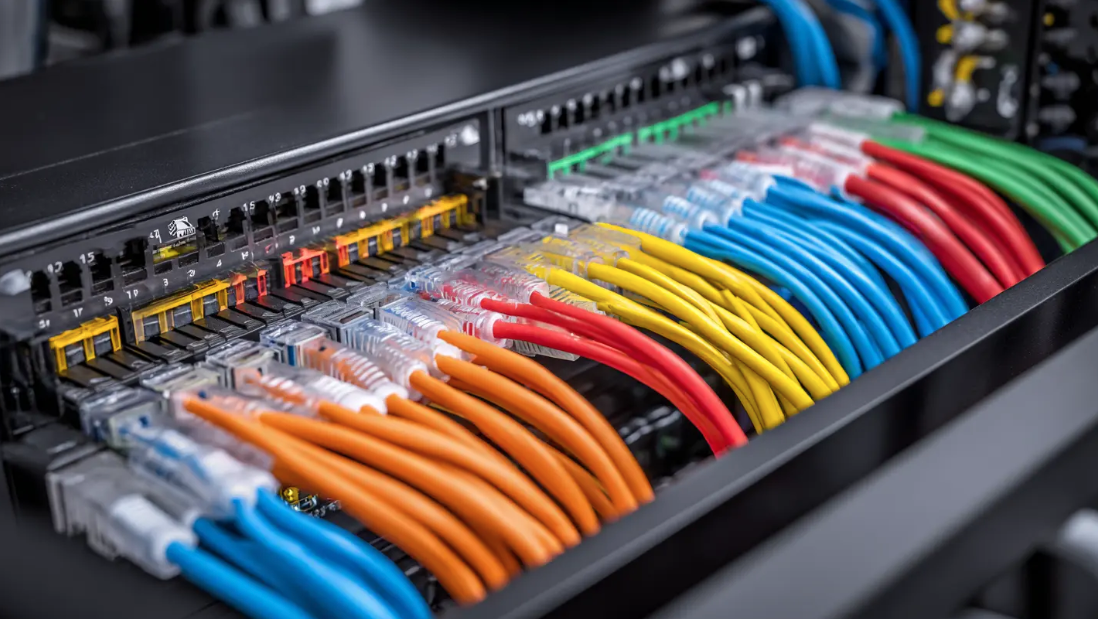
In today’s fast-growing infrastructure and digital connectivity world, the demand for safe, efficient, and cost-effective cabling solutions is increasing rapidly. Whether it is residential wiring, commercial buildings, or telecom networks, choosing the right type of cable plays a critical role in performance and safety. In this context, non armored cable has become a widely used option due to its flexibility, ease of installation, and suitability for controlled environments.
Unlike armored cables, which include a protective metallic layer for heavy-duty environments, non armored cables are designed for indoor and protected installations where physical damage risk is relatively low. This makes them an ideal choice for modern electrical systems where efficiency and simplicity are prioritized over heavy protection.
As infrastructure continues to evolve, especially in smart buildings and data-driven environments, non armored cables are gaining popularity for their practical balance between performance and cost.
What Is Non Armored Cable?
A non armored cable is a type of electrical or communication cable that does not include a metallic protective layer around its insulation. Instead, it relies on internal insulation materials such as PVC or LSZH (Low Smoke Zero Halogen) to protect the conductors inside.
These cables are typically used in environments where mechanical stress, pressure, or external damage is minimal. Because they do not include an additional armor layer, they are lighter, more flexible, and easier to handle during installation.
Non armored cables are commonly used in indoor electrical wiring, data transmission systems, office buildings, and residential setups where cables are usually installed inside conduits or protective ducts.
See also: Urban Technology Trends
Why Non Armored Cable Is Widely Used
The growing popularity of non armored cable solutions is mainly due to their practicality and ease of use. In modern construction and networking projects, speed of installation and cost efficiency are highly important factors.
Non armored cables are easier to bend and route through tight spaces, which significantly reduces installation time. This makes them highly suitable for structured cabling systems in commercial buildings and IT environments.
Another important reason is cost efficiency. Since they do not require additional metallic protection, they are generally more affordable compared to armored cables, making them a preferred choice for large-scale installations.
In controlled environments where external damage risk is minimal, using armored cables would be unnecessary, which is why non armored solutions are often selected instead.
Key Advantages of Non Armored Cable
High Flexibility and Easy Installation
One of the biggest benefits of non armored cable is its flexibility. These cables can be easily bent, routed, and installed in complex wiring systems without requiring heavy tools or additional protection layers.
Lightweight Structure
Since non armored cables do not contain metallic shielding, they are significantly lighter. This makes transportation, handling, and installation much easier, especially in large projects.
Cost-Effective Solution
Non armored cables are generally more affordable than armored alternatives. This makes them ideal for projects that require large quantities of cabling without increasing overall infrastructure costs.
Suitable for Indoor Applications
These cables are specifically designed for indoor or protected environments such as offices, homes, and data centers where physical damage risks are minimal.
Common Applications of Non Armored Cable
The use of non armored cable is widespread across various industries due to its versatility and ease of installation.
In residential buildings, these cables are used for electrical wiring, lighting systems, and general power distribution. Since homes provide a controlled environment, there is no need for heavy protective layers.
In commercial spaces such as offices, shopping malls, and hospitals, non armored cables are used for structured cabling systems, internet connectivity, and electrical distribution networks.
In the telecommunications industry, these cables are often used for internal network setups where cables are routed through conduits, trays, or controlled pathways.
They are also commonly used in data centers where organized cable management and flexibility are more important than external protection.
Difference Between Armored and Non Armored Cable
The main difference between armored and non armored cables lies in protection and usage environment.
Armored cables include a metallic layer that protects them from physical damage, making them suitable for outdoor or underground installations. On the other hand, non armored cables do not have this layer, making them lighter and more flexible but suitable only for indoor or protected use.
This distinction helps engineers choose the right cable type based on installation requirements and environmental conditions.
Future Role of Non Armored Cable in Infrastructure
As modern infrastructure becomes more organized and indoor-focused, the demand for non armored cable solutions is expected to grow. Smart buildings, data centers, and automated systems require structured and flexible cabling that is easy to manage and upgrade.
With increasing emphasis on efficient design and cost optimization, non armored cables will continue to play a key role in electrical and communication systems.
Advancements in insulation materials are also improving the durability and safety of these cables, making them even more reliable for long-term use.
Final Thoughts
The evolution of modern infrastructure shows a clear shift toward more efficient, flexible, and cost-effective cabling solutions. In this transformation, non armored cable has established itself as an essential component for indoor electrical and communication systems.
Its lightweight design, easy installation, and affordability make it highly suitable for residential, commercial, and data-driven environments where protection from heavy physical damage is not required.
As technology continues to advance and building systems become more complex and connected, non armored cables will remain a practical and widely used solution for supporting modern electrical and networking needs.