Why ultra-low temperature storage matters more than ever
Modern technology often gets attention for flashy breakthroughs, but some of the most important advances happen quietly in the background. Ultra-low temperature storage belongs in that category. It supports research, protects sensitive materials, and keeps critical samples stable over long periods. Without reliable cold storage, progress in medicine, biotechnology, food science, and environmental testing would slow down fast.
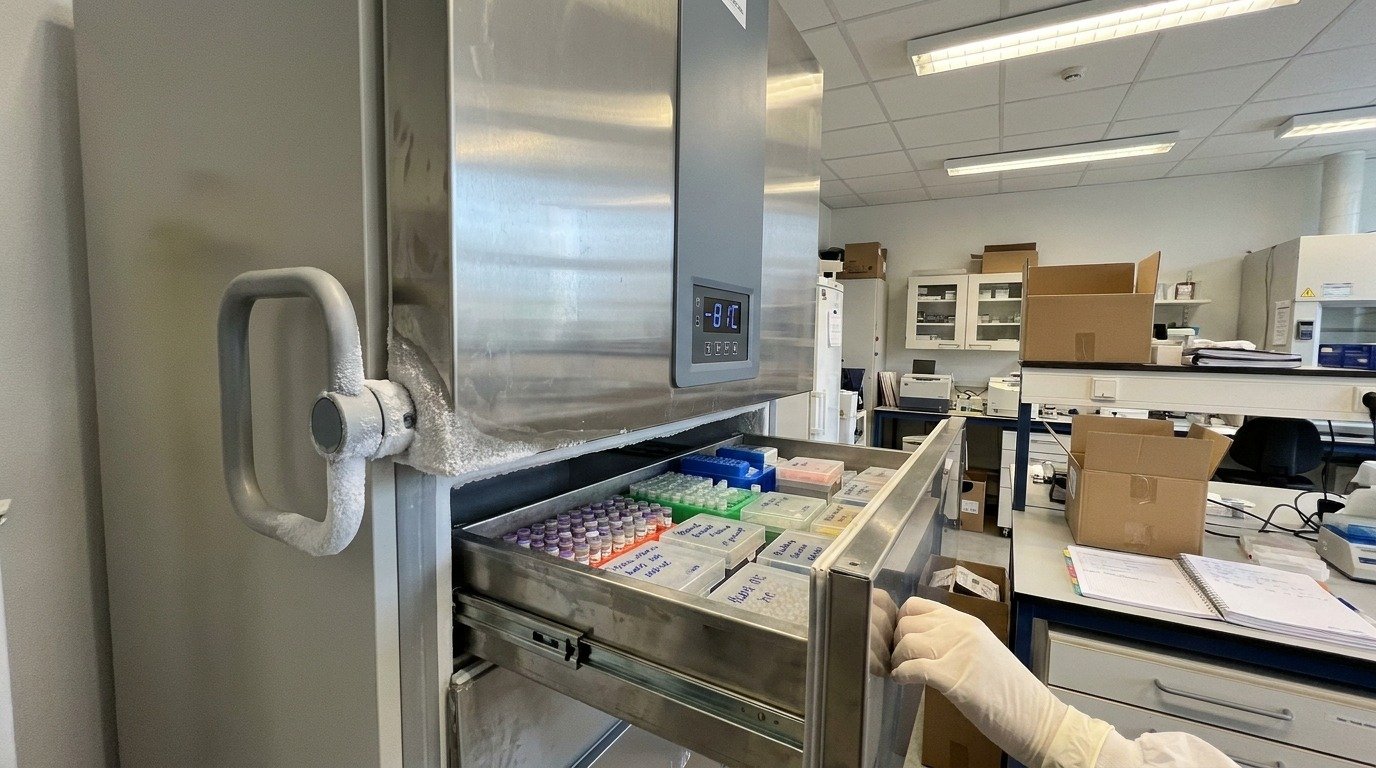
An ultra-low temperature freezer is not just a large cold box. It is a precision tool built to maintain extremely low and stable temperatures, often around -80 degrees Celsius. That level of control matters because many biological samples, enzymes, vaccines, and laboratory materials degrade when storage conditions fluctuate. Even small temperature shifts should be taken seriously when the contents are valuable, rare, or difficult to replace.
In recent years, demand for dependable low-temperature solutions has grown alongside advances in life science and diagnostics. Laboratories now handle more complex workflows, and they need equipment that supports both speed and accuracy. A well-designed ULT Freezer fits into that picture by helping teams secure sample integrity while also improving day-to-day operations.
More than a freezer in the corner
People outside research settings often imagine freezers as passive equipment. In reality, they play an active role in quality control. Temperature consistency, alarm systems, energy use, door recovery time, and storage layout all affect how useful a unit becomes in practice. If a freezer struggles to recover after the door opens, the entire storage environment becomes less reliable.
That is why design matters. Laboratories should look for systems that support easy access without sacrificing stability. Shelving, compartment organization, and clear monitoring tools reduce handling errors and save time. In busy environments, every second counts, especially when staff move quickly between testing, documentation, and sample retrieval.
The pressure on modern labs
Research facilities and healthcare settings face growing pressure to do more with fewer interruptions. They must protect samples, meet regulatory standards, and manage energy costs at the same time. This creates a strong case for equipment that balances performance with efficiency.
Ultra-low temperature storage also matters beyond large institutions. Smaller labs, private testing facilities, and specialized production sites increasingly depend on secure cold chains. As scientific work becomes more distributed, reliable storage must follow. It is no longer enough for advanced equipment to exist only in major research hubs.
Why reliability shapes innovation
Innovation depends on repeatable results. If stored materials lose quality, experiments become harder to trust and timelines begin to slip. That risk affects everything from pharmaceutical development to academic research. Reliable storage therefore supports innovation in a direct and practical way.
There is also a human factor. Scientists and technicians work better when they trust their tools. A dependable freezer reduces stress, limits emergency interventions, and allows teams to focus on analysis rather than damage control. In environments where one failed sample batch can cost weeks of work, that confidence matters.
See also: How a Business Attorney Greenville SC Can Help Your Business
A quiet backbone of progress
Ultra-low temperature storage rarely becomes the headline, yet it remains essential to many of the systems people rely on every day. From preserving medical materials to supporting advanced testing, it forms a quiet backbone beneath visible progress. As research grows more demanding and precision becomes even more important, the role of ultra-low temperature freezers should only become more central. The best technology does not always announce itself loudly. Sometimes it simply keeps everything else possible.