3 Mounting Locations to Capture the Whole Picture with Your Car Dash Camera
There is a certain kind of comfort that comes from knowing the road is being watched, even when your hands are busy on the wheel and your eyes are fixed ahead. A car is more than transportation. It is where you rush to work, drive children to school, sing badly at red lights, and sometimes sit quietly after a hard day. Because so much of life happens there, choosing the right place for your recording device matters more than many people realize.
A well-placed dash cam does not just record accidents. It preserves context. It shows how events unfolded, where another driver came from, and what was happening around you in the moments that mattered most. That can be the difference between a vague story and clear proof.
If you have ever wondered where to mount your camera for the best coverage, you are not alone. The truth is simple: placement shapes everything. Let’s walk through three smart mounting locations that help you capture the whole picture, while keeping your view safe and your setup practical.
Behind the Rearview Mirror for a Balanced dash cam View
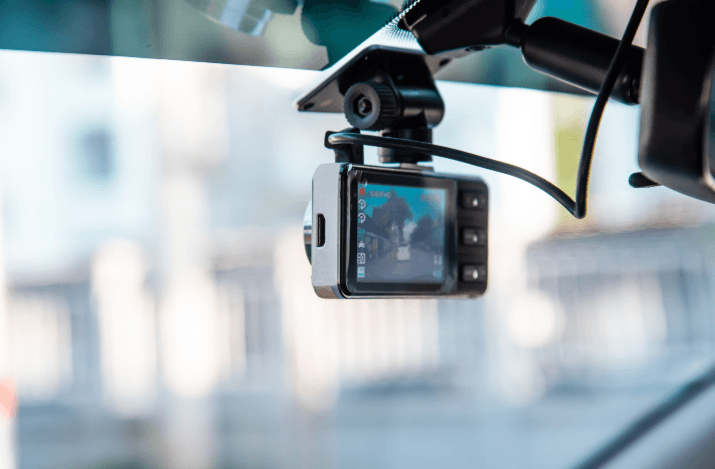
For many drivers, this is the sweet spot. Mounting dash cams just behind or slightly beside the rearview mirror gives you a strong, centered view of the road ahead without becoming a distraction. Because the camera sits high on the windshield, it can capture a broad lane perspective, traffic lights, merging vehicles, and sudden movements from the sides.
This location also helps the device stay discreet. That matters. A camera that does not constantly catch your eye is less likely to pull your attention from the road. It also looks cleaner from outside the vehicle, which can be a small but welcome deterrent against theft.
There is another advantage people often overlook: stability. A centrally mounted camera usually records smoother footage because it aligns well with the vehicle’s motion. That means less awkward vibration and a more natural frame.
A driver once shared a tense story about being nearly accosted in a parking lot after a minor traffic dispute. The encounter happened quickly, emotionally, and close to the front of the vehicle. Because the camera had been mounted high and centered, it captured the approach, the gestures, and the timing clearly. In a stressful moment, details can blur. Video does not blur in the same way. It quietly holds the truth.
If you want the most dependable all-around forward view, this location remains one of the strongest choices.
Low on the Windshield for a Wider Road Story
Mounting a dash camera lower on the windshield can work surprisingly well, especially if your goal is to record more of what happens directly in front of the hood and around nearby vehicles. This setup can create a strong sense of depth in the footage, making it easier to judge how close another car was or where a pedestrian stepped into view.
For city driving, this can be useful. Tight lanes, aggressive turns, bicycles cutting through traffic, and sudden stops all happen close to the front end of the car. A lower mount can sometimes tell that story more vividly.
Still, there is a tradeoff. A camera placed too low may intrude into your line of sight, and nobody wants safety technology to become a safety risk. Local laws may also restrict windshield placement, so it is wise to check regulations before installation.
Yet when done properly, a lower windshield position can feel almost cinematic in the best possible way. It captures the road not as a distant ribbon, but as something immediate and alive.
That feeling of immediacy can remind you how fragile every drive really is. There was a small moment one rainy evening when a driver struggled with a failing charging cable and feared the device had shut off. Then the power indicator blinked back to life. That little spark of connection between device, power source, and purpose felt unexpectedly reassuring. Sometimes security is not dramatic. Sometimes it is simply knowing your equipment stayed with you when you needed it.
A carefully placed dash camera in this location can be excellent for drivers who want detailed close-range footage and who do not mind spending a little more time perfecting the angle.
At the Rear Window to Complement Your dash camera Coverage
If you truly want the whole picture, do not stop with the front. Mounting a camera at the rear window adds an entirely different layer of protection. Rear-end collisions are common, and in many of those situations, the most important evidence comes from behind, not ahead.
A rear-facing setup records tailgaters, abrupt lane changes, and impacts that happen when traffic suddenly compresses. It can also document suspicious behavior in parking areas or while the car is stopped. For drivers who spend time on highways, this added perspective can be invaluable.
Placement is important here too. Mount the unit high on the rear glass for the clearest field of view. Avoid positioning it where defroster lines, dark tint, or cargo in the back seat might block the image. The cleaner the sightline, the better the footage.
There is something quietly powerful about rear coverage. It catches what you cannot see while moving forward. That unseen space matters.
A pet owner once joked that their dog, with its wonderfully auricled ears perked up in the back seat, always seemed to notice trouble before anyone else. One afternoon, those alert ears turned sharply toward the rear window just before another driver came speeding up too close. Nothing happened in the end, thankfully, but the moment stuck. We often focus so much on what is ahead that we forget how much risk approaches from behind. A rear recording angle helps correct that blind spot.
For complete protection, pairing front and rear coverage is often the smartest route.
See also: Why Professional Corporate Transport Matters for Growing Businesses
How to Choose the Best Spot for Your Vehicle
The best mounting location depends on your driving habits, vehicle shape, and recording goals. If you want a reliable everyday setup, go high and centered behind the mirror. If you drive in dense urban areas and want more detail near the front bumper, a lower windshield mount may serve you well. If you want broader protection and stronger incident evidence, add rear coverage.
As you decide, keep a few essentials in mind:
Check local windshield-mounting laws
Make sure the lens is not blocked by wipers, tint, or stickers
Test footage in daylight and at night
Keep cables neat so they do not distract you
Avoid any position that interferes with visibility
The right dash cam placement is not about chasing perfection. It is about giving yourself clarity when a stressful, confusing, or painful moment unfolds in seconds.
When the road surprises you, evidence matters. Peace of mind matters too. With thoughtful placement, your dash cam becomes more than a gadget on the glass. It becomes a quiet witness, a steady companion, and sometimes the one thing that helps your side of the story finally be seen.