How to Choose a Door That Matches Your Interior Design
Interior design is about creating a space where every element works together. Furniture, flooring, wall colors, lighting, and decorative accessories all contribute to the overall appearance of a room. One important feature that is sometimes overlooked is the door. A well-chosen door can complement your interior style, improve the flow between rooms, and even become an attractive focal point.
Whether you are renovating your home or simply replacing an old door, selecting the right style requires some thought. The material, color, design, size, and hardware should all work with the existing décor. By considering these factors carefully, you can choose a door that looks natural and enhances the character of your home.
Consider Your Interior Design Style
The first step is to identify the style already present in your home. Different interior designs work better with different door styles. For example, a modern home often looks best with clean lines, simple shapes, and minimal decorative details.
Traditional interiors may benefit from paneled wooden doors, raised details, or classic hardware. If your home has a rustic style, natural wood with visible grain can add warmth and character. Contemporary interiors often suit smooth surfaces, neutral colors, and simple door designs.
Before choosing a new door, look around the room and identify the main design elements. Consider your furniture, flooring, wall finishes, and decorations. The new door should complement these features rather than appearing disconnected from them.
Choose a Door Material That Fits the Space
Material has a major effect on the appearance of a door. Wood remains a popular choice because it provides warmth and works with many interior styles. Natural wood can create a comfortable and traditional atmosphere, while painted wood can provide a cleaner and more contemporary appearance.
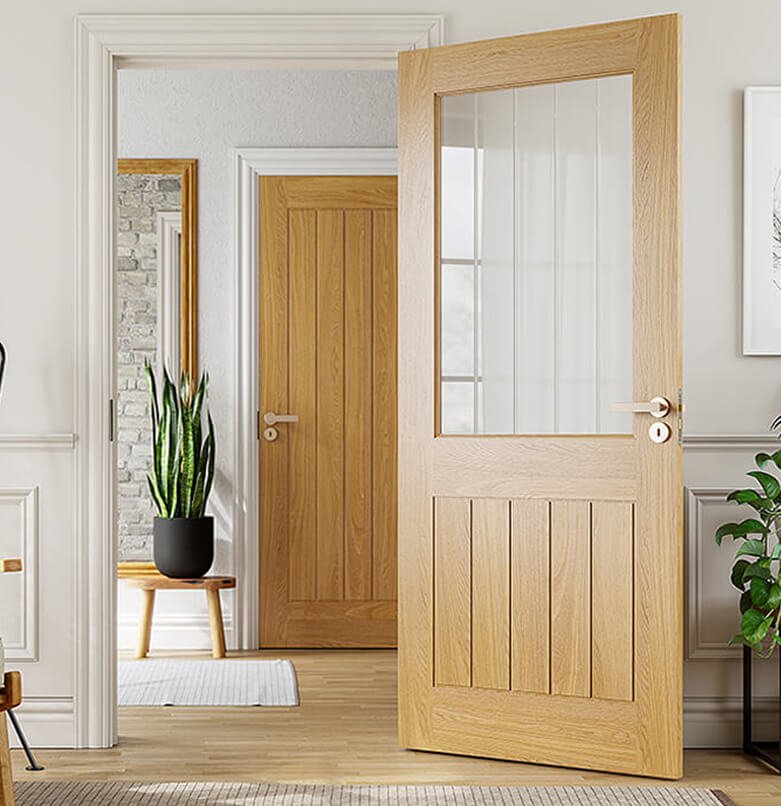
Glass doors can be useful when you want to allow more natural light to move between spaces. Frosted or textured glass can provide privacy while maintaining an open feeling. These doors can work particularly well in modern homes.
Engineered wood and composite materials can also offer attractive finishes while providing practical benefits. When selecting a material, consider not only its appearance but also durability, maintenance requirements, and the room where it will be installed.
Select the Right Color
The color of your door should work with the colors already present in the room. You do not necessarily need to match the door exactly with your walls or furniture. Instead, look for a shade that complements the existing color palette.
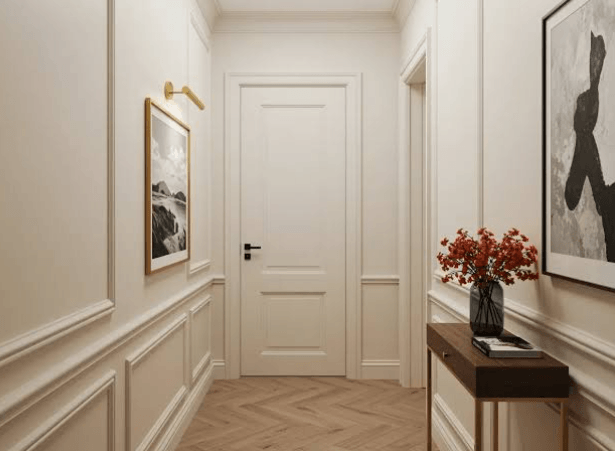
White, cream, gray, and other neutral shades are versatile choices. They can blend easily with different decorating styles and make rooms feel clean and organized. Dark colors such as charcoal, deep brown, or black can create a stronger visual statement.
Natural wood tones can add warmth and work especially well with wooden furniture and flooring. If your interior already contains several colors and patterns, a simple door color may provide balance.
Pay Attention to Door Design
The design of a door can change the personality of a room. A completely plain door can provide a minimalist appearance, while panels, grooves, or decorative glass can add visual interest.
For a modern interior, consider doors with smooth surfaces and simple geometric details. Traditional spaces may benefit from classic panel designs. If you prefer a transitional style, choose a door that combines traditional details with a relatively simple shape.
Think about the amount of visual attention you want the door to receive. If your room already has a prominent feature wall, large artwork, or patterned furniture, a simple door may be the better choice. In a simpler room, an attractive door can provide an additional design feature.
Match the Door With Your Flooring
Flooring and doors are located close enough to each other that their finishes can strongly influence the overall appearance of a room. They do not have to be identical, but they should look compatible.
For example, a natural wooden door can complement wood flooring, while a painted door can create contrast against wooden floors. If the flooring has a strong pattern or noticeable grain, a simpler door may prevent the room from looking too busy.
Consider the undertones as well. Warm wood flooring generally works well with warm door finishes, while cooler flooring colors may look better with gray, white, or other cool-toned doors.
Think About Door Hardware
Handles, hinges, locks, and other hardware may seem like small details, but they can have a noticeable effect on the final appearance. Hardware should complement the overall style of the room and the finish of other fixtures.
Brushed metal finishes can suit contemporary interiors, while traditional rooms may look better with classic-style handles. Matte black hardware can provide contrast and work well with modern designs.
If you are replacing or repairing an existing door, checking the condition of its hardware is also important. Services such as Independence garae door repair can be useful when a garage door or its components need professional attention before you decide whether replacement is necessary.
Try to maintain some consistency throughout the home. Using completely different hardware styles on every interior door can make the design feel less coordinated.
Consider the Size and Proportion
A door should be properly proportioned to the room and surrounding architecture. Standard interior doors are suitable for many homes, but larger openings may allow for wider or double-door designs.
Tall doors can create a sense of height and elegance, especially in rooms with high ceilings. In smaller spaces, a simple door with a light finish can help maintain an open and uncluttered appearance.
Also consider how much wall space is available around the doorway. The size and placement of the door should work naturally with nearby furniture, windows, and architectural features.
Think About Light and Privacy
Functionality is just as important as appearance. Consider how much privacy and natural light you need between rooms.
For bedrooms and bathrooms, solid doors are usually appropriate because they provide greater privacy. For areas such as dining rooms, home offices, or living spaces, doors with glass panels can help create a brighter and more connected environment.
If you like the appearance of glass but need privacy, frosted or textured glass can offer a useful compromise.
Coordinate Doors Throughout Your Home
You do not have to use exactly the same door design in every room, but maintaining some consistency can make the entire home feel more cohesive.
For example, you might use the same basic door style throughout the house while changing the finish or hardware in selected areas. This approach allows you to create variation without making each room feel completely separate.
Hallways are especially important because multiple doors may be visible at the same time. Choosing complementary designs can create a more organized and polished appearance.
Consider Maintenance and Durability
A beautiful door should also be practical for everyday use. Think about how frequently the door will be used and how much maintenance the material requires.
High-traffic areas may benefit from durable finishes that can withstand regular opening, closing, and cleaning. Doors in children’s rooms or busy family areas may need materials that are easy to maintain.
Before making a purchase, check the manufacturer’s care recommendations. A finish that looks attractive but requires extensive maintenance may not be suitable for your lifestyle.
Create a Balanced Interior
The best door choice is one that supports the overall design rather than competing with everything else in the room. Look at the bigger picture before making a decision.
If your interior contains bold furniture, colorful artwork, or patterned flooring, choose a door with a relatively simple design. If the room has a minimalist appearance, a distinctive door can add character without overwhelming the space.
It can also help to collect samples of flooring, paint colors, furniture finishes, and door materials. Looking at these items together can make it easier to determine whether they work well as a group.
See also: Understanding the Process of Establishing an International Business
Conclusion
Choosing a door that matches your interior design involves more than selecting a color you like. You should consider the home’s overall style, material, finish, design, hardware, proportions, lighting needs, and practicality.
A carefully selected door can connect different design elements and make a room feel more complete. Whether you prefer traditional wood, modern minimalism, decorative glass, or a simple painted finish, the key is to choose an option that complements your existing décor.
By taking time to compare materials, colors, designs, and practical requirements, you can find a door that not only looks attractive but also fits comfortably into your home’s interior for years to come.