How the Shift to Electric Vehicles Is Changing What Automotive Stamping Actually Needs to Do
The rise of electric vehicles has changed a lot more about car manufacturing than just what sits under the hood. It has also reshaped what automotive stamping suppliers are actually being asked to produce, since electric vehicles rely on a somewhat different set of metal components than traditional combustion powered cars, even though the underlying stamping process itself has not fundamentally changed.
New Demand for Charging and Battery Components
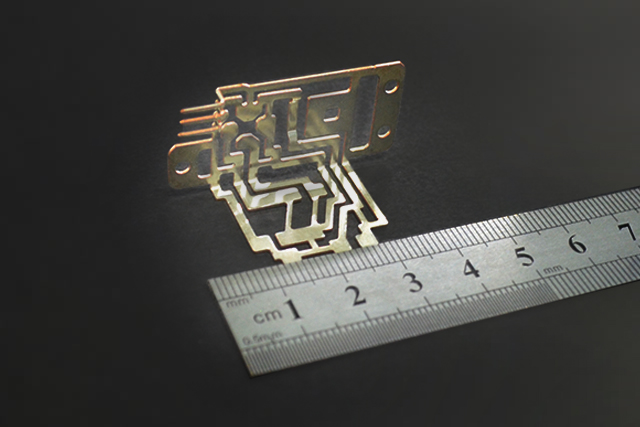
Where a traditional vehicle needed terminals and connectors mainly for its electrical and ignition systems, an electric vehicle needs a much larger set of components dedicated specifically to charging and battery management. Charging terminals, in particular, have become a genuinely important category of automotive stamping parts, since they need to handle significantly higher current loads than most traditional automotive electrical connectors were ever designed for.
Battery related components carry their own distinct requirements too. These parts often need to balance electrical conductivity with lightweight construction, since every gram added to a battery assembly works against the vehicle’s overall range, which is one of the most closely watched performance metrics in the electric vehicle market.
Lightweight Construction Matters More Than Ever
Automotive stamping parts built for electric vehicles increasingly lean on materials selected specifically for weight reduction, since range anxiety remains one of the biggest factors influencing electric vehicle purchase decisions. Aluminum, in particular, has become an increasingly common material choice for structural and support components in electric vehicles precisely because it offers meaningful weight savings compared to heavier alternatives, while still providing adequate corrosion resistance and strength for many applications.
This does not mean every component in an electric vehicle needs to be aluminum. Stainless steel and iron based materials still play important roles where strength and cost effectiveness matter more than shaving off every possible gram, but the overall material mix in an electric vehicle tends to lean more heavily toward lightweight options than a comparable traditional vehicle would.
New Energy Vehicle Systems Bring Their Own Requirements
Beyond charging and battery components specifically, the broader category of new energy vehicle electronic parts has expanded the range of automotive stamping applications considerably. These systems often require precision components that support power management, thermal regulation, and the more complex electronic control systems that electric vehicles depend on to manage battery performance and driving range.
Why Manufacturing Flexibility Matters in This Transition
The automotive industry is not making a single, uniform switch to electric vehicles overnight. Manufacturers continue producing traditional vehicles alongside expanding electric vehicle lineups, often for years during this transition period. This means automotive stamping suppliers need genuine flexibility to support both traditional automotive terminals and structural parts, as well as the newer charging and battery related components electric vehicles require, often for the same automotive customer running parallel vehicle programs.
A supplier capable of handling both material sets and both categories of application, rather than specializing narrowly in only one vehicle type, is generally better positioned to support automotive customers through this ongoing shift, since most large automotive manufacturers are managing this transition gradually rather than switching their entire production overnight.
See also: How a Business Attorney Greenville SC Can Help Your Business
Planning for a Market That Keeps Evolving
Electric vehicle technology itself continues to change fairly quickly, with battery chemistries, charging standards, and vehicle architectures all still evolving compared to the relatively mature and stable design conventions of traditional combustion vehicles. This means the specific stamping requirements for electric vehicle components today may look somewhat different again in just a few years, as charging speeds increase and battery packaging continues to be refined for better efficiency and safety. A stamping supplier that stays engaged with these ongoing changes, rather than treating its current electric vehicle component capability as a fixed offering, is more likely to remain a useful long term partner as automotive customers’ own designs continue shifting alongside the broader industry.
What This Means for Sourcing Decisions Today
For automotive engineers and procurement teams working on electric vehicle programs, it is worth specifically confirming that a stamping supplier has genuine experience with charging terminals, battery related components, and the lightweight material choices that electric vehicle applications increasingly demand, rather than assuming that general automotive stamping experience automatically translates smoothly into this newer category of components. The underlying stamping process may be familiar, but the specific requirements electric vehicle components bring are different enough to be worth confirming directly.