Where Stamped Alloy Parts Show Up in Everyday Industry
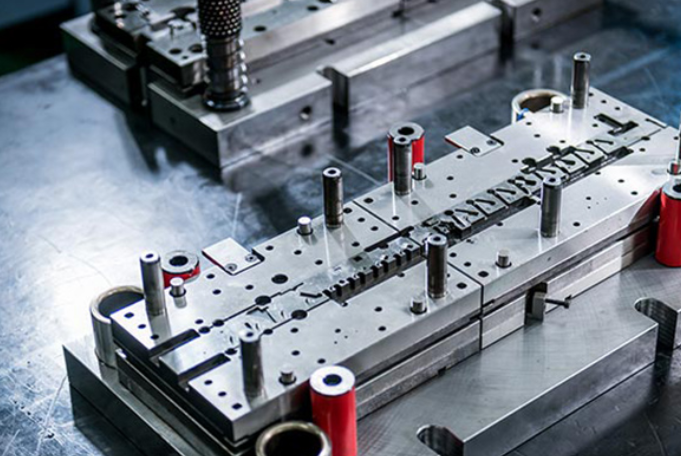
Most people never see the metal components that hold modern products together. They sit inside vehicles, electronics, medical devices and industrial machines, quietly doing their job. A great many of them are stamped from alloys, and looking at where they appear helps explain why this manufacturing method has stayed so important.
Automotive Components
Vehicles contain a huge number of small and medium metal parts, including brackets, connectors, clips, terminals and structural pieces. Stamped alloy parts suit this work because they can be made in large quantities with consistent shape and strength, and some alloys help reduce weight, which supports fuel economy and efficiency. Automotive customers also tend to demand documented quality systems, so manufacturers serving this field usually follow stricter process controls than those making general parts.
Electronics and Electrical Equipment
Inside phones, computers, appliances and power equipment, you will find small stamped parts such as contacts, shields, springs and connector terminals. Copper alloys are widely used here for their conductivity. Stamping can produce very small, complex shapes accurately and repeatedly, which is exactly what compact electronics need. Dimensional consistency matters a lot, because tiny differences can affect electrical contact and assembly.
Industrial Machinery and Automation
Factories rely on equipment full of brackets, plates, guards and mounting hardware. When these parts must resist wear, vibration or corrosion, alloys offer a reliable answer. Stamping is attractive for machine builders who need identical parts in quantity, because it lowers the cost per piece once tooling is in place compared with machining each part individually.
Heat Exchange and Thermal Equipment
Heat exchangers use thin, precisely formed plates and gaskets. These parts need to hold their shape, resist corrosion and tolerate temperature changes and pressure. Alloys that stand up to heat and chemical exposure are common in this setting, and stamping provides the accuracy needed for plates to seal and fit properly across many units.
Medical Equipment
Medical devices need materials that behave predictably and manufacturing that is carefully controlled. Stamped alloy parts appear in housings, support structures and small precision components. Because requirements here can be strict, buyers typically look for suppliers who can document materials, control processes and maintain consistent output.
New Energy Applications
Growth in battery systems, electrical connectors and related equipment has increased demand for stamped metal components that conduct current safely and resist corrosion over a long service life. Alloys that combine conductivity with durability are well suited, and stamping helps meet the volumes that these markets often need.
Aerospace and Demanding Environments
Where weight, strength and heat resistance all matter at once, specialised alloys are used. Stamping can contribute parts that are light yet strong, though aerospace work generally involves rigorous qualification, documentation and testing. Not every stamping supplier takes on this kind of project, so it is worth checking capabilities carefully.
What These Uses Have in Common
Across all of these fields, the same themes repeat: parts must be made in quantity, with consistent dimensions, from materials that suit the operating conditions. That is the sweet spot where stamping with the right alloy makes sense. A specialist in metal alloys stamping parts typically supports customers from prototype through high volume production, helping them move from an initial design to a repeatable manufacturing process.
Choosing the Right Partner for Your Field
Different industries have different expectations. An automotive buyer will ask about quality management systems. An electronics buyer will focus on tolerances and conductivity. A medical buyer will prioritise traceability. When searching for a stamping supplier, look for experience in your own field and ask for examples of similar work. A manufacturer who understands your industry’s requirements will make fewer mistakes and communicate more effectively.
See also: Understanding the Process of Establishing an International Business
Looking Ahead
Product designs keep getting smaller, lighter and more demanding, and that trend shows no sign of slowing. Stamped alloy components remain a dependable way to meet those needs, and understanding where they fit helps designers decide when stamping is the right choice for a new product.