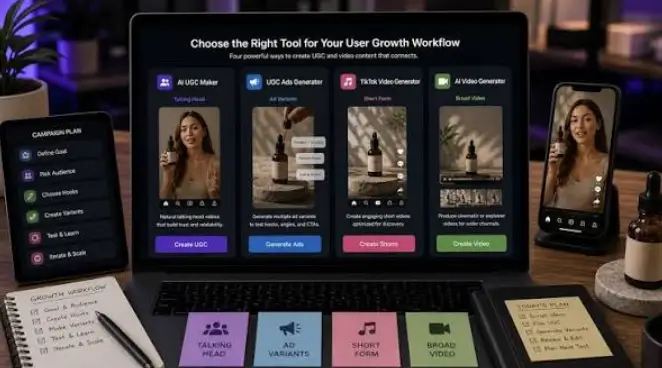
How to Create High-Converting UGC-Style Video Ads
UGC-style video ads have become a popular way for businesses to showcase products and connect with potential customers. These videos often use conversational language, relatable situations, and product demonstrations to make promotional content feel more natural than traditional advertisements.
However, creating effective video ads requires more than simply showing a product. Businesses need to understand their audience, communicate useful benefits, and give viewers a clear reason to take action. With the right strategy, brands can create engaging videos that support their marketing goals.
1. Understand Your Target Audience
Before creating a video ad, identify the people you want to reach. Consider their interests, common challenges, purchasing concerns, and reasons for choosing a particular product. Once you understand your audience, Predis.ai can help you create social media content that supports your promotional goals.
For example, a skincare brand might focus on daily skincare routines, while a fitness business could demonstrate how its products fit into a regular workout. Understanding your audience helps you develop content that feels relevant and addresses real customer needs.
2. Start with an Engaging Hook
The first few seconds can influence whether viewers continue watching. Start with a relatable problem, an interesting question, or a clear product benefit.
For example, a video promoting a productivity product could begin by highlighting the difficulty of managing daily tasks. The rest of the video can then demonstrate how the product may help simplify the process.
A good hook should create curiosity without relying on exaggerated promises or misleading claims.
3. Demonstrate the Product Clearly
Product demonstrations help viewers understand how something works and why it may be useful. Instead of listing every feature, focus on the benefits that matter most to your target audience.
Show the product in a realistic context, explain its main purpose, and use clear visuals to support the message. Keeping the demonstration focused makes the video easier to follow and helps viewers understand the product’s value.
4. Write a Natural and Conversational Script
A well-structured script keeps a video organized without making it sound overly promotional. Use simple language, short sentences, and specific examples that your audience can understand.
A useful script structure includes:
- Hook: Introduce a problem or interesting idea.
- Problem: Explain a challenge the audience may recognize.
- Solution: Demonstrate the product and its benefits.
- Call to action: Explain the next step viewers can take.
The goal is to make the message clear and relatable while maintaining accuracy and credibility.
5. Use AI to Simplify Video Creation
Creating multiple video ads can take considerable time, especially when marketers need to plan ideas, prepare scripts, organize visuals, and edit content.
AI tools are making social media video creation faster and more efficient by simplifying content planning and production. Marketers can use Predis.ai to explore AI-powered social media content creation and streamline their promotional content workflow.
An AI UGC video workflow can help marketers develop engaging promotional videos, present product benefits, and create content tailored to different social media platforms with less manual effort.
To get better results, start with a clear campaign goal, prepare a focused script, and review the generated video before publishing. Check the wording, visuals, brand consistency, and accuracy to ensure the final content meets your requirements.
See also: Understanding the Internet of Things Technology
6. Keep UGC Video Ads Short and Focused
The ideal video length depends on the platform, product, and campaign objective. However, every video should communicate its main message without unnecessary distractions.
Effective UGC video ads typically benefit from clear visuals, readable captions, understandable audio, and a focused product message. Avoid adding too many features or unrelated details to a single video.
Make sure important text remains readable on mobile devices and that the video can communicate its main point even when viewers watch without sound.
7. Include a Clear Call to Action
After demonstrating the product’s value, give viewers a relevant next step. Depending on the campaign, you might encourage them to visit a product page, explore a service, sign up, or learn more.
Use one primary call to action rather than giving viewers several competing instructions. The destination page should also match the promise made in the video so visitors can easily find the information they expect.
8. Test Different UGC Ad Creatives
Not every video will produce the same results. Testing different UGC ad creatives can help businesses discover which hooks, product demonstrations, and messages resonate with their audiences.
Try variations in the opening line, video format, product benefits, and calls to action. Monitor relevant metrics such as watch time, audience retention, click-through rate, and conversions.
Use the results to improve future campaigns. Remember that high view counts do not automatically translate into sales, so measure performance according to your marketing objectives.
9. Avoid Common Video Advertising Mistakes
Even a well-produced video may struggle if the message is unclear or the content feels inauthentic. Businesses should avoid the following mistakes:
- Using scripts that sound unnatural or overly promotional.
- Making unsupported claims about product benefits.
- Adding too much information to one video.
- Ignoring captions, audio quality, and mobile viewing.
- Publishing AI-assisted content without reviewing it.
- Presenting fictional or staged scenarios as genuine customer testimonials.
Understanding personal comfort zones can also help creators develop a more natural communication style. Resources such as Comfort Zone Check-In may be useful for readers interested in self-reflection.
Brands should also check asset permissions and disclose paid endorsements or other material relationships where required.
Conclusion
High-converting UGC-style video ads combine relatable storytelling, clear product demonstrations, concise scripts, and effective calls to action. Businesses can improve their campaigns by understanding their audiences, testing different creative approaches, and measuring results against clear objectives.
AI-assisted platforms such as Predis.ai can help simplify parts of the social media content creation workflow. By combining efficient production with honest messaging and continuous testing, businesses can create video ads that communicate product value and support their marketing goals.