The Importance of Reliable Security Monitoring for Businesses and Communities
Security is a fundamental concern for businesses, residential communities, and public facilities. As organizations become more dependent on physical infrastructure, technology, and valuable assets, having reliable security measures in place is increasingly important. While traditional security practices such as locks, lighting, and on-site personnel remain useful, modern monitoring solutions provide additional layers of protection and awareness.
Reliable security monitoring allows potential threats to be identified more quickly and gives property owners and managers greater visibility into what is happening around their facilities. A well-designed monitoring strategy can help deter unwanted activity, support faster responses, and provide valuable information when incidents occur.
Why Security Monitoring Matters
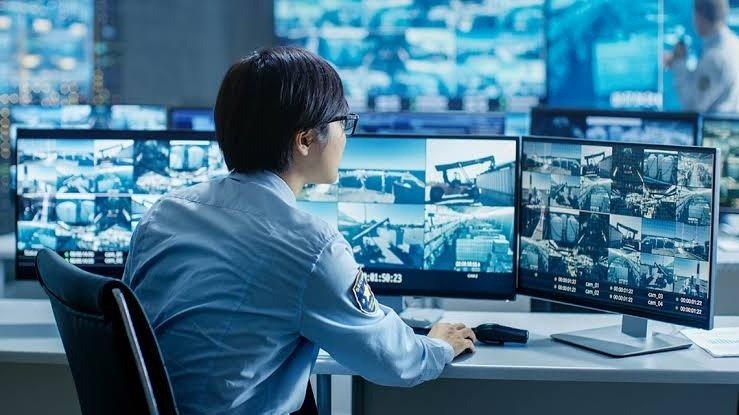
Security monitoring involves observing and assessing activity around a property or facility through systems such as cameras, alarms, sensors, and other technologies.
For businesses, monitoring can help protect employees, customers, equipment, inventory, and sensitive areas. For residential communities, it can contribute to a stronger sense of safety while helping property managers respond to unusual activity.
The objective is not simply to react after an incident. Effective monitoring is designed to support prevention, awareness, and timely response.
See also: The Technology Behind TITUM Fusion and Better Everyday Cooking
Deterring Potential Threats
Visible security measures can discourage unauthorized activity. Cameras, alarms, access-control systems, and monitored entrances make it more difficult for individuals to operate unnoticed.
Although no security system can guarantee that an incident will never occur, visible monitoring can make a property less attractive to opportunistic offenders.
This is particularly useful for businesses with valuable equipment, inventory, or sensitive information.
Faster Awareness of Security Events
One of the biggest advantages of professional monitoring is improved awareness.
A property owner may not be physically present when an alarm is triggered or unusual activity occurs. A reliable monitoring service can help ensure that security events receive attention even when employees, managers, or residents are away.
This can be especially valuable outside normal business hours, when buildings may have fewer people on-site.
Protecting Employees and Customers
Businesses have a responsibility to provide reasonably safe environments for employees and visitors.
Security monitoring can support this responsibility by helping organizations identify unusual activity around entrances, parking areas, restricted spaces, and other important locations.
When employees know that appropriate security measures are in place, they may also feel more confident about their workplace.
Supporting Residential Communities
Security monitoring is not limited to commercial properties.
Apartment complexes, gated communities, neighborhood facilities, and other residential environments can also benefit from monitoring systems.
Common areas, entrances, parking facilities, and shared amenities can be monitored to help identify unauthorized activity or unusual situations.
Community security strategies are most effective when monitoring technology is combined with sensible access procedures, adequate lighting, and clear communication with residents.
Modern Technology Improves Visibility
Today’s security systems can provide considerably more information than traditional alarm systems.
Depending on the setup, businesses and communities may use:
- Security cameras
- Motion sensors
- Door and window sensors
- Access-control systems
- Alarm monitoring
- Remote notifications
- Video verification
- Environmental monitoring
These technologies can work together to create a more comprehensive security strategy. The information collected from these systems can also be organized and evaluated using data analysis and visualization services, helping organizations identify recurring patterns and areas that may require additional attention.
The Role of Professional Monitoring
Security equipment is only one part of an effective protection plan. Someone also needs to interpret alerts and determine what action may be appropriate.
Professional monitoring services can provide an additional layer of oversight by responding to signals and following established procedures.
Organizations such as statewide monitoring corp can be part of a broader security strategy by providing monitoring support designed to help businesses and communities remain aware of potential security events.
Reducing False Alarms
False alarms can become a significant issue when security systems are poorly configured or not maintained properly.
Repeated false alerts can waste resources and cause people to become less responsive to legitimate warnings.
Professional monitoring and properly configured equipment can help organizations distinguish between routine activity and potentially significant events.
Regular system maintenance is also important for reducing technical problems that could create unnecessary alerts.
Supporting Business Continuity
Security incidents can interrupt normal business operations.
Theft, vandalism, unauthorized access, or property damage may lead to downtime, financial losses, and disruptions for employees and customers.
Reliable monitoring can help businesses identify problems sooner, potentially limiting the impact of an incident and supporting a faster return to normal operations.
Security should therefore be considered part of broader business continuity planning.
Protecting Valuable Assets
Every business has assets that require protection. These may include physical inventory, computers, machinery, vehicles, documents, and specialized equipment.
Monitoring systems can help protect areas where valuable assets are stored or used.
Businesses can also combine monitoring with access restrictions to limit entry to sensitive areas.
Security Monitoring and Remote Management
Remote access has become an important feature of modern security systems.
Depending on the technology being used, authorized users may be able to review system information, receive notifications, or check cameras from remote locations.
This can be particularly helpful for business owners who manage multiple properties or facilities.
Remote visibility allows decision-makers to remain informed without being physically present at every location.
Creating a Layered Security Strategy
No single security measure is sufficient for every situation.
A stronger approach combines multiple layers, such as:
- Physical barriers
- Adequate lighting
- Access control
- Surveillance cameras
- Alarm systems
- Professional monitoring
- Employee awareness
- Emergency procedures
Layered security makes it more difficult for a single point of failure to compromise an entire property.
Regular Maintenance Is Essential
Even the most advanced security system can become less effective if equipment is not maintained.
Businesses and communities should periodically check cameras, sensors, alarms, communication systems, and backup power sources.
Software and system updates should also be applied when appropriate.
Routine inspections can identify problems before an emergency occurs.
Privacy Should Be Considered
Security monitoring should always be implemented responsibly.
Businesses and communities should understand applicable privacy requirements and communicate appropriately about surveillance systems. Cameras and monitoring equipment should be positioned carefully, particularly in areas where individuals have reasonable expectations of privacy.
Responsible security practices can help organizations balance safety objectives with respect for personal privacy.
Training Employees and Residents
Technology works best when people understand how to use it.
Employees should know basic security procedures, including how to report suspicious activity, respond to alarms, and protect access credentials.
Residential communities can similarly provide residents with clear information about security procedures and appropriate reporting channels.
Training creates an additional layer of protection that technology alone cannot provide.
Conclusion
Reliable security monitoring plays an important role in protecting businesses and communities. By combining modern technology with professional oversight, preventive measures, regular maintenance, and clear procedures, organizations can improve awareness and respond more effectively to potential security incidents.
The strongest security strategy is rarely based on a single device or service. Instead, it combines multiple layers of protection designed around the property’s specific needs. With thoughtful planning and responsible monitoring, businesses and communities can create safer environments while protecting people, property, and valuable resources.