Understanding WireGuard VPN: Security, Encryption, and Privacy
Online privacy has become an important consideration for people who regularly connect through public Wi-Fi, work remotely, or access sensitive accounts while travelling. A virtual private network (VPN) can add a layer of protection by encrypting traffic between a device and a remote VPN server. However, the level of protection depends on the technology, configuration, and service provider involved.
WireGuard is a modern VPN protocol designed around a relatively simple architecture and contemporary cryptographic methods. It is used by VPN applications and network administrators who want an encrypted connection without the complexity of some older VPN configurations.
Understanding how WireGuard works can help users decide whether it fits their needs and what limitations to consider before relying on it for everyday security.
What Is WireGuard VPN?
WireGuard is an open-source protocol for establishing encrypted network connections between peers. Those peers might be two computers, a laptop and a remote server, or a personal device and a VPN provider’s infrastructure.
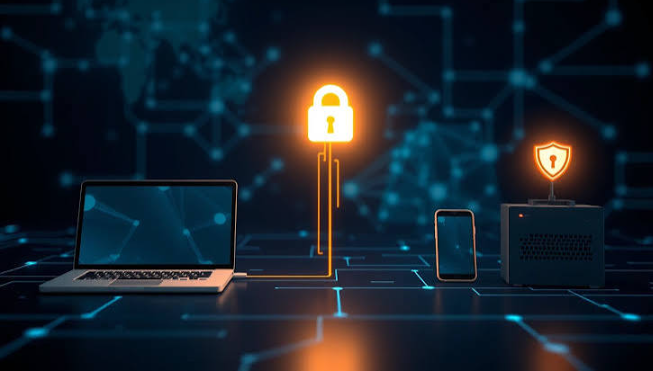
When used through a commercial VPN service, the protocol helps create an encrypted tunnel between the user’s device and a VPN endpoint. Traffic routed through that tunnel travels to the endpoint before continuing toward its destination.
This can help protect network traffic from being read by other parties on the local network. It can also cause websites to see the VPN endpoint’s public IP address instead of the public IP address normally associated with the user’s internet connection.
For a more detailed introduction to the technology, see this guide to understanding WireGuard VPN.
It is important to distinguish the protocol from the VPN service itself. WireGuard establishes the protected connection, while the provider manages infrastructure, server locations, applications, and the policies governing how the service operates.
See also: Emerging Technology Trends That Are Shaping Everyday Life
How Does WireGuard Encryption Work?
WireGuard uses established cryptographic building blocks to protect data exchanged through the tunnel. Its protocol design includes Curve25519 for key exchange, ChaCha20-Poly1305 for authenticated encryption, and BLAKE2s for hashing and related cryptographic operations.
These components have different responsibilities:
- Key exchange: Helps peers establish shared secret material for secure communication.
- Authenticated encryption: Protects the confidentiality of packets and helps detect unauthorized changes.
- Cryptographic hashing: Supports parts of the protocol’s key derivation and authentication design.
Together, these mechanisms help prevent someone observing the network from simply reading the encrypted traffic carried through the tunnel.
However, encryption does not make every part of an internet connection private. The VPN provider operates the remote endpoint, and the websites or services users visit may still collect information through accounts, cookies, browser fingerprinting, or other methods.
A secure protocol is therefore one part of a broader privacy strategy, not a guarantee of complete anonymity.
Is WireGuard Safe on Public Wi-Fi?
Public Wi-Fi networks are convenient, but users do not always know who operates them or how securely they are configured. Networks in hotels, airports, cafés, and other shared spaces may expose devices to local network monitoring or malicious access points.
A correctly configured WireGuard VPN can encrypt traffic between the device and the VPN endpoint. This makes it more difficult for someone on the same Wi-Fi network to inspect the contents of that traffic.
There are still several precautions worth taking:
- Check the connection status. Confirm that the VPN is connected before accessing sensitive services.
- Use HTTPS. A VPN does not replace the protection provided by HTTPS between your browser and a website.
- Keep devices updated. Operating system and browser updates address vulnerabilities that a VPN cannot fix.
- Enable leak protection where available. A kill switch can help prevent traffic from falling back to an unprotected connection if the VPN tunnel fails.
- Avoid suspicious access points. A VPN does not guarantee that a fake Wi-Fi hotspot is safe to use.
For banking, shopping, and other sensitive activities, combine a trusted VPN with secure websites, strong account authentication, and a device that is kept up to date.
What Are the Limits of WireGuard?
WireGuard can provide strong tunnel encryption, but its capabilities should not be confused with comprehensive device or identity protection.
For example, the protocol does not automatically prevent phishing, remove tracking cookies, secure compromised devices, or stop a malicious application from transmitting information. It also does not independently determine whether a VPN provider has trustworthy privacy practices.
Standard WireGuard uses UDP and does not include built-in traffic obfuscation. In some restrictive networks, that can affect whether the connection is allowed or easily identified as VPN traffic.
Users should also distinguish between the security of the protocol and the configuration of a particular service. Poorly managed keys, incorrect routing rules, or weak server administration can undermine an otherwise sound design.
The most useful approach is to evaluate the entire setup: protocol, application, device, network configuration, and service provider.
How to Choose a WireGuard VPN Provider
When comparing VPN services, look beyond speed claims and server counts. Consider the following questions:
- Does the provider clearly explain its privacy policy?
- Does it describe what information is collected to operate the service?
- Does its application support your operating system?
- Does it provide features such as a kill switch and DNS leak protection?
- Are server locations and connection limitations clearly explained?
- Can you obtain the application from the provider’s official website?
- Does the provider explain how free access is funded, if a free tier is offered?
A no-logs claim should be read carefully. Providers may avoid recording browsing destinations while still processing limited account, connection, security, or diagnostic information needed to operate their service. Those distinctions should be explained in the privacy documentation.
Users should also avoid assuming that every service using WireGuard has the same privacy protections. The protocol may be similar, but providers differ in their infrastructure, operational practices, and policies.
WireGuard and Everyday Online Privacy
WireGuard can be a practical option for people who want encrypted connections without configuring every aspect of a VPN manually. It is suitable for a variety of uses, including protecting traffic on shared networks, connecting to remote resources, and routing internet traffic through a VPN endpoint.
For everyday browsing, the benefits depend on how the connection is configured and what the user expects it to protect. A VPN can help reduce exposure to local network monitoring, but it cannot prevent every form of online tracking or replace basic security practices.
People who want a managed service can explore Shieldway VPN to learn about its WireGuard-based connection and available desktop applications. Before choosing any provider, review its current privacy policy, supported platforms, and plan conditions.
Shieldway’s free access requires enabling ByteConnect bandwidth sharing. The application asks for permission before sharing begins, and disabling bandwidth sharing disconnects the VPN. Users should understand that condition before deciding whether the service suits them.
Conclusion
WireGuard offers a modern approach to encrypted network connections, using established cryptographic methods and a focused protocol design. It can help protect traffic on public Wi-Fi and provide a convenient foundation for a VPN service.
Nevertheless, the protocol alone cannot guarantee anonymity, prevent malware, or ensure that a provider handles information responsibly. Users should consider the complete service, review its privacy practices, keep their devices updated, and enable appropriate connection safeguards.
With those precautions in place, WireGuard can be a useful part of a broader approach to online security.