How Cycling Eyewear Design Is Balancing Road Visibility, Comfort, and Protection
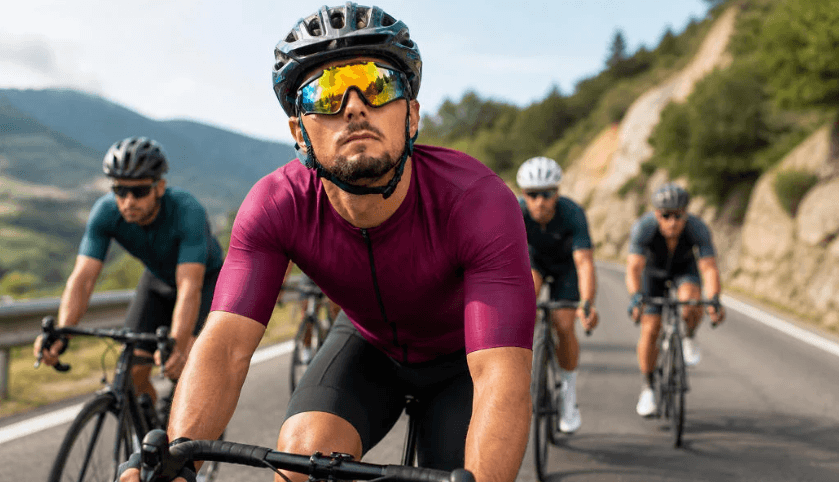
Cycling eyewear has evolved far beyond being a simple accessory worn to block sunlight. Riders depend on their glasses to manage glare, wind, dust, insects, changing light conditions, and visual distractions while maintaining a comfortable fit over long distances. These requirements create a surprisingly complex design challenge because cycling takes place in constantly changing environments. A cycling sunglasses manufacturer therefore has to consider much more than lens color or frame appearance when developing eyewear for road cyclists, commuters, mountain bikers, and competitive riders. Optical performance, ventilation, impact resistance, weight, fit, and durability all need to work together.
The requirements become even more demanding when riders move between different environments. A cyclist may begin a ride under bright sunlight, pass through shaded roads, encounter strong wind, or continue into the evening when visibility changes dramatically. Poorly designed eyewear can become distracting if it slips, fogs, creates excessive pressure, or reduces useful peripheral vision. Good cycling glasses are intended to stay stable during movement while keeping the rider’s visual field as clear as practical.
Manufacturing quality also has a direct relationship with how eyewear performs over time. Frames need to withstand repeated handling, lenses need to maintain optical clarity, and nose pads or temple components need to remain comfortable during extended use. The most effective designs are built around the actual demands of cycling rather than simply adapting ordinary sunglasses to a sporting application.
Cycling Creates Optical Demands That Ordinary Sunglasses May Not
A cyclist’s visual environment changes rapidly. Riders need to identify road surfaces, obstacles, vehicles, signs, other cyclists, and changes in terrain while maintaining forward momentum. Sunglasses therefore need to provide useful protection without unnecessarily limiting the rider’s field of view.
Lens shape can influence this experience. Wraparound or extended designs may provide broader coverage from sunlight and wind while helping reduce distractions from the sides. However, coverage needs to be balanced against ventilation and optical clarity. A lens that blocks external airflow too aggressively can contribute to fogging under demanding conditions.
Lens Technology Has a Direct Effect on Riding Comfort
Different lens technologies can serve different cycling environments. Darker lenses may be useful under strong sunlight, while lighter or adaptive options can be more practical when lighting changes frequently.
Contrast enhancement can also be valuable because cyclists need to distinguish changes in road texture and surface conditions. The objective is not simply to make the environment darker. Good cycling eyewear should help the rider maintain a comfortable visual experience while reducing excessive brightness.
Lens quality matters as well. Distortion, scratches, reflections, and inconsistent optical performance can become particularly noticeable when the rider is moving quickly. For performance-oriented eyewear, optical characteristics should be treated as a functional requirement rather than an aesthetic feature.
What Riders Usually Need From Performance Eyewear
The best design depends on the type of cycling, but several characteristics commonly influence the overall experience.
- Stable fit: Glasses should remain secure during movement and vibration.
- Useful field of view: The frame should not unnecessarily obstruct peripheral vision.
- Impact resistance: Lenses and frames should be appropriate for an active sporting environment.
- Ventilation: Airflow can help reduce fogging during intense activity.
- Light management: Lens characteristics should match the expected riding conditions.
- Low weight: Lightweight construction can improve comfort during long rides.
- Durable materials: Components should withstand repeated use and handling.
- Comfortable contact points: Nose pads and temple areas should avoid excessive pressure.
- Easy maintenance: Riders should be able to clean and store the eyewear without damaging important components.
These factors interact with one another. Increasing coverage may improve protection but can also affect ventilation. Adding structural material may increase durability while increasing weight. Good design therefore involves balancing competing requirements rather than maximizing one feature.
Frame Geometry Influences More Than Appearance
Cycling frames are often shaped differently from conventional casual sunglasses because the rider’s head position and visual needs are different. A cyclist may lean forward while riding, meaning the eyewear needs to remain stable without creating uncomfortable pressure.
Frame geometry also affects airflow and lens placement. The distance between the lens and face can influence ventilation, while the shape of the frame can determine how much of the surrounding environment remains visible. Small changes in geometry can therefore affect comfort, stability, and optical performance simultaneously.
Ventilation Is Essential During High-Intensity Riding
Fogging can become a serious distraction when a rider is climbing, sprinting, or cycling through humid conditions. Heat generated by physical exertion can cause moisture to build up around the lens, particularly when airflow is restricted.
Ventilation openings and carefully designed gaps can help move air through the eyewear. However, excessive openings may allow more wind, dust, or insects to reach the eyes. The design challenge is to create sufficient airflow without sacrificing the protective role of the glasses.
Comfort Becomes More Important as Ride Duration Increases
A pair of glasses may feel comfortable during a short test but become irritating after several hours. Pressure around the nose, ears, or temples can become increasingly noticeable during long-distance riding.
Weight distribution matters as well. If the glasses are front-heavy or poorly balanced, riders may continually adjust them while moving. Adjustable nose pads, flexible frame components, and suitable temple geometry can help create a more stable fit across different face shapes.
Impact Protection Is Part of the Sporting Design
Cycling involves movement through environments where unexpected objects can appear. Gravel, insects, branches, and other debris may reach the rider at speed. Eyewear therefore serves a protective role in addition to controlling light.
Lens and frame materials should be selected with the intended application in mind. Protection requirements can vary between road cycling, mountain biking, commuting, and other disciplines. A rider traveling through an urban environment may face different hazards from someone riding technical trails.
Manufacturing Consistency Matters
Even a well-designed eyewear concept can perform poorly if manufacturing quality varies from one unit to another. Frame dimensions, lens positioning, surface finish, hinge alignment, and other details need to remain within appropriate tolerances.
Consistency is particularly important for lenses because small variations can affect optical performance. Quality-control processes can help identify defects before products reach riders. Inspection may include checking lens clarity, frame alignment, surface condition, component assembly, and overall finish.
Materials Influence the Final Product
Cycling eyewear needs materials that combine several desirable characteristics. Frames may need to be lightweight while remaining sufficiently resilient, while lenses need to provide optical clarity and appropriate resistance to impact and everyday handling.
Material selection also affects temperature performance, flexibility, and long-term durability. Components exposed to sweat, moisture, sunlight, and frequent cleaning need to remain functional under those conditions. The choice of material should therefore be based on actual use rather than appearance alone.
See also: How a Business Attorney Greenville SC Can Help Your Business
Different Cycling Disciplines Need Different Designs
There is no single ideal pair of cycling glasses for every rider. Road cyclists may prioritize aerodynamic coverage, broad visibility, and changing-light performance. Mountain bikers may place greater emphasis on impact protection, stability, and dust resistance.
Commuters can have another set of requirements. They may need eyewear that works across changing weather and lighting conditions while remaining suitable for everyday use. Competitive riders may focus heavily on weight, optical performance, ventilation, and fit. Understanding these differences allows manufacturers to develop products around genuine riding needs.
Maintenance Can Extend Eyewear Performance
Even high-quality cycling glasses require proper care. Lenses can accumulate dust, sweat, sunscreen residue, and road particles. Wiping the surface with inappropriate materials can eventually create scratches or reduce optical clarity.
Riders should follow suitable cleaning and storage practices for the specific eyewear. Keeping glasses in a protective case when not in use can also reduce accidental damage. Proper maintenance does not change the original design, but it can help preserve the qualities that made the eyewear useful in the first place.
Final Thoughts
Cycling eyewear has to solve several problems simultaneously. It needs to manage light, protect the eyes, remain stable during movement, provide useful visibility, resist everyday wear, and stay comfortable during extended activity. These requirements explain why purpose-built cycling glasses can involve considerably more design consideration than ordinary sunglasses.
A capable cycling sunglasses manufacturer must bring optical performance, frame engineering, material selection, ventilation, fit, and quality control together into one product. The strongest designs are not necessarily those with the most features, but those in which every feature serves a practical purpose for the rider. When comfort and protection are developed alongside optical clarity and reliable construction, cycling eyewear can become an important part of a rider’s equipment rather than simply an accessory.