How the Right Packing Line Machine Can Transform a High-Volume Production Workflow
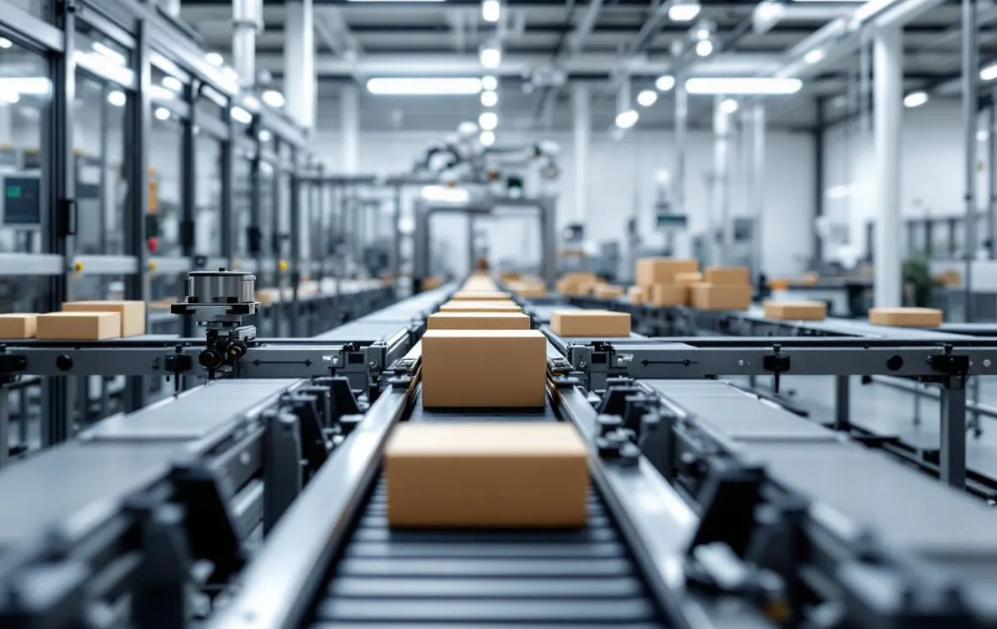
Packaging is often the final major stage between production and the customer, yet it can become one of the biggest sources of delay when products are handled through disconnected or inconsistent processes. Manual filling, weighing, sealing, labeling, and inspection may work for small volumes, but growing operations often need greater speed and consistency without sacrificing product quality. A properly selected packing line machine can bring multiple packaging stages into a coordinated workflow, reducing unnecessary handling and creating a more predictable production rhythm. The real advantage is not simply automation itself. It is the ability to design a packaging process around the product, required output, available space, labor resources, and quality expectations.
Modern packaging lines can be configured for a wide range of products, including food, beverages, pharmaceuticals, cosmetics, household goods, chemicals, and industrial components. Each application introduces different requirements. Fragile products may need gentle handling, powders can create dust-management challenges, liquids require controlled filling, while irregular products may need specialized feeding systems. Packaging material also matters because bottles, pouches, cartons, trays, jars, and other containers behave differently during filling and sealing. Understanding these variables before purchasing equipment helps businesses avoid choosing a system that performs well in theory but does not fit the realities of their production floor.
Automation also changes how a facility manages quality and labor. A coordinated line can perform repetitive operations at a consistent pace, while sensors and control systems can monitor selected stages of the process. However, automation does not eliminate the need for planning. Operators still need appropriate training, equipment needs maintenance, and the line must be configured correctly for the products and packaging materials being used. The most successful installations treat the packaging line as part of the wider production system rather than as an isolated machine.
Packaging Automation Starts With the Product
The physical characteristics of a product influence almost every decision in packaging equipment selection. Weight, shape, dimensions, texture, viscosity, temperature, and sensitivity can all determine how the product should be conveyed, filled, grouped, or sealed. A free-flowing granular product can require a very different dosing method from a thick liquid or delicate solid.
Product consistency matters as well. If product size or weight varies significantly, feeding and filling systems may need additional controls to maintain reliable output. Some operations also handle multiple product sizes or package formats on the same line. In these cases, changeover requirements become an important consideration. Equipment that can be adjusted efficiently between products may reduce downtime and make a flexible production schedule easier to manage.
See also: Techsslassh Com Review: Technology News, Online Guides, and Digital Insights
Output Targets Should Be Realistic
Production managers naturally want packaging equipment that can increase throughput, but the highest advertised speed is not necessarily the speed a facility will achieve in daily operation. Actual output can be influenced by product characteristics, package dimensions, feeding consistency, changeovers, operator intervention, material supply, and stoppages.
A useful evaluation therefore looks beyond maximum speed and considers expected operating conditions. If the packaging process regularly stops because containers arrive inconsistently or materials need frequent adjustment, increasing machine speed may provide little benefit. A balanced system that maintains steady output can sometimes create better productivity than equipment designed around an aggressive theoretical rate.
Key Features to Evaluate Before Investing
Packaging equipment can differ significantly depending on the application, so a structured assessment helps identify the most important characteristics.
- Product compatibility: Confirm that the equipment can handle the product’s physical and chemical properties.
- Packaging format: Consider whether the line supports the required bottles, pouches, cartons, trays, or other containers.
- Production speed: Evaluate expected real-world throughput rather than relying only on maximum rated speed.
- Changeover time: Consider how quickly the line can be adjusted between products or package sizes.
- Accuracy: Check the level of filling, weighing, counting, or dosing precision required.
- Footprint: Make sure the equipment fits within the available production space.
- Control system: Evaluate operator controls, monitoring functions, alarms, and data capabilities.
- Cleaning requirements: Particularly important for food, beverage, pharmaceutical, and hygiene-sensitive applications.
- Maintenance access: Ensure routine inspection and servicing can be performed efficiently.
- Future flexibility: Consider whether the line can support expected product or volume changes.
These factors should be considered together. A highly compact machine may save floor space but provide limited flexibility, while a very fast line may require more operators or supporting equipment than expected. The right choice is the one that fits the entire production process.
Integration Makes Automation More Valuable
A packaging line rarely operates independently. It may receive products from processing equipment and then transfer finished packages toward inspection, coding, case packing, palletizing, or storage. If these stages are poorly synchronized, a fast packaging machine can simply move the bottleneck to another part of the facility.
Integration can help maintain a more consistent flow. Conveyors, sensors, feeders, filling equipment, sealing systems, labeling units, inspection devices, and downstream packaging equipment may need to communicate or operate in a coordinated sequence. The exact configuration depends on the application, but the underlying principle remains the same: every stage should support the overall production rate rather than operate according to unrelated targets.
Changeovers Can Have a Major Effect on Productivity
Facilities that package several products or sizes need to consider how easily the line can change from one configuration to another. Long changeovers reduce productive operating time and can make small production runs less economical. Equipment designed with accessible adjustment points, clearly defined settings, and suitable tooling can help simplify the transition.
Changeover planning should also include cleaning and material replacement where necessary. Food, pharmaceutical, and other regulated industries may have strict procedures for preventing cross-contamination. A system that looks efficient during continuous production may become less attractive if switching between products requires extensive downtime. Evaluating the entire production schedule gives a more accurate picture of the equipment’s practical value.
Accuracy and Consistency Protect Product Quality
Packaging is not only about speed. The amount of product placed into each package, the position of labels, the quality of seals, and the appearance of finished units can all influence customer satisfaction and operational costs. Inconsistent filling may lead to product giveaway or underfilled packages, while unreliable sealing can create waste and quality issues.
Sensors, weighing systems, vision equipment, and other controls can help monitor different stages depending on the line design. Automated inspection can identify selected problems before products leave the facility. However, inspection systems work best when they are integrated into a well-controlled process. Automation should support quality management rather than simply detect problems after they have already become widespread.
Hygiene and Cleaning Need to Be Designed Into the Process
Packaging equipment used for food, beverages, pharmaceuticals, cosmetics, and other sensitive products may require careful sanitation. Surfaces, joints, conveyors, filling components, and product-contact areas can all affect cleaning efficiency. Equipment should be selected with the facility’s hygiene procedures and applicable requirements in mind.
Cleaning time can also influence production efficiency. A machine that is difficult to access may require longer downtime during routine sanitation. Conversely, equipment designed for easier access can make cleaning and inspection more manageable. The best configuration depends on the product and regulatory environment, but hygiene should be considered during equipment selection rather than after installation.
Maintenance Keeps the Line Moving
A packaging line can contain numerous mechanical, electrical, pneumatic, and control components. When one critical component fails, the entire process may stop. Preventive maintenance is therefore essential for reducing unexpected downtime and identifying wear before it becomes a major failure.
Maintenance planning should include access to consumable parts, replacement components, technical documentation, and trained personnel. Operators can also contribute by identifying unusual noise, vibration, inconsistent output, or repeated alarms before these signs develop into larger problems. Keeping maintenance records can help production teams identify recurring issues and schedule service during planned downtime.
Operator Training Still Matters in Automated Facilities
Automation reduces repetitive manual work, but it does not remove the need for skilled operators. Employees need to understand normal machine operation, changeover procedures, safety systems, cleaning requirements, and basic troubleshooting. Clear training can also help operators recognize abnormal conditions before they affect a large quantity of product.
Human oversight becomes especially important when a line handles several products or package formats. Operators may need to verify settings, packaging materials, labels, and product codes before production begins. Good procedures make it easier to maintain consistency while reducing the likelihood of avoidable errors.
Final Thoughts
A packaging line should be selected around the complete production process rather than one attractive specification. Product characteristics, package format, throughput, changeovers, accuracy, hygiene, integration, maintenance, and operator requirements all influence how effectively the system will perform. A machine that appears highly capable in isolation may not deliver the expected productivity if the rest of the line cannot keep pace.
A well-planned packing line machine can provide significant advantages when it is properly matched to the products, packaging formats, and operating conditions of a facility. The strongest results come from treating automation as a coordinated production strategy rather than simply replacing manual tasks with machinery. When equipment selection, integration, training, maintenance, and quality control are planned together, packaging can become a more consistent and scalable part of the manufacturing workflow.