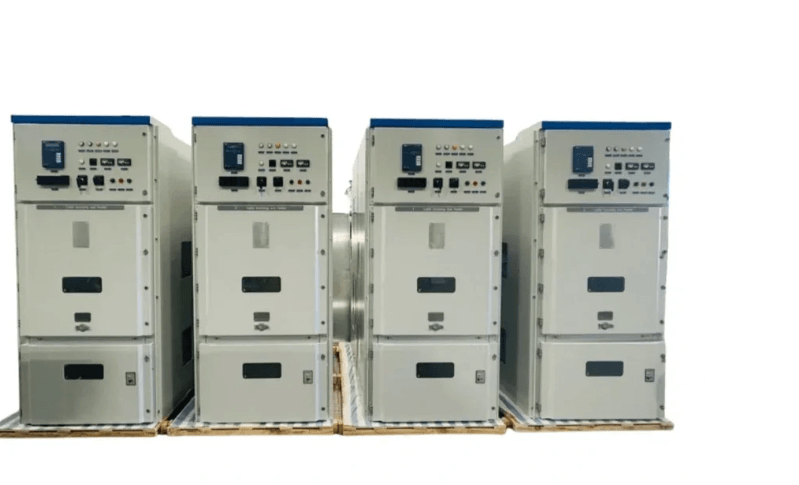
How Gas Insulated Switchgear Improves Power System Reliability
Modern power networks are under constant pressure to deliver uninterrupted, high-quality electricity to residential, commercial, and industrial users. As cities become denser and electrical demand increases, traditional air-insulated systems often struggle to meet space, safety, and reliability requirements. This is where gas insulated switchgear (GIS) plays a transformative role.
Gas insulated switchgear is a compact, highly reliable electrical system that uses insulating gas to protect and control high-voltage components. It is widely used in substations, urban infrastructure, and critical facilities where downtime is not an option. This article explains how GIS technology works and how it significantly improves power system reliability.
Understanding Gas Insulated Switchgear (GIS)
Gas insulated switchgear is an advanced type of electrical switchgear where components such as circuit breakers, disconnectors, and busbars are enclosed in a sealed metal housing filled with insulating gas.
What Is the Insulating Gas?
Most GIS systems use sulfur hexafluoride (SF₆) or similar insulating gases because they offer:
- Excellent electrical insulation properties
- High arc-quenching capability
- Compact system design support
- Stable performance under high voltage
Core Components of GIS
A typical gas insulated switchgear system includes:
- Circuit breakers
- Busbars
- Disconnectors
- Earthing switches
- Current and voltage transformers
- Gas-filled metallic enclosures
Why Power System Reliability Matters
Power system reliability refers to the ability of the electrical grid to consistently deliver electricity without interruptions or failures.
Common Reliability Challenges
Traditional air-insulated systems face issues such as:
- Exposure to weather conditions
- Dust and pollution interference
- Space constraints in urban areas
- Higher risk of flashovers
- Maintenance difficulties
Impact of Poor Reliability
Unreliable power systems can lead to:
- Frequent outages
- Equipment damage
- Industrial downtime
- Loss of productivity
- Reduced customer satisfaction
How Gas Insulated Switchgear Enhances Reliability
GIS improves power system reliability through superior insulation, compact design, and reduced exposure to external factors.
Superior Electrical Insulation
The insulating gas inside GIS provides much higher dielectric strength than air.
This results in:
- Reduced risk of electrical breakdown
- Lower chances of flashover
- Stable performance under high voltage stress
Because the components are fully enclosed, external conditions do not affect insulation performance.
Protection from Environmental Factors
Unlike air-insulated switchgear, GIS is completely sealed, which means it is protected from:
- Dust and pollution
- Moisture and humidity
- Salt contamination in coastal areas
- Temperature fluctuations
This makes GIS highly reliable in harsh environments and urban locations.
Compact Design and Space Efficiency
One of the most important advantages of GIS is its compact structure.
Reduced Installation Footprint
GIS systems require significantly less space because:
- Components are tightly enclosed in gas-filled compartments
- High-voltage clearance distances are minimized
- Substations can be built in smaller areas
Urban Infrastructure Benefits
This compactness is especially useful in:
- Dense city centers
- Underground substations
- Industrial zones with limited space
By saving space, GIS allows utilities to install more reliable systems where traditional switchgear would not fit.
Improved Fault Handling and Arc Quenching
Fault management is a critical aspect of power system reliability.
Fast Arc Extinction
The insulating gas used in GIS has excellent arc-quenching properties, meaning:
- Electrical arcs are quickly extinguished during faults
- Damage to equipment is minimized
- System recovery is faster
Reduced Fault Impact
When a fault occurs:
- It is isolated quickly within the sealed system
- Surrounding components remain unaffected
- Outage areas are minimized
This improves overall grid stability and reduces downtime.
Enhanced Operational Safety
Safety is directly linked to reliability in power systems.
Fully Enclosed System Design
GIS systems are sealed, which ensures:
- No direct human contact with live parts
- Reduced risk of accidental faults
- Protection against external interference
Lower Risk of Electrical Accidents
Because live components are not exposed:
- Maintenance risks are significantly reduced
- Operator safety is improved
- Unauthorized access is prevented
Lower Maintenance Requirements
Maintenance plays a major role in system reliability.
Minimal Environmental Wear
Since GIS is sealed:
- No dust accumulation on components
- No corrosion from external moisture
- Reduced wear and tear over time
Longer Maintenance Intervals
Compared to air-insulated systems, GIS requires:
- Fewer inspections
- Reduced cleaning requirements
- Less frequent servicing
This leads to higher system availability and fewer outages.
Higher System Availability
Reliability is measured by how often a system is available for use.
Reduced Outage Frequency
GIS improves availability by:
- Preventing environmental-related failures
- Reducing internal faults
- Ensuring stable operation under varying conditions
Faster Restoration After Faults
When issues occur:
- Faults are easier to isolate
- Repair times are shorter
- System sections can remain operational
This results in minimal service disruption.
Integration with Modern Power Grids
Gas insulated switchgear is well-suited for modern and evolving energy systems.
Smart Grid Compatibility
GIS can be integrated with:
- Digital monitoring systems
- Automated control networks
- Remote diagnostic tools
Renewable Energy Integration
It supports renewable energy systems such as:
- Solar power plants
- Wind farms
- Hybrid energy networks
By stabilizing voltage and managing switching operations, GIS improves renewable energy reliability.
Performance in High-Demand Applications
GIS is widely used in environments where reliability is critical.
Industrial Power Systems
Industries benefit from:
- Continuous operation without interruptions
- Protection of sensitive machinery
- Stable high-load performance
Utility Substations
Utilities use GIS for:
- Urban substations
- Underground networks
- High-voltage distribution control
Critical Infrastructure
It is essential in:
- Hospitals
- Airports
- Data centers
Where even a short outage can have serious consequences.
Environmental and Long-Term Benefits
GIS also contributes to sustainable and long-lasting infrastructure.
Reduced Land Usage
Its compact design reduces:
- Land acquisition requirements
- Environmental disruption
- Construction footprint
Long Service Life
Because it is sealed and protected:
- Components last longer
- Degradation is minimized
- Replacement cycles are extended
Challenges and Considerations
While GIS offers many benefits, there are important considerations.
Higher Initial Cost
- Installation costs are higher than traditional systems
- Requires specialized equipment and expertise
Gas Handling Requirements
- Insulating gas must be carefully managed
- Environmental regulations apply to SF₆ handling
Skilled Maintenance Needs
- Requires trained technicians
- Specialized diagnostic tools are necessary
Future of Gas Insulated Switchgear
GIS technology continues to evolve with modern energy demands.
Eco-Friendly Gas Alternatives
Research is focused on:
- Replacing SF₆ with greener alternatives
- Reducing greenhouse gas impact
- Improving environmental sustainability
Digital Substations
Future GIS systems will include:
- Fully automated operation
- AI-based fault detection
- Real-time performance optimization
Increased Urban Deployment
As cities expand, GIS will become more common in:
- Underground substations
- Smart city infrastructure
- High-density power networks
See also: The Strategic Edge: Why Quality Research is the Key to STEM and Business Degrees
Final Thoughts
Gas insulated switchgear significantly improves power system reliability by offering superior insulation, compact design, enhanced safety, and reduced maintenance requirements. Its ability to operate efficiently in harsh environments and high-demand applications makes it a preferred solution for modern electrical infrastructure.
By minimizing faults, improving fault isolation, and ensuring stable operation, GIS plays a vital role in maintaining uninterrupted power supply. As electrical networks continue to evolve toward smarter and more compact systems, gas insulated switchgear will remain a cornerstone of reliable and efficient power distribution.
In essence, GIS is not just an advanced switchgear system—it is a key enabler of stable, safe, and future-ready power networks.