How Sewer Excavation Works to Repair Underground Pipes
A damaged or aging sewer line can cause recurring backups, slow drainage, foul odors, water damage, and other costly plumbing problems. When a sewer pipe can no longer be repaired effectively, property owners may need to consider replacement. Two common approaches are Pipe bursting sewer line replacement and traditional sewer excavation. The right option depends on the condition, location, accessibility, and material of the existing sewer line.
What Is Pipe Bursting Sewer Line Replacement?
Pipe bursting sewer line replacement is a trenchless method used to replace an existing underground sewer pipe. Instead of digging a continuous trench along the entire pipeline, specialized equipment breaks apart the old pipe while simultaneously pulling a new pipe into its place.
The process generally involves creating access points at appropriate locations and using a bursting head to fracture the existing pipe. The new pipe is then pulled through the resulting pathway.
This method can be useful when a sewer line has:
- Severe cracking
- Structural deterioration
- Significant root intrusion
- Collapsed sections
- Repeated failures
- Major corrosion
- Other conditions requiring replacement
See also: How to Choose the Right Life Partner: 7 Things That Actually Matter for a Lasting Marriage
How Does Pipe Bursting Work?
A typical pipe bursting project may involve several stages:
- Sewer inspection – A camera inspection helps identify the location and severity of the problem.
- Site preparation – Technicians determine suitable access points.
- Access excavation – Small pits may be created at strategic locations.
- Bursting equipment placement – Specialized equipment is positioned along the pipe route.
- Old pipe displacement – The bursting head breaks or expands the existing pipe.
- New pipe installation – The replacement pipe is pulled into the newly created pathway.
- Connection and testing – The new sewer line is connected and checked for proper operation.
The exact process depends on the property’s layout, pipe material, depth, diameter, and local requirements.
What Is Sewer Excavation?
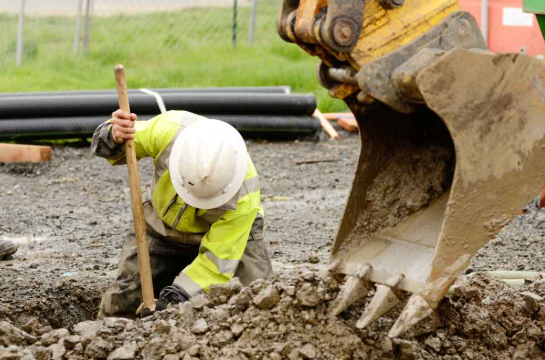
sewer excavation is the traditional method of accessing an underground sewer line by digging a trench to expose the damaged pipe. Once the pipe is accessible, contractors can repair or replace the affected section.
Traditional excavation may be appropriate when:
- The sewer line is severely damaged.
- The pipe has collapsed.
- The line has major alignment problems.
- The existing route needs to be changed.
- Trenchless methods are not suitable.
- Other underground infrastructure requires direct access.
- A specific section needs conventional replacement.
Although excavation can be more disruptive to the property, it remains an important solution for many sewer replacement projects.
Pipe Bursting vs. Sewer Excavation
Both methods have advantages and limitations.
| Feature | Pipe Bursting | Sewer Excavation |
| Surface disruption | Usually reduced | Often greater |
| Continuous trench | Generally not required | Required |
| Landscaping impact | Potentially lower | Potentially higher |
| Driveway disruption | May be reduced | May require removal |
| Access | Strategic access pits | Full trench access |
| Suitable for | Many replacement projects | Broad range of conditions |
| Property restoration | Often reduced | May be extensive |
The best choice should be based on an inspection rather than simply selecting the least disruptive option.
Benefits of Pipe Bursting
One of the primary advantages of Pipe bursting sewer line replacement is that it can minimize excavation compared with conventional replacement.
Potential benefits include:
- Less disturbance to landscaping
- Reduced impact on driveways and walkways
- Fewer large excavation areas
- Faster restoration in suitable projects
- Ability to install a new pipe
- Potentially less disruption to property occupants
Pipe bursting can be particularly attractive when the sewer line runs underneath areas that would be expensive or difficult to restore.
When Is Sewer Excavation the Better Choice?
Despite the advantages of trenchless replacement, traditional sewer excavation can sometimes be the more appropriate solution.
Excavation may be recommended when the existing sewer route is unsuitable for bursting, when extensive ground problems exist, or when other underground infrastructure needs to be addressed simultaneously.
Direct excavation also gives contractors complete visibility of the pipe and surrounding soil, which can be useful when diagnosing complicated structural problems.
How Do You Know Which Method You Need?
A professional sewer inspection is usually the best starting point. A camera can reveal:
- Pipe cracks
- Root intrusion
- Blockages
- Corrosion
- Collapsed sections
- Joint separation
- Misalignment
- Structural deterioration
The location and depth of the pipe should also be evaluated before deciding between trenchless replacement and excavation.
What Can Affect Sewer Replacement Cost?
The cost of a sewer replacement project can vary significantly depending on the property and the repair method.
Important factors include:
- Pipe length
- Pipe diameter
- Depth
- Soil conditions
- Accessibility
- Existing pipe material
- Severity of damage
- Number of connections
- Landscaping or hardscaping
- Local permitting requirements
While pipe bursting can reduce surface restoration in some situations, it is not automatically less expensive than excavation. A detailed estimate should account for the entire project.
Signs You May Need Sewer Line Replacement
Not every sewer problem requires complete replacement. However, repeated problems can indicate that the underlying pipe is deteriorating.
Warning signs include:
- Frequent sewer backups
- Persistent slow drainage
- Repeated root intrusion
- Sewage odors
- Multiple clogged fixtures
- Wet spots over the sewer line
- Sinkholes or ground settlement
- Repeated repairs to the same section
- Camera inspections showing significant structural damage
If problems continue after cleaning or spot repairs, a professional may recommend evaluating replacement options.
Choosing a Sewer Replacement Contractor
Whether you need Pipe bursting sewer line replacement or sewer excavation, selecting an experienced contractor is important.
Before hiring a company, ask:
- Will you perform a sewer camera inspection?
- What is causing the pipe failure?
- Is trenchless replacement suitable?
- What type of replacement pipe will be installed?
- How much excavation will be required?
- What permits are necessary?
- What warranty is provided?
- Will the completed line be tested?
A reliable contractor should explain why a particular replacement method is recommended rather than simply offering one solution for every property.
Final Thoughts
Sewer replacement does not have to follow a one-size-fits-all approach. Pipe bursting sewer line replacement can provide a trenchless alternative for suitable properties, potentially reducing surface disruption while installing a new sewer pipe.
Traditional sewer excavation remains an important option when direct access is necessary or when site and pipe conditions make trenchless replacement unsuitable. A professional camera inspection and property assessment can help determine which approach is appropriate for your sewer system.