Keeping Your Automatic Plastic Wrapping Machine Running Smoothly: Maintenance and Safety Basics
A wrapping machine is a long term investment, and like any piece of equipment it gives its best results when it is looked after. Many production delays that seem sudden are actually the result of small problems that were ignored for weeks. The good news is that a simple routine can prevent most of them. If you operate or plan to buy an automatic plastic wrapping machine, these maintenance and safety basics will help you protect both the machine and your team.
Start With the Manual
It sounds obvious, but the maker’s manual is the most reliable source of information about your particular model. It explains which parts need lubrication, how often to inspect belts and blades, and what settings are safe. Keep a copy near the machine, and make sure that new operators read it before they start work. If the manual is missing, ask the supplier for another one instead of guessing.
A Simple Daily Routine
Short checks at the start and end of each shift take only a few minutes.
- Look over the machine. Check for loose covers, unusual noises, oil marks or damaged wires.
- Clean the sealing area. Melted film residue can stick to sealing parts and spoil the seam on the next pack.
- Check film rolls. Make sure the roll is mounted correctly and that the edge is clean and straight.
- Test the guards and emergency stop. Both must work every single day.
- Clear scraps. Pieces of film left near moving parts can jam the feed.
Weekly and Monthly Care
Some tasks do not need to be done daily but should never be forgotten. Once a week, wipe down conveyors and rollers and look for uneven wear. Once a month, or as the manufacturer advises, lubricate the moving parts that need it, check the tension of belts and chains, and make sure that bolts and fittings are tight. If the machine uses a heat tunnel, inspect the heating elements and the air flow, because dust can reduce performance over time.
Cutting blades deserve special attention. A dull blade tears the film instead of cutting it cleanly, and a torn edge is a common reason for poor seals. Replace blades according to the maker’s guidance, and handle them carefully.
Keep a Maintenance Log
A notebook or simple spreadsheet is enough. Write down the date, what was checked, what was replaced and who did the work. Over time, the log shows patterns. For example, if the same belt needs replacement every few months, you can order it before it fails. A log also helps when you contact the supplier, because you can describe the problem with real details.
Safety Comes First
Wrapping machines have moving parts and heated surfaces, so safe habits are not optional.
- Switch off and let it cool before cleaning or clearing a jam. Never place hands near blades or sealing jaws while the machine is powered.
- Never remove guards. They are there to prevent injuries, even when they seem inconvenient.
- Wear suitable clothing. Loose sleeves, jewellery and long loose hair can be caught in moving parts.
- Train every operator. People should know how to start, stop and reset the machine, and what to do in an emergency.
- Keep the area tidy. Boxes, tools or spilled material on the floor are a slipping hazard.
- Follow local electrical rules. Make sure the machine is connected to a properly rated and earthed supply.
Troubleshooting Common Problems
When something goes wrong, check the simple things first. If seals are weak, look at temperature settings, film quality and the cleanliness of the sealing parts. If the film wrinkles, check the film tension and the alignment of the roll. If the pack is not covered properly, verify that the film width and cut length match the product size. And if the machine keeps stopping, look for dirty sensors or a loose connection before assuming a major fault. Whenever you are unsure, contact the supplier or a qualified technician instead of forcing a repair.
Spare Parts and Support
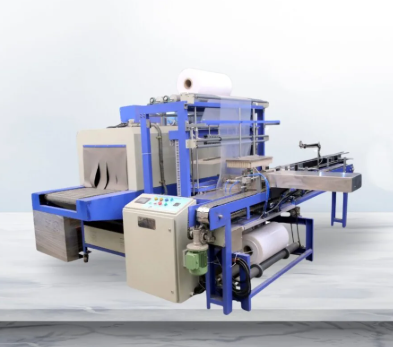
It is wise to keep a small stock of items that wear out regularly, such as blades, belts and heating elements. Ask your supplier for a recommended list. Also find out in advance how technical help is provided, so that you are not searching for answers during a busy day. If you are comparing options, you can look at the details of an automatic plastic wrapping machine and ask about spare parts and support before you buy.
Final Thoughts
Good maintenance is not complicated. Clean regularly, inspect often, keep records and respect safety rules. These small habits reduce downtime, improve pack quality and help the machine serve your business for many years.