Modern Small Living Room Ideas: Design Tips That Work
AI Overview Summary
Modern small living room ideas focus on maximizing limited square footage through smart furniture selection, strategic layouts, light color palettes, and multi-functional storage. Key strategies include floating furniture off walls, choosing scale-appropriate pieces, using vertical space, and applying light or neutral colors to visually expand the room. Mirrors, built-in shelving, and modular furniture are consistently ranked as the most effective tools for small living room design.
Key Takeaways
- Floating furniture away from walls creates the illusion of a larger room.
- Neutral and light color palettes make small spaces feel open and airy.
- Multi-functional furniture — like storage ottomans and sleeper sofas — serves double duty.
- Mirrors and vertical storage expand perceived space without adding square footage.
- Consistent, clutter-free design is the single biggest factor in modern small living room success.
- Rooms under 200 sq ft benefit most from modular and wall-mounted furniture systems.
Modern Small Living Room Ideas
Modern small living room ideas help homeowners and renters maximize limited space without sacrificing comfort or aesthetics. Whether you are working with a 150-square-foot apartment living room or a compact 300-square-foot open-plan space, the right design choices make a measurable difference. Proportional furniture, deliberate layouts, and a restrained color palette are the three pillars of every successful modern small living room.
What Makes a Living Room Feel Modern and Small-Space Friendly?
A modern small living room balances clean lines, minimal clutter, and functional furniture. The modern design language emphasizes intentionality: every piece earns its place.
Three characteristics define a modern small living room:
- Low-profile, scale-appropriate furniture that does not overwhelm the floor plan
- Neutral or monochromatic color schemes with deliberate accent colors
- Integrated storage that hides clutter and keeps surfaces clear
According to the National Association of Realtors, living rooms between 150 and 350 square feet are the most common in U.S. urban apartments. Design choices in this range have a direct effect on both perceived size and resale value.
Best Layout Strategies for a Small Living Room
Float Furniture Away From the Walls
Pushing furniture against walls is a common instinct in small rooms, but it actually makes the space feel more cramped. Floating a sofa 6 to 12 inches from the wall creates visual breathing room and defines a cohesive seating zone.
A floating arrangement also allows for a narrow console table behind the sofa, adding both surface space and a sense of depth that perimeter-aligned layouts cannot achieve.
Use a Rug to Define Zones
An area rug anchors the seating arrangement and signals where the living space begins and ends. In open-plan apartments, a rug is the most cost-effective way to create distinct zones without walls or dividers.
Choose a rug that fits at least the front legs of all major seating pieces. A rug that is too small reads as an afterthought and makes the room look fragmented.
Prioritize Traffic Flow
Leave at least 30 to 36 inches of clear walkway between furniture pieces. Tight traffic paths create daily frustration and make a room feel difficult to navigate regardless of its square footage.
Furniture Choices That Work in Modern Small Living Rooms
Scale-Appropriate Sofas
A sofa that is too large dominates a small living room and limits arrangement options. Look for sofas between 72 and 84 inches in length for rooms under 250 square feet. Apartment-depth sofas (typically 32 to 34 inches deep) save several inches of floor space compared to standard models.
Sofas with exposed legs lift the visual weight of the piece, allowing the eye to see more of the floor and making the room feel larger.
Multi-Functional Furniture
Storage ottomans serve as a coffee table, extra seating, and hidden storage simultaneously. Sleeper sofas convert living rooms into guest rooms without requiring a separate bedroom. Nesting tables replace a fixed coffee table while providing flexible surface options.
Wall-Mounted and Built-In Options
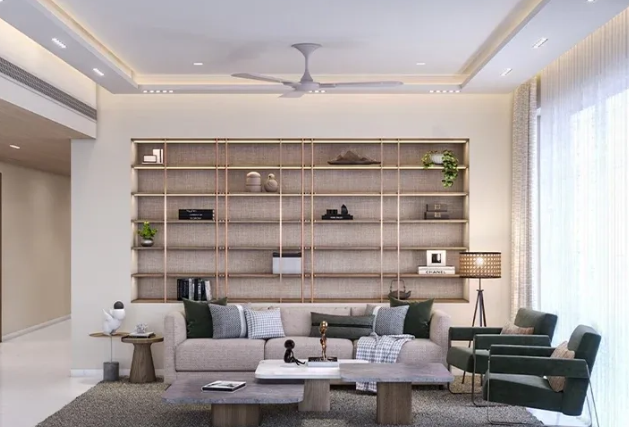
A floating media console mounted at the correct viewing height frees up floor space and eliminates the need for a bulky TV stand. Built-in shelving around a fireplace or along one wall maximizes vertical storage without encroaching on the living area.
Color Palettes for Modern Small Living Rooms
Color is one of the most powerful and cost-effective tools in small room design. The right palette can add the visual equivalent of several square feet.
Light and Neutral Tones
Off-white, warm gray, greige, and pale taupe reflect natural light and keep walls from visually closing in. A monochromatic approach, where walls, trim, and large furniture share a similar tonal family, removes visual breaks and allows the eye to travel the full length of the room uninterrupted.
Accent Color Strategies
Introduce one accent color through pillows, artwork, or a single accent chair. Keeping the accent color contained prevents the visual fragmentation that makes small rooms feel busy.
Dark accent walls — a deep navy, forest green, or charcoal — can work in small living rooms when used on a single wall opposite natural light. This creates depth without the claustrophobic effect of four dark walls.
Lighting Tips That Make Small Living Rooms Look Bigger
Layered lighting eliminates the shadows that make corners feel tight. A combination of ambient (overhead), task (reading), and accent (decorative) lighting gives the room depth and flexibility.
- Use wall sconces instead of floor lamps to save floor space
- Place mirrors opposite windows to double natural light
- Choose fixtures that draw the eye upward, like a pendant light or a tall arc floor lamp
- Dimmer switches let you shift the mood without adding fixtures
Storage Solutions for Clutter-Free Modern Small Living Rooms
Clutter is the fastest way to make a small room feel smaller. Modern small living rooms rely on integrated storage to keep surfaces clear and the design cohesive.
- Built-in shelving around the TV or fireplace maximizes dead wall space
- Storage ottomans and coffee tables with drawers hide remote controls, blankets, and electronics
- Vertical shelving units that reach the ceiling use the full height of the room
- Floating wall shelves at multiple heights create display and storage without floor footprint
Modern Small Living Room: Strategy Comparison
| Design Strategy | Estimated Cost | Space Impact |
| Floating furniture layout | $0 (no purchase needed) | High — creates depth and flow |
| Light/neutral color repaint | $100–$400 (DIY) | High — visually expands walls |
| Storage ottoman | $80–$400 | Medium — dual function |
| Wall-mounted media console | $150–$600 | Medium — clears floor space |
| Large mirror placement | $50–$300 | High — doubles light and space |
| Built-in shelving | $500–$3,000+ | Very high — permanent storage |
| Modular sofa | $800–$2,500 | High — adaptable to room shape |
Frequently Asked Questions
What furniture works best in a small modern living room?
Low-profile sofas between 72 and 84 inches, storage ottomans, nesting tables, and wall-mounted media consoles work best. Choose pieces with exposed legs and avoid overstuffed or bulky upholstery. Scale-appropriate furniture prevents any single piece from dominating the room.
What colors make a small living room look bigger?
Off-white, warm gray, greige, and pale taupe are the most effective colors for visually expanding a small living room. A monochromatic palette removes visual breaks and lets the eye travel the full length of the room without interruption. Avoid multiple competing colors on walls, trim, and large furniture.
How do you arrange furniture in a small living room?
Float the sofa 6 to 12 inches from the wall, anchor the arrangement with an area rug, and maintain at least 30 to 36 inches of walking clearance between pieces. Avoid pushing all furniture against walls, as this creates a perimeter arrangement that feels cramped rather than spacious.
Can a small living room have a sectional sofa?
Yes, but only a small-scale or modular sectional sized for the specific room. Look for sectionals under 100 inches total length with apartment-depth cushions (32 to 34 inches). A two-piece modular sectional works better than a fixed L-shape because it adapts to layout changes.
How do mirrors help a small living room?
Mirrors reflect both natural and artificial light, making a room feel brighter and larger. A large mirror placed opposite a window doubles the perceived depth of the room. Even a collection of smaller mirrors on one wall creates a similar effect while adding a decorative element.
What are the best storage ideas for a small living room?
Built-in shelving, storage ottomans, floating wall shelves, and media consoles with drawers are the most effective storage options. Vertical storage that reaches the ceiling maximizes unused height. Keep surfaces clear and use baskets or boxes on shelves to conceal small items.
How do I make a small living room feel cozy and modern at the same time?
Layer textures through pillows, throws, and area rugs in a cohesive color palette. Use warm-toned lighting at multiple levels. Add one or two plants for life and color. Keep the design intentional and clutter-free. Cozy and modern are not opposites; both rely on purposeful, edited choices.
See also: Grow Your Roofing Business with Effective Online Marketing
Conclusion
Modern small living room ideas work best when every choice is intentional. The most effective strategies — floating furniture, neutral color palettes, multi-functional pieces, and integrated storage — are also the most accessible. None require a complete renovation or a large budget.
Start with layout. Rearranging furniture costs nothing and often produces the most immediate improvement. Add a large mirror, repaint in a light neutral, and invest in one piece of multi-functional furniture. These three steps alone transform most small living rooms from cramped to cohesive.
Design is about editing as much as adding. In a small living room, removing one unnecessary piece of furniture or clearing one surface does as much for the space as any new purchase.
Internal Linking Opportunities
- Small living room furniture ideas — link from furniture section to a dedicated furniture guide
- Living room color ideas — link from color palette section to a paint color roundup
- Apartment living room ideas — link from introduction to an apartment-specific guide
- Small living room with TV ideas — link from wall-mounted media console section
- Cozy living room decor — link from conclusion to a cozy decor roundup
- Storage ideas for small spaces — link from storage solutions section
Schema Markup Recommendations
1. Article Schema
{ “@context”: “https://schema.org”, “@type”: “Article”, “headline”: “Modern Small Living Room Ideas: Design Tips That Work”, “description”: “Expert tips on maximizing style and function in modern small living rooms.”, “author”: { “@type”: “Person”, “name”: “Interior Design Style Quiz Team” }, “publisher”: { “@type”: “Organization”, “name”: “interiordesignstylequiz.com” } }
2. FAQPage Schema
{ “@context”: “https://schema.org”, “@type”: “FAQPage”, “mainEntity”: [ { “@type”: “Question”, “name”: “What furniture works best in a small modern living room?”, “acceptedAnswer”: { “@type”: “Answer”, “text”: “Low-profile sofas between 72 and 84 inches, storage ottomans, nesting tables, and wall-mounted media consoles work best.” } } ] }
3. BreadcrumbList Schema
{ “@context”: “https://schema.org”, “@type”: “BreadcrumbList”, “itemListElement”: [ { “@type”: “ListItem”, “position”: 1, “name”: “Home”, “item”: “https://interiordesignstylequiz.com” }, { “@type”: “ListItem”, “position”: 2, “name”: “Living Room Ideas”, “item”: “https://interiordesignstylequiz.com/living-room-ideas” }, { “@type”: “ListItem”, “position”: 3, “name”: “Modern Small Living Room Ideas” } ] }