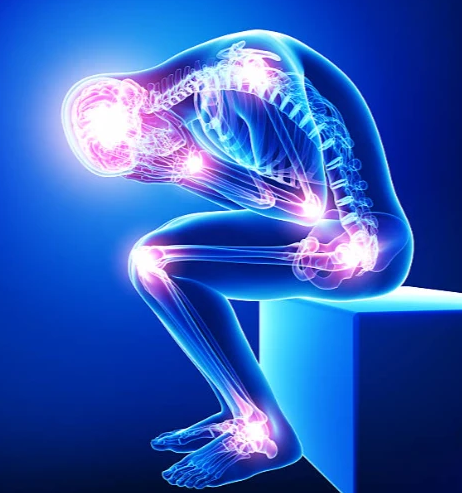
Understanding Inflammation and Its Impact on Health
Inflammation is the body’s natural defense mechanism against injury, infection, and harmful substances. It plays a vital role in healing and protecting the body. However, when inflammation becomes chronic, it can contribute to a wide range of health problems, including heart disease, diabetes, arthritis, and persistent muscle and joint discomfort. Understanding how inflammation works and adopting healthy lifestyle habits can help reduce its long-term effects and improve overall well-being.
For people experiencing ongoing discomfort, inflammation may also contribute to muscle stiffness and joint pain. In some cases, healthcare professionals may recommend supportive treatments such as a lower back pain gel or prescribe medicine for lower back pain alongside lifestyle modifications, depending on the underlying cause.
What Is Inflammation?
Inflammation is the immune system’s response to injury, infection, or toxins. When your body detects damage, it releases immune cells and chemicals to protect the affected area and begin the healing process.
There are two primary types of inflammation:
See also: How to Choose the Right Life Partner: 7 Things That Actually Matter for a Lasting Marriage
Acute Inflammation
Acute inflammation is short-term and beneficial. It usually occurs after a cut, sprain, infection, or injury. Common signs include:
- Redness
- Swelling
- Heat
- Pain
- Temporary loss of function
Once healing is complete, acute inflammation naturally subsides.
Chronic Inflammation
Chronic inflammation lasts for months or even years. Instead of protecting the body, it continuously activates the immune system, which may gradually damage healthy tissues.
Chronic inflammation has been linked to conditions such as:
- Arthritis
- Cardiovascular disease
- Type 2 diabetes
- Obesity
- Asthma
- Autoimmune disorders
- Certain digestive diseases
Common Causes of Chronic Inflammation
Several lifestyle and environmental factors can trigger long-term inflammation.
Poor Diet
Highly processed foods, sugary beverages, excessive refined carbohydrates, and trans fats may increase inflammatory responses in the body. On the other hand, fruits, vegetables, whole grains, healthy fats, and lean proteins can help support a balanced immune response.
Physical Inactivity
A sedentary lifestyle may contribute to increased inflammation. Regular physical activity supports circulation, metabolism, and immune function while helping reduce inflammatory markers.
Chronic Stress
Long-term psychological stress can affect hormone balance and immune function, leading to persistent low-grade inflammation.
Poor Sleep
Sleep plays an essential role in tissue repair and immune regulation. Consistently getting insufficient sleep may increase inflammatory activity throughout the body.
Smoking and Excessive Alcohol
Both smoking and excessive alcohol consumption can promote chronic inflammation and increase the risk of multiple chronic diseases.
Symptoms of Chronic Inflammation
Unlike acute inflammation, chronic inflammation often develops gradually and may not produce obvious symptoms initially.
Some common signs include:
- Persistent fatigue
- Joint pain and stiffness
- Muscle aches
- Frequent infections
- Digestive discomfort
- Brain fog
- Skin irritation
- Unexplained body pain
Because these symptoms overlap with many health conditions, proper medical evaluation is important for identifying the underlying cause.
Inflammation and Lower Back Pain
Inflammation often plays a significant role in musculoskeletal discomfort, especially lower back pain. Conditions such as muscle strain, ligament injury, arthritis, or degenerative spine disorders may involve inflammatory processes that contribute to pain and stiffness.
Healthcare professionals may recommend a combination of rest, physiotherapy, stretching exercises, and topical treatments. In some situations, a lower back pain gel may provide temporary relief by targeting localized discomfort. Depending on the diagnosis and severity, a doctor may also prescribe medicine for lower back pain as part of a comprehensive treatment plan.
It is important to remember that persistent or severe back pain should always be evaluated by a qualified healthcare provider rather than relying solely on self-medication.
Foods That Help Reduce Inflammation
Nutrition plays a major role in supporting the body’s natural healing processes.
Fruits and Vegetables
Colorful fruits and vegetables provide antioxidants, vitamins, and phytonutrients that help combat oxidative stress associated with chronic inflammation.
Examples include:
- Berries
- Oranges
- Spinach
- Kale
- Broccoli
- Tomatoes
Healthy Fats
Omega-3 fatty acids are well known for their anti-inflammatory properties.
Good sources include:
- Salmon
- Sardines
- Walnuts
- Flaxseeds
- Chia seeds
Whole Grains
Whole grains such as oats, brown rice, and quinoa contain fiber that supports gut health, which may influence inflammation.
Nuts and Seeds
Almonds, walnuts, sunflower seeds, and pumpkin seeds provide healthy fats, fiber, and antioxidants.
Herbs and Spices
Natural ingredients like turmeric, ginger, garlic, and cinnamon contain plant compounds that may support a healthy inflammatory response when included as part of a balanced diet.
Lifestyle Habits That May Help Manage Inflammation
Exercise Regularly
Aim for at least 150 minutes of moderate physical activity each week. Walking, cycling, swimming, yoga, and strength training all contribute to better overall health.
Maintain a Healthy Weight
Excess body fat, especially around the abdomen, is associated with increased production of inflammatory chemicals.
Prioritize Sleep
Adults should generally aim for 7–9 hours of quality sleep each night to support recovery and immune function.
Manage Stress
Relaxation techniques such as meditation, breathing exercises, mindfulness, and spending time outdoors may help reduce stress-related inflammation.
Stay Hydrated
Adequate hydration supports circulation, metabolism, and normal body functions, all of which contribute to overall health.
When Should You See a Doctor?
Seek medical advice if you experience:
- Persistent pain lasting several weeks
- Severe swelling
- Difficulty moving joints
- Fever with pain
- Sudden unexplained weight loss
- Numbness or weakness
- Ongoing lower back pain that interferes with daily activities
For individuals experiencing recurring back discomfort, a healthcare professional can determine whether physical therapy, a lower back pain gel, lifestyle changes, or medicine for lower back pain is appropriate based on the underlying condition.
Can Inflammation Be Prevented?
Although not all causes of inflammation can be prevented, healthy lifestyle choices significantly reduce the risk of chronic inflammatory diseases.
Simple daily habits include:
- Eating a nutrient-rich diet
- Exercising consistently
- Managing stress effectively
- Sleeping adequately
- Avoiding smoking
- Limiting alcohol intake
- Staying physically active throughout the day
These habits not only help reduce inflammation but also improve heart health, metabolic function, and overall quality of life.
Conclusion
Inflammation is an essential part of the body’s natural healing process, but when it becomes chronic, it can contribute to numerous health concerns, including joint discomfort, cardiovascular disease, diabetes, and persistent musculoskeletal pain. Understanding the causes and adopting healthier habits can go a long way in supporting long-term wellness.
For individuals dealing with inflammatory back pain, medical guidance is important. Depending on the diagnosis, healthcare providers may recommend approaches that include exercise, physiotherapy, a lower back pain gel, or medicine for lower back pain as part of a personalized treatment plan.
At Reset.in, we believe that informed health decisions begin with trusted, science-backed information. Explore our educational resources to learn more about inflammation, pain management, and everyday wellness strategies that support a healthier lifestyle.
FAQs
1. What causes inflammation in the body?
Inflammation may result from infections, injuries, autoimmune conditions, poor diet, chronic stress, obesity, smoking, or long-term health conditions.
2. Can inflammation cause lower back pain?
Yes. Inflammation affecting muscles, ligaments, joints, or spinal structures can contribute to lower back pain and stiffness.
3. Is a lower back pain gel effective?
A lower back pain gel may provide temporary relief for mild to moderate muscle or joint discomfort when used as directed. It should complement, not replace, medical evaluation when pain persists.
4. When is medicine for lower back pain recommended?
A healthcare professional may recommend medicine for lower back pain depending on the underlying cause, severity of symptoms, and individual medical history.
5. Can lifestyle changes reduce chronic inflammation?
Yes. A balanced diet, regular exercise, quality sleep, stress management, and maintaining a healthy weight can help support a healthy inflammatory response.