The Hidden Infrastructure Behind Smart Cities: Why Every FTTH Company Matters
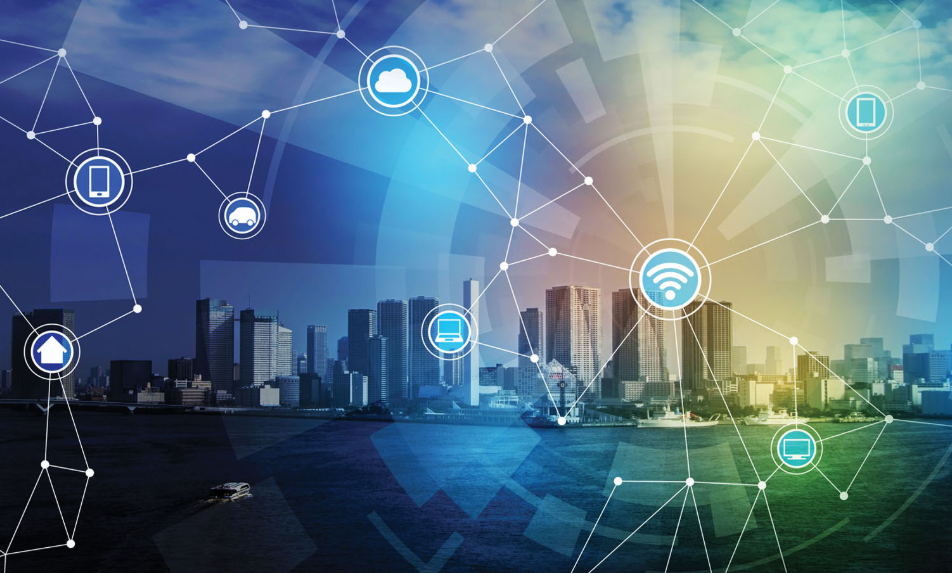
Modern cities are becoming smarter, faster, and more connected than ever before. From intelligent traffic management systems and remote healthcare services to cloud-powered businesses and smart homes, nearly every aspect of urban life now depends on high-speed internet connectivity. While most people focus on the digital services they use every day, few recognize the critical infrastructure that makes these innovations possible. Behind this transformation, every FTTH company plays an essential role in building the networks that support the modern digital ecosystem.
The rapid growth of connected devices has fundamentally changed how communities operate. Homes now contain dozens of internet-enabled products, businesses rely on cloud applications for daily operations, and governments increasingly provide services through digital platforms. As these demands continue to grow, traditional broadband technologies often struggle to keep pace. Fiber-to-the-Home technology has emerged as one of the most effective solutions for delivering the speed, reliability, and scalability required for the future.
Rather than serving as a simple internet upgrade, FTTH infrastructure represents a long-term investment in economic growth, innovation, and digital accessibility. It forms the foundation upon which future technologies will be built, helping communities remain competitive in an increasingly connected world.
The Evolution of Internet Infrastructure
The history of internet connectivity reflects a constant pursuit of greater speed and reliability. Early internet connections relied on dial-up technology, which offered limited bandwidth and slow performance. As digital demands increased, cable and DSL services became more common, providing faster access for homes and businesses.
However, modern internet usage is vastly different from what these technologies were originally designed to support. Video streaming, cloud computing, remote collaboration, online gaming, artificial intelligence applications, and smart home systems require significantly more bandwidth than traditional services can consistently deliver.
Fiber optic technology addresses these challenges by using light signals instead of electrical currents to transmit data. This allows information to travel over long distances with minimal loss, supporting substantially higher speeds and greater network capacity.
See also: Understanding the Pace of Technological Advancement
Why Smart Cities Depend on Fiber Networks
The concept of smart cities extends far beyond faster internet connections. Smart city initiatives rely on interconnected technologies that continuously collect, process, and exchange data. Traffic sensors monitor road conditions, public transportation systems optimize routes, utility networks improve energy efficiency, and emergency services coordinate responses using real-time information.
These systems generate enormous amounts of data that must be transmitted quickly and reliably. Fiber infrastructure provides the bandwidth necessary to support these complex operations.
Without robust fiber networks, many smart city technologies would struggle to function effectively. Delays in data transmission can impact everything from transportation efficiency to public safety. This makes FTTH deployment a strategic priority for communities seeking to embrace digital transformation.
The Consumer Benefits of FTTH Expansion
For consumers, the benefits of FTTH technology extend far beyond faster download speeds. Modern households increasingly depend on internet connectivity for entertainment, education, communication, and work-related activities.
Remote workers require stable video conferencing and cloud access. Students depend on online learning platforms and digital resources. Families stream high-definition content across multiple devices simultaneously. Smart home systems continuously exchange information through connected networks.
Fiber connections help support these activities without the performance issues commonly associated with network congestion. As household bandwidth demands continue growing, fiber infrastructure provides the flexibility needed to accommodate future requirements.
How FTTH Companies Support Economic Development
Reliable broadband access has become a major factor in economic competitiveness. Businesses evaluating new locations often consider internet infrastructure as a critical component of operational success.
Companies increasingly depend on cloud services, remote collaboration tools, digital marketing platforms, and data-intensive applications. Communities with advanced fiber networks can attract investment, support entrepreneurship, and create new employment opportunities.
Small businesses particularly benefit from improved connectivity. Access to high-speed internet allows organizations to compete in national and global markets while operating from virtually any location.
By expanding fiber infrastructure, FTTH providers contribute directly to local economic growth and long-term business development.
Fiber and the Future of Remote Work
Remote work has transformed from a temporary trend into a permanent feature of many industries. Employees now participate in virtual meetings, collaborate through cloud-based platforms, and access company resources from home offices.
These activities require reliable internet performance, especially when multiple household members are connected simultaneously. Fiber networks provide the speed and consistency necessary to support productive remote work environments.
As organizations continue adopting flexible work arrangements, demand for high-quality residential broadband services is expected to increase. This trend further highlights the importance of ongoing FTTH expansion.
The Environmental Advantages of Fiber Networks
Sustainability has become a major consideration in infrastructure planning. Compared to some traditional network technologies, fiber systems can offer greater energy efficiency while supporting larger amounts of data transmission.
Fiber networks often require less power to transmit information across long distances. Additionally, their long operational lifespan reduces the frequency of major infrastructure replacements.
As governments and organizations pursue environmental goals, fiber deployment aligns with broader efforts to create more sustainable digital infrastructure.
Preparing for Emerging Technologies
The next generation of digital innovation will place even greater demands on communication networks. Technologies such as artificial intelligence, augmented reality, virtual reality, autonomous systems, and advanced cloud computing require substantial bandwidth and low latency.
Many of these applications are still in their early stages of adoption. However, their future growth will depend heavily on the availability of high-performance network infrastructure.
Fiber networks provide the foundation necessary to support these emerging technologies without requiring constant upgrades or replacements.
Why Long-Term Scalability Matters
One of the greatest strengths of FTTH technology is its scalability. Unlike many legacy systems, fiber infrastructure can continue supporting increasing bandwidth requirements through equipment upgrades rather than complete network reconstruction.
This flexibility makes fiber a future-ready investment. Communities that deploy FTTH today are better positioned to adapt to technological advancements over the coming decades.
As digital services evolve, scalable infrastructure becomes increasingly valuable. Fiber networks offer a practical solution for meeting future connectivity needs while maximizing long-term return on investment.
Final Thoughts
The digital transformation of modern society depends on far more than software applications and connected devices. Behind every online service, cloud platform, and smart technology lies the physical infrastructure responsible for moving data efficiently and reliably. Fiber networks have emerged as the backbone of this digital ecosystem, supporting everything from remote work and online education to smart city development and advanced business operations.
The importance of a reliable FTTH company extends well beyond internet installation. These organizations help create the connectivity framework that drives innovation, economic growth, and digital inclusion. By expanding fiber access, they enable communities to participate fully in the opportunities of the digital age.
As technology continues advancing, demand for high-performance broadband infrastructure will only increase. Communities that invest in fiber today are preparing themselves for a future defined by connectivity, innovation, and continuous digital evolution. The role of FTTH providers will remain central to that journey, helping build the networks that power tomorrow’s connected world.