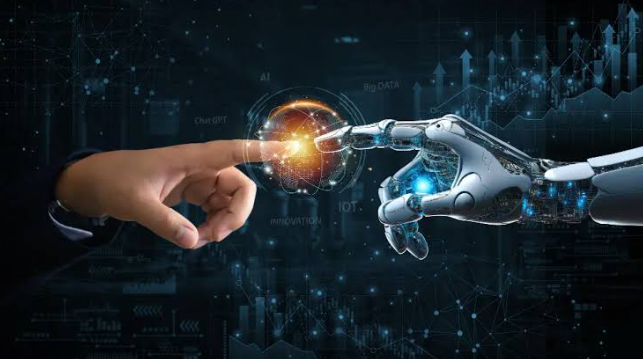
Emerging Technology Trends That Are Shaping Everyday Life
Technology no longer sits in the background of our lives — it has become the framework around which daily routines, work habits, and even relationships are built. From the moment we check our phones in the morning to the smart devices that quietly manage our homes, innovation is reshaping how people live, work, and connect. Understanding these shifts is not just useful for tech enthusiasts; it matters for anyone who wants to stay relevant in a fast-changing world.
Artificial Intelligence Is Becoming Personal
Artificial intelligence has moved far beyond research labs and into everyday tools. Voice assistants schedule appointments, recommendation engines shape what we watch and buy, and AI-powered writing tools help students and professionals draft emails, reports, and creative content in seconds. What makes this shift significant is not just the technology itself but how invisible it has become. Most people interact with AI dozens of times a day without realizing it, whether through spam filters, navigation apps, or personalized playlists.
Businesses are also using AI to automate repetitive tasks, freeing employees to focus on higher-value work. Customer service chatbots, predictive maintenance systems, and AI-driven analytics are now standard tools rather than futuristic experiments. As these systems become more accurate and context-aware, the line between human and machine-assisted decision-making continues to blur.
See also: How to Choose the Right Life Partner: 7 Things That Actually Matter for a Lasting Marriage
Smart Homes and the Rise of Connected Living
The smart home market has matured from novelty gadgets into practical, everyday infrastructure. Thermostats that learn household routines, security cameras that send real-time alerts, and voice-controlled lighting systems are now common in homes of all sizes. The appeal is simple: convenience, energy savings, and peace of mind.
What is changing now is interoperability. Earlier smart home devices often worked in isolated ecosystems, forcing users to juggle multiple apps. Newer standards are pushing manufacturers toward compatibility, allowing a single hub to control lighting, climate, security, and entertainment systems together. This shift is making smart homes less about individual gadgets and more about a connected, coordinated living experience.
5G and the Expansion of Connectivity
Faster networks are quietly powering many of the trends already mentioned. 5G connectivity enables real-time data processing for smart devices, supports high-definition streaming without lag, and makes remote collaboration smoother than ever. Beyond convenience, this expanded bandwidth is critical for emerging fields like telemedicine, autonomous vehicles, and industrial automation, where delays of even a few milliseconds can matter.
As 5G coverage widens, especially in urban and semi-urban areas, more devices are expected to rely on constant connectivity rather than occasional syncing. This shift is laying the groundwork for the next generation of connected products, from wearables to smart infrastructure.
Wearable Technology and Personal Health
Wearable devices have evolved from step counters into comprehensive health monitors. Smartwatches now track heart rate variability, sleep quality, blood oxygen levels, and stress indicators, giving users insights that once required a clinical visit. This data is empowering people to take a more proactive approach to their health, catching irregularities early and adjusting habits accordingly.
Healthcare providers are also beginning to integrate wearable data into patient care, using continuous monitoring to support chronic disease management and post-surgical recovery. As sensors become more accurate and battery life improves, wearables are likely to play an even larger role in preventive healthcare over the next few years.
Automation and the Changing Nature of Work
Remote and hybrid work have accelerated the adoption of automation tools across industries. Project management platforms, automated scheduling systems, and cloud-based collaboration software have become essential rather than optional. This shift has also pushed companies to rethink how they measure productivity, moving away from hours logged and toward outcomes delivered.
At the same time, automation is changing the skill sets employers value. Technical literacy, adaptability, and comfort with digital tools are now baseline expectations across many roles, not just in tech-focused industries. For readers who want to stay informed on how these shifts continue to unfold, keeping up with reliable technology news is one of the simplest ways to track which tools and platforms are gaining traction.
Cybersecurity Awareness Becomes Everyone’s Responsibility
As more of daily life moves online, cybersecurity has shifted from an IT department concern to a personal responsibility. Phishing attempts have grown more sophisticated, often mimicking legitimate businesses or even colleagues, making basic awareness essential for anyone using email, banking apps, or social media.
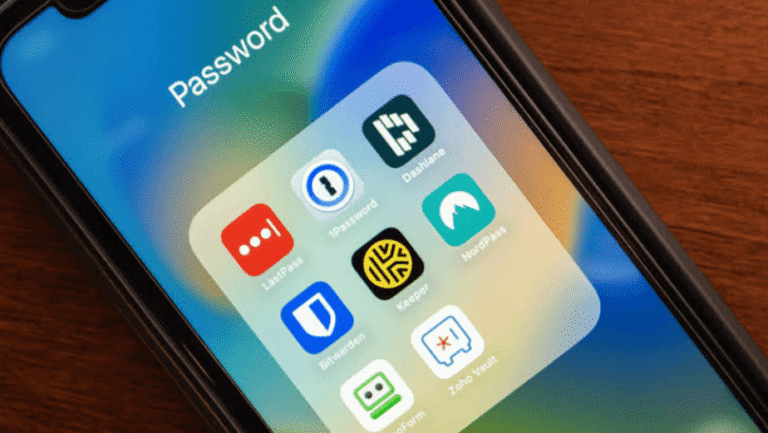
Multi-factor authentication, password managers, and regular software updates are no longer optional best practices — they are baseline requirements for protecting personal and financial information. As smart homes and wearables collect more personal data, the importance of securing these devices is growing alongside their popularity.
Sustainable Technology Gains Momentum
Environmental concerns are pushing innovation in a new direction. Energy-efficient appliances, solar-powered chargers, and software designed to reduce data center energy consumption are becoming selling points rather than afterthoughts. Consumers are increasingly factoring sustainability into purchasing decisions, and manufacturers are responding by designing products with longer lifespans and recyclable components.
This trend extends to transportation as well, where electric vehicles and smart traffic systems aim to reduce congestion and emissions in urban areas. As climate concerns continue to influence policy and consumer behavior, sustainable design is likely to become a standard expectation rather than a competitive advantage.
Looking Ahead
The common thread across these trends is integration. Technology is no longer a separate category of life; it is woven into how people manage their health, homes, work, and even environmental impact. Staying informed about these shifts helps individuals and businesses make better decisions, whether that means choosing the right smart home ecosystem, adopting new productivity tools, or simply understanding how to protect personal data online.
As these innovations continue to mature, the pace of change is unlikely to slow down. What matters most is not keeping up with every new gadget, but understanding the broader direction technology is heading — one where convenience, connectivity, and responsibility increasingly go hand in hand.