Beyond the Basics: What Custom Blister Card Packaging Equipment Can Actually Include
Standard blister card packaging equipment handles the core job well, forming, filling, and sealing products into a protective blister mounted on a card. But manufacturers with more specific production requirements often need something beyond a basic standard configuration, and understanding what optional features and customization options actually exist helps clarify what is realistically achievable when specifying equipment for a particular product line.
The Technical Components Driving Consistent Performance
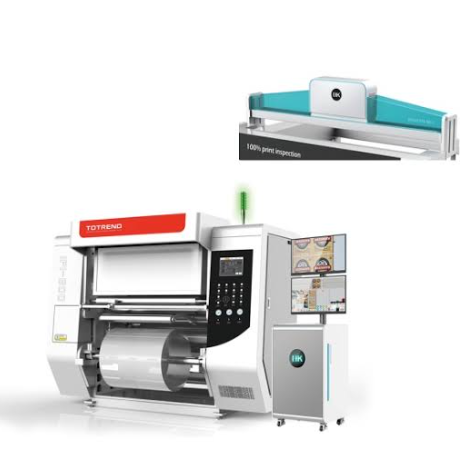
Underneath the visible forming and sealing process, a well built blister card sealing machine relies on a specific combination of control components to maintain accuracy and consistency. A programmable logic controller paired with touch screen control gives operators precise command over the sealing process, while a stepless frequency converter allows fine adjustment of production speed to match different product requirements. Servo motors handling key movement functions contribute to the kind of precise, repeatable motion that consistent sealing quality actually depends on.
A rotary circulation sealing structure supports continuous operation, while an automatic stop and alarm system that activates when no card is detected in position helps prevent wasted material and catches feeding problems before they compound into a larger production issue. Stainless steel 304 construction on surfaces that contact the product or packaging supports both durability and the cleanliness standards that food and pharmaceutical applications in particular tend to require.
Optional Features That Extend the Machine’s Capability
A blister card packaging machine can often be configured with additional optional features depending on what a specific product actually needs. A dispensing mechanism for tablets and capsules extends the machine’s usefulness into pharmaceutical packaging applications, automatically placing the correct product count into each blister cavity. A liquid filling capability opens up applications for products that are not solid items at all, expanding what the base machine platform can actually handle.
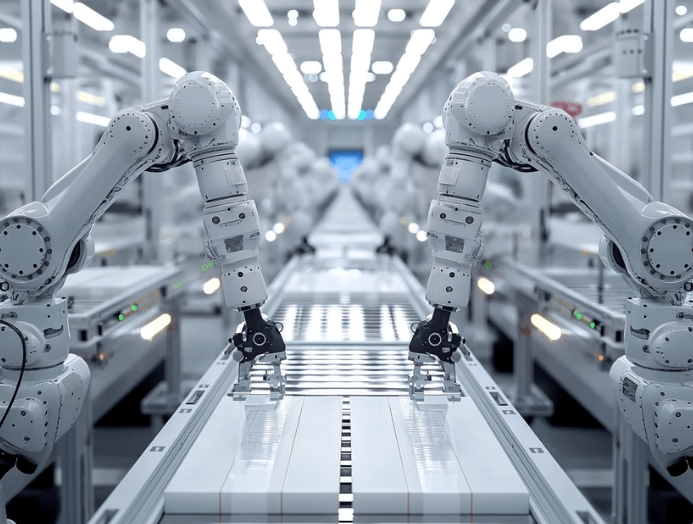
A robotic automatic feeder can further reduce manual handling requirements, particularly useful for high volume production where manual product placement would become a genuine bottleneck. Nitrogen flush capability matters for products sensitive to oxidation, displacing oxygen within the sealed blister to help extend shelf life for certain product categories. Additional options like specific sealing textures, punching mechanisms, and date printing capability round out the customization possibilities, allowing a single base machine platform to be adapted fairly extensively for a specific product’s particular requirements.
Specifying the Actual Technical Parameters
Beyond optional features, custom blister card equipment involves specifying a range of concrete technical parameters matched to a specific product and packaging design. This typically includes card size, forming area, forming depth, packing capacity, air pressure and consumption requirements, the specific forming material being used, machine shell material, and power voltage and consumption figures. Getting these parameters right at the specification stage matters considerably, since a mismatch between the equipment’s actual capability and a product’s real requirements can create ongoing production headaches that are far more costly to fix after the equipment is already installed and running.
A Structured Path From Consultation to Delivery
Reaching a properly configured custom machine generally follows a fairly structured sequence, starting with a requirement analysis covering product details and packaging format, moving through solution design and technical confirmation of the specific parameters mentioned above, then into manufacturing under controlled quality conditions, followed by testing and debugging before final delivery and installation support.
See also: How a Business Attorney Greenville SC Can Help Your Business
Why Understanding These Options Matters
For a manufacturer with a product that does not fit neatly into a standard blister card configuration, whether that involves pharmaceutical dosing, liquid products, or specific shelf life requirements that call for nitrogen flushing, knowing that these kinds of customizations genuinely exist changes the conversation with a potential supplier considerably. Rather than assuming a standard machine is the only option, or assuming a fully custom solution is prohibitively complicated, understanding the actual range of available features makes it much easier to specify equipment that genuinely fits a specific production requirement from the outset.