A Complete Guide to Understanding Photography and Modern Camera Technology
Introduction
A camera is an essential device for capturing images, recording videos, and preserving important moments. From family gatherings and travel adventures to professional photography and business projects, cameras play a significant role in modern life. As technology continues to advance, Camera have become more accessible, powerful, and versatile. Today, people can choose from a wide range of devices, including smartphone cameras, digital cameras, mirrorless cameras, and professional DSLR models.
Understanding how a camera works and what features matter most can help users make informed decisions. Whether someone is interested in photography as a hobby or wants to create professional-quality content, learning about camera technology provides a useful foundation.
What Is a Camera?
A camera is an optical device designed to capture light and convert it into a photograph or video. Traditional cameras used photographic film, while most modern devices rely on digital sensors to record visual information. The resulting image can be stored electronically, edited with software, and shared through websites, social media platforms, or other digital channels.
Cameras are used across many industries. Photographers rely on them for portraits, weddings, landscapes, and commercial projects. Journalists use cameras to document events, while businesses employ them to create product images and promotional videos. Cameras are also important in scientific research, healthcare, education, security, and entertainment.
The wide variety of available models means that users can select a camera according to their interests, experience, and budget.
Different Types of Cameras
Choosing the right camera begins with understanding the main categories available on the market.
Digital Cameras
Digital cameras capture photographs electronically rather than using film. They allow users to review images immediately, delete unwanted shots, and transfer files to computers or mobile devices. Many models offer automatic settings, making them suitable for beginners.
Compact digital cameras are particularly useful for people who want a dedicated photography device without carrying bulky equipment.
DSLR Cameras
Digital single-lens reflex cameras, commonly known as DSLR cameras, use a mirror mechanism to direct light through an optical viewfinder. Many models support interchangeable lenses, giving photographers greater flexibility.
DSLR cameras are popular for portrait photography, sports, wildlife, and other situations requiring control over focus and exposure. Although mirrorless models have gained popularity, DSLRs remain useful for photographers who value their handling, lens options, and optical viewfinders.
Mirrorless Cameras
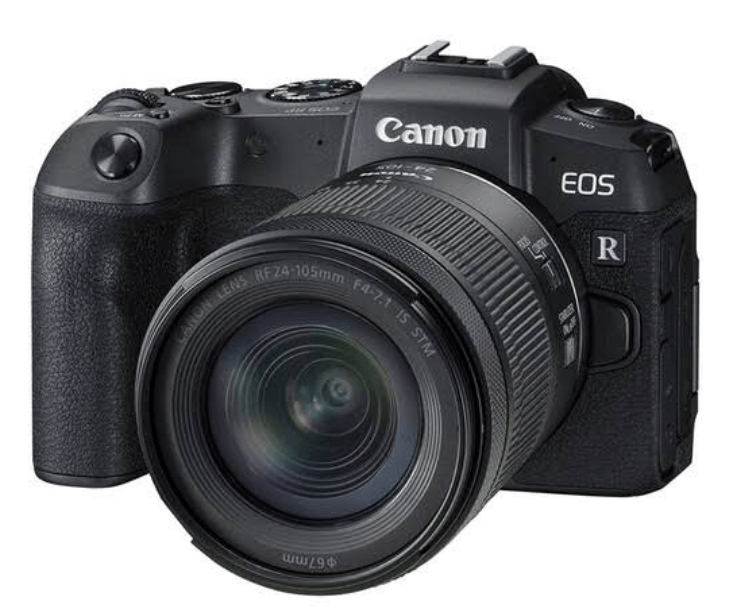
Mirrorless cameras do not use the traditional mirror system found in DSLRs. Light reaches the digital sensor directly, allowing manufacturers to design many models with smaller and lighter bodies.
These cameras often provide advanced autofocus, high-resolution video recording, and electronic viewfinders. They are widely used by enthusiasts, professional photographers, and content creators who need versatile equipment.
Smartphone Cameras
Smartphone cameras have transformed everyday photography. They allow users to capture pictures, record videos, edit content, and publish images using a single device.
Modern smartphones often include multiple lenses, portrait effects, night photography features, and computational image processing. Although they may not provide the same flexibility as every dedicated camera system, they are convenient for daily use and casual content creation.
Important Camera Features to Consider
Understanding key camera specifications can make the buying process easier.
Resolution and Megapixels
Resolution describes the amount of detail an image contains, while megapixels indicate the approximate number of pixels captured by a sensor. Higher megapixel counts can be useful for large prints and cropping, but they do not automatically guarantee better photographs.
Image quality also depends on sensor size, lens performance, lighting, and image processing.
Lens Quality
The lens influences sharpness, perspective, depth of field, and the amount of light reaching the sensor. Wide-angle lenses are useful for landscapes and architecture, while telephoto lenses help photograph distant subjects.
Some cameras have fixed lenses, whereas interchangeable-lens systems allow users to select equipment for different photographic situations.
Autofocus Performance
Autofocus helps a camera keep subjects sharp without requiring constant manual adjustments. Modern systems may recognize faces, eyes, animals, vehicles, or other subjects.
Reliable autofocus is especially useful when photographing children, sporting events, wildlife, or moving subjects.
Video Recording
Video capabilities are important for vloggers, educators, filmmakers, and social media creators. Buyers should consider resolution, frame rates, image stabilization, microphone connections, and recording limitations.
A camera that produces attractive still photographs may not necessarily offer every feature required for professional video production.
Low-Light Performance
Photographing indoors or at night can be challenging because less light reaches the camera sensor. Larger sensors, suitable lenses, effective image processing, and appropriate exposure settings can help produce clearer results.
Image stabilization can reduce blur caused by camera movement, although it cannot completely eliminate motion blur from a moving subject.
See also: Understanding the Internet of Things Technology
How Does a Camera Work?
The basic process of photography involves controlling light. When a photograph is taken, light passes through the lens and reaches the image sensor. The camera records this light information and processes it into a digital image.
Three important settings influence exposure: aperture, shutter speed, and ISO.
Aperture controls how much light passes through the lens and affects background blur. Shutter speed determines how long the sensor receives light, influencing the appearance of motion. ISO controls the sensor’s amplification or sensitivity setting, depending on the camera system, and can affect visible image noise.
These settings work together to determine the brightness and appearance of a photograph. Many cameras provide automatic modes that select suitable settings, while manual controls allow experienced users to make more creative decisions.
Learning these fundamentals can help photographers improve their results in different lighting conditions.
Tips for Taking Better Photographs
Owning an advanced camera is only one part of photography. Good technique and thoughtful composition are equally important.
First, pay attention to lighting. Natural light can create attractive results, especially during the early morning or late afternoon. Indoors, placing a subject near a window may provide soft and balanced illumination.
Second, keep the subject in focus. Use the appropriate autofocus mode and check the image when possible. For stationary subjects, a single-focus setting may be sufficient, while continuous autofocus can help track movement.
Third, experiment with composition. The rule of thirds is a useful starting point: imagine dividing the frame into a three-by-three grid and positioning important elements along its lines or intersections.
Fourth, keep the lens clean. Dust, fingerprints, and smudges can reduce image clarity. Use suitable lens-cleaning materials rather than rough fabrics that may damage the surface.
Finally, practice regularly. Trying different angles, lighting conditions, and camera settings helps develop a better understanding of photography.
Choosing the Right Camera for Your Needs
The best camera depends on how it will be used. Beginners may prefer a simple digital camera or a smartphone with dependable photographic features. Travelers often value lightweight equipment, long battery life, and convenient connectivity.
Professional photographers may need interchangeable lenses, advanced autofocus, reliable performance, and high-quality image files. Content creators might prioritize video resolution, microphone support, image stabilization, and a screen that makes framing easier.
For security purposes, homeowners and business owners should consider different factors, including camera resolution, night vision, recording capacity, motion detection, and remote access. Visiting a reputable CCTV Camera Shop can help buyers compare available surveillance equipment and identify products that suit their security requirements.
Budget is another important consideration. Buyers should account for accessories such as memory cards, spare batteries, camera bags, tripods, and additional lenses. For CCTV systems, additional expenses may include storage devices, cables, installation, and monitoring equipment.
Before purchasing, compare specifications, read independent reviews, and consider handling the device in person if possible.
Camera Maintenance and Care
Proper maintenance helps a camera remain dependable over time. Store equipment in a clean, dry place and protect it from excessive heat, moisture, and accidental impacts.
Use a protective case when traveling, and avoid changing lenses in dusty or windy environments whenever possible. Keep batteries and memory cards in suitable storage conditions, and back up important photographs to a computer or trusted cloud storage service.
Follow the manufacturer’s instructions for cleaning the sensor and other delicate components. If a camera develops a technical problem, professional servicing may be safer than attempting an unfamiliar repair.
Responsible care can help preserve image quality and extend the useful life of photographic equipment.
The Future of Camera Technology
Camera technology continues to evolve through improvements in sensors, autofocus, computational photography, and video recording. Artificial intelligence can help identify subjects, improve image processing, and automate certain editing tasks.
Manufacturers are also developing more sophisticated stabilization systems and faster subject-tracking features. These improvements make it easier for users to capture sharp images and record smooth footage in challenging situations.
At the same time, smartphone cameras continue to improve, creating new possibilities for everyday photography. Dedicated cameras remain valuable for users who need specialized lenses, extensive manual controls, or particular professional features.
As these technologies develop, the main goal remains the same: helping people capture meaningful moments with greater creativity and control.
Conclusion
A camera is much more than a device for taking pictures. It is a versatile tool for communication, storytelling, creativity, education, and professional work. Understanding camera types, important features, exposure settings, and maintenance practices can help users choose suitable equipment and improve their photography skills.
Whether using a smartphone, compact digital camera, DSLR, or mirrorless system, the most important factors are understanding the equipment and practicing regularly. With the right approach, anyone can learn to capture memorable photographs, explore creative ideas, and make better use of modern camera technology.